Varicose Veins and Blood Clots – Understanding the Symptoms, Causes, and Modern Treatment Options

 Many people notice veins on their legs becoming more visible over time. At first, it may seem like a cosmetic issue, just a few twisted blue lines beneath the skin. But for many individuals, these veins can gradually bring discomfort, heaviness, swelling, and sometimes even pain. 

Varicose veins are one of the most common vein conditions worldwide. The good news is that today, modern medical treatments make it possible to manage and treat them safely and effectively, often without surgery. But before discussing treatment, it’s important to understand what your body might be trying to tell you. 

“Doctor, Why Are These Veins Appearing on My Legs?” 

This is one of the most common questions patients ask when they first visit a clinic. 

Varicose veins develop when the tiny valves inside the veins stop working properly. These valves normally help blood flow upward toward the heart. When they weaken, blood begins to pool inside the veins instead of moving smoothly through them. 

Over time, this pressure causes the veins to stretch and enlarge, making them visible under the skin. 

Because the veins in the legs must constantly work against gravity, this is where varicose veins most often appear. 

“How Do I Know If What I’m Feeling Is Varicose Veins?” 

Many people live with symptoms for years without realizing they may be related to vein problems. 

In the early stages, you might notice small changes such as: 

  • Blue or purple veins becoming more visible on your legs 
  • A feeling of heaviness in the legs by the end of the day 
  • Legs that feel unusually tired after standing or sitting for long periods 
  • Mild swelling around the ankles 
  • Occasional burning or throbbing in the legs 
  • Night-time leg cramps 

At first, these symptoms can be easy to ignore. Many people assume they are simply tired or overworked. But over time, the symptoms can slowly become more noticeable. 

When Does Varicose Veins Symptoms Start to Progress? 

If varicose veins remain untreated, the body may start showing more visible signs that circulation is being affected. 

Some people notice: 

  • Persistent swelling in the lower legs 
  • Darkening or discoloration of the skin around the ankles 
  • Dry, itchy skin near the veins 
  • Tightening or thickening of the skin 
  • Increasing discomfort while standing for long periods 
  • In more advanced cases, small wounds or ulcers near the ankles 

These symptoms may indicate chronic venous insufficiency, a condition where the veins are no longer able to effectively return blood to the heart. 

“Can Varicose Veins Cause Blood Clots?” 

This is another concern many patients have—and it’s an important question. 

Sometimes, varicose veins can lead to a condition called superficial thrombophlebitis, which occurs when a small blood clot forms in a surface vein. 

If this happens, you may notice: 

  • Redness along the vein 
  • Tenderness or warmth in the area 
  • A firm or painful vein 
  • Swelling in the leg 

In rare situations, clots can develop deeper in the leg veins, a condition known as deep vein thrombosis (DVT). This requires immediate medical attention. 

The important thing to remember is that most complications can be prevented with early evaluation and treatment. 

“What Should I Do If I Notice These Symptoms?” 

If your legs have been feeling heavy, swollen, or uncomfortable, the best first step is simply to speak with a vein specialist. 

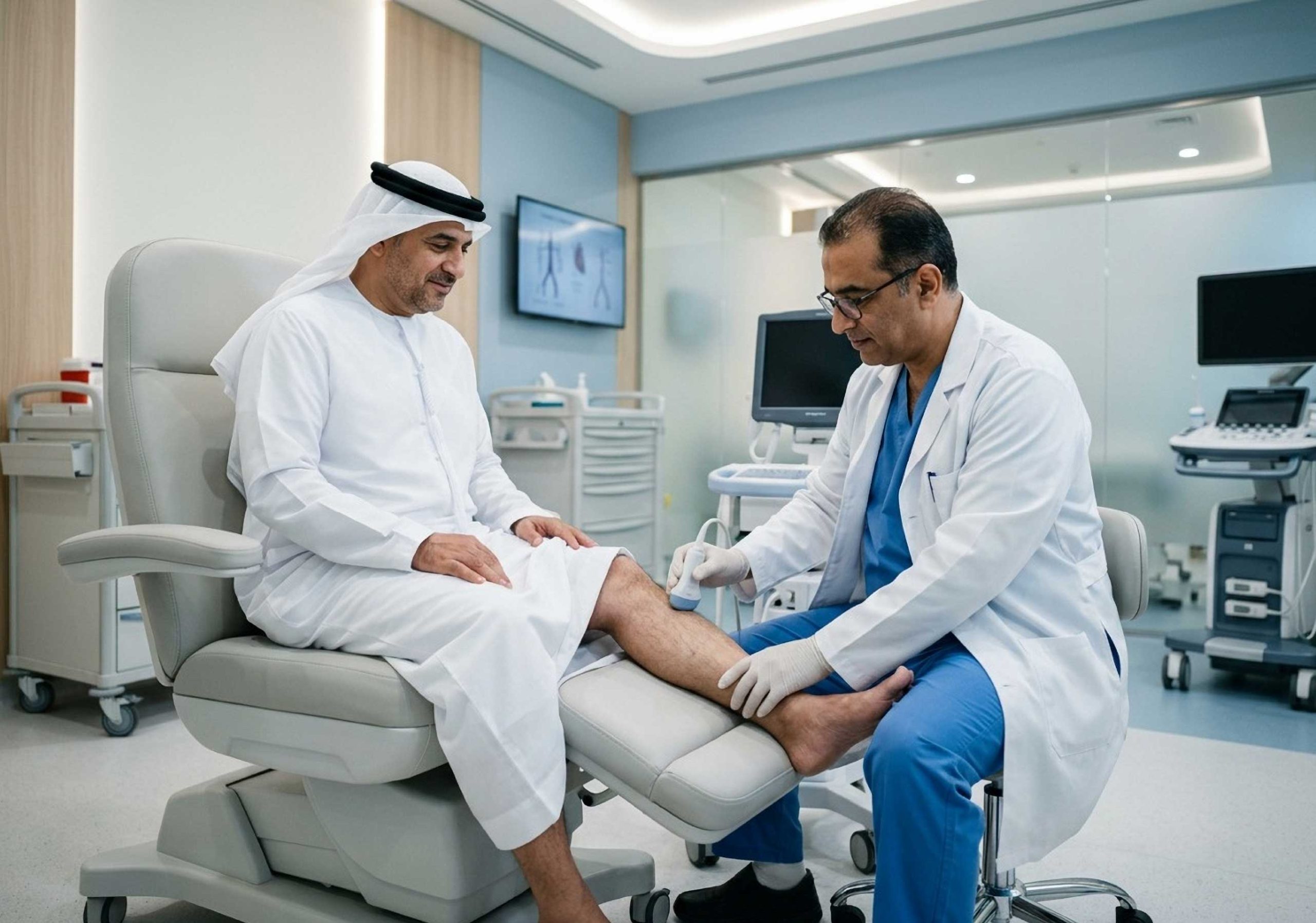
Many patients feel relieved when they learn that diagnosing vein problems is straightforward. Doctors usually begin with a duplex ultrasound, a painless imaging test that shows how blood flows through the veins and whether the valves are functioning properly. 

This test helps determine: 

  • Whether the veins are allowing blood to flow correctly 
  • If the valves are weakened 
  • Whether any clots are present 

Once the underlying cause is identified, the doctor can recommend the most appropriate treatment. 

“Why Do Some People Get Varicose Veins While Others Don’t?” 

Varicose veins can develop for several reasons, and often it is a combination of factors. 

Some of the most common include: 

  • Family history 
    If your parents or close relatives have varicose veins, you may be more likely to develop them. 
  • Long hours standing or sitting 
    Jobs that keep you on your feet or seated for long periods can slow circulation in the legs. 
  • Pregnancy 
    Hormonal changes and increased blood volume during pregnancy can put extra pressure on the veins. 
  • Age 
    Over time, vein valves naturally become less efficient. 
  • Excess body weight 
    Additional pressure on the legs can strain the veins. 
  • Limited physical activity 
    Movement helps blood circulate. A sedentary lifestyle can contribute to poor venous circulation. 

The Good News: Modern Treatments Are Highly Effective 

For many people, hearing the word “vein treatment” suggests surgery and long recovery periods. Fortunately, that is no longer the case. 

Today, most treatments for varicose veins are minimally invasive procedures performed in outpatient clinics, allowing patients to return home the same day. 

Lifestyle Changes That Can Help 

In the early stages, small lifestyle adjustments can significantly reduce symptoms: 

  • Regular walking or gentle exercise 
  • Elevating the legs when resting 
  • Avoiding long periods of standing or sitting 
  • Maintaining a healthy weight 
  • Wearing compression stockings recommended by your doctor 

These steps help improve circulation and relieve discomfort. 

Varicose Veins Treatments

Endovenous Laser Treatment (EVLT) 

One of the most widely used modern treatments involves inserting a thin laser fiber into the affected vein. The heat from the laser gently seals the vein closed, allowing blood to flow through healthier veins instead. 

Patients appreciate that this treatment: 

  • Is minimally invasive 
  • Requires local or general anesthesia 
  • Allows quick recovery 
  • Has a very high success rate 

Radiofrequency Ablation (RFA) 

Another advanced treatment uses radiofrequency energy to close the damaged vein. 

Many patients prefer this option because it: 

  • Causes minimal discomfort 
  • Does not require surgical incisions 
  • Allows a quick return to daily activities 

Sclerotherapy 

For smaller veins or spider veins, doctors may inject a medical solution that causes the vein to gradually collapse and fade away. 

This treatment is commonly used for: 

  • Spider veins 
  • Smaller varicose veins 
  • Cosmetic improvements 

Microphlebectomy 

When larger veins are visible beneath the skin, they can sometimes be removed through very small incisions. The procedure leaves minimal scarring and is often combined with other treatments for the best results. 

Why Early Treatment Makes a Difference 

Many patients delay seeking help because they assume varicose veins are simply a cosmetic issue. But early treatment can make a significant difference. 

Addressing the problem sooner can help: 

  • Relieve leg pain and swelling 
  • Improve blood circulation 
  • Prevent blood clots 
  • Avoid skin complications or ulcers 
  • Restore comfort and confidence 

Most importantly, modern treatments allow patients to return to normal life quickly with minimal downtime. 

When Should You See a Vascular Surgeon? 

If you have been experiencing any of the following symptoms, it may be time to consult a vascular surgeon: 

  • Persistent leg heaviness or pain 
  • Swelling in the ankles or feet 
  • Visible, bulging veins on the legs 
  • Skin changes near the ankles 
  • Warm or painful veins 
  • Sudden swelling or redness that may suggest a clot 

Early diagnosis often leads to simpler treatments and better long-term outcomes. 

Taking the First Step Toward Healthier Legs 

If you have noticed changes in your legs whether it’s visible veins, discomfort, or swelling it’s important to listen to your body. 

Varicose veins are very common, and you are certainly not alone in experiencing them. The reassuring news is that modern vein care has advanced tremendously, and effective treatment options are available. 

Speaking with a Vascular Specialist or a Vascular Surgeon at Burjeel Hospital Abu Dhabi, can help you understand what is happening in your body and guide you toward the right solution so you can move forward with comfort, confidence, and healthier legs

Is It Stress or Menopause? Understanding the Changes in Your 40s

If you are in your late 30s or early 40s and something feels different, you are not imagining it. Periods that seem unpredictable, waking up drenched in sweat at 3 AM, mood swings that feel unlike you, or an exhaustion that no amount of rest can fix. Many women quietly ask themselves: Is this just stress, or is something actually changing?

The answer is more nuanced than a simple yes or no. While stress can certainly trigger physical and emotional symptoms, the changes many women experience in midlife are often early signals of perimenopause — the transitional phase leading up to menopause. Understanding the difference is not about alarming yourself. It is about awareness, and awareness leads to better care.

What Is Perimenopause — And Why Does It Start So Early?

One of the most common misconceptions about menopause is that it happens suddenly. The reality is that the transition can begin years, sometimes even a decade, before your periods stop entirely.

Perimenopause is the phase when hormone levels, particularly estrogen, begin to fluctuate. The body is slowly adjusting to the changes ahead. During this time, periods can become irregular — heavier or lighter, shorter or longer — and other symptoms begin to emerge.

A woman is only considered menopausal after 12 consecutive months without a period. But the experience of perimenopause can begin in the late 30s or early 40s, meaning many women are navigating these changes long before they reach that official milestone.

During perimenopause, hormonal shifts can affect:

  • Sleep quality and duration
  • Mood and emotional regulation
  • Memory and concentration
  • Energy levels
  • Bone strength
  • Heart health

This is why menopause is not simply a hormonal event. It is a whole-body transition, one that deserves medical attention, preventive care, and thoughtful management.

Common Menopause Symptoms You Should Not Ignore

The most important thing to understand about menopause symptoms is that they are not all dramatic. Many women dismiss early signs because they develop gradually and can seem unrelated to each other. Here is what to watch for:

Irregular or Unpredictable Periods

Your cycle may become shorter or longer, heavier or lighter. You might skip a month entirely, only for your period to return unexpectedly the next. This irregularity is often one of the earliest and most consistent markers of perimenopause.

Hot Flashes and Night Sweats

Hot flashes are among the most reported menopause symptoms. A sudden wave of intense heat, flushing, and sweating can arrive without warning — often worse at night, when they disrupt sleep and leave you exhausted the next day.

Persistent Fatigue

This is not the tiredness that follows a busy week. It is a constant, underlying exhaustion that does not lift even after rest. It is directly linked to hormonal changes during menopause and can make daily responsibilities feel disproportionately demanding.

Sleep Difficulties

Whether caused by hot flashes, hormonal changes, or general restlessness, difficulty sleeping through the night is a common complaint. Poor sleep compounds every other symptom, making mood, concentration, and energy levels significantly worse.

Mood Changes and Anxiety

Hormonal fluctuations can lead to mood swings that feel unfamiliar and disproportionate to the situation. Some women experience increased anxiety, irritability, or a low mood that persists without obvious cause. These emotional changes are physiological, not psychological weaknesses.

Brain Fog and Forgetfulness

Struggling to concentrate, forgetting things you normally would not, or feeling mentally cloudy are all commonly reported during perimenopause. While frustrating, this cognitive shift is a recognised symptom of hormonal change.

Other Symptoms to Be Aware Of

  • Loss of motivation or social withdrawal
  • Joint pain or general body aches
  • Changes in skin, hair, or nails
  • Weight gain, especially around the abdomen
  • Headaches or migraines that are new or worsening

Stress vs. Menopause: How to Tell the Difference

Because stress and perimenopause share many symptoms, it is easy to misattribute what you are experiencing. The comparison below can help you identify which is more likely at play:

SymptomStressPerimenopause / Menopause
DurationComes and goes with stressorsPersistent over weeks or months
PeriodsUsually unaffectedIrregular or absent
Hot FlashesRare or anxiety-triggeredSpontaneous, especially at night
Sleep IssuesRelated to worry or overthinkingHot flashes, night sweats, hormonal
Mood ChangesTied to specific eventsUnpredictable and hormone-driven
PatternPredictable triggersGradual onset, worsening trend
The clearest signal? If your periods are changing alongside multiple symptoms from the list above — and those symptoms persist regardless of what is happening in your life — perimenopause is likely a significant factor.

How Menopause Affects Your Everyday Life

Menopause symptoms rarely stay confined to the body. Their effects ripple outward into almost every area of daily life:

At Work

Brain fog, poor sleep, and fatigue reduce concentration and productivity. Tasks that once felt routine become harder to manage. Confidence at work can wane when cognitive symptoms are at their worst.

In Relationships

Mood changes can be difficult for partners and family members to understand. Social withdrawal becomes tempting when energy is low. Intimacy can also be affected by the physical and emotional impact of hormonal shifts.

On Your Health Habits

Fatigue and joint pain make physical activity feel harder to maintain. Yet exercise is one of the most effective tools for managing both symptoms and long-term health risks during this transition.

The Long-Term Health Risks of Unmanaged Menopause

Menopause management is about far more than symptom relief. Left unaddressed, the hormonal changes that occur during this transition increase vulnerability to several serious health conditions:

Key long-term risks include:

  • Bone loss and osteoporosis — declining estrogen accelerates loss of bone density, raising the risk of fractures
  • Heart disease — menopause is a significant risk factor for cardiovascular health
  • Metabolic changes — shifts in how the body processes fat and sugar can lead to weight gain and altered blood sugar levels
  • Joint pain and reduced mobility — affecting quality of life and activity levels

Addressing menopause symptoms early, rather than waiting for them to worsen, is one of the most effective ways to protect long-term wellbeing. Menopause care is not a one-time intervention. It is an ongoing process focused on maintaining strength, independence, and quality of life through midlife and beyond.

What Good Menopause Care Actually Looks Like

Comprehensive menopause management is not simply about prescribing medication. It is about building a personalised plan that reflects each woman’s unique experience, medical history, and goals.

Effective menopause care typically includes:

  • Symptom assessment and management — targeted relief from hot flashes, sleep disruption, and mood changes
  • Bone health protection — preventive strategies to support bone density before significant loss occurs
  • Cardiovascular monitoring — addressing risk factors early, when intervention is most effective
  • Metabolic support — guidance on nutrition, weight, and energy management
  • Mental wellbeing — recognizing and supporting emotional health as part of the whole picture
  • Lifestyle optimization — tailored advice on sleep, movement, and nutrition
  • Long-term planning — establishing a care framework that adapts as needs evolve

The right approach depends entirely on the individual. A specialist in menopause and midlife health will listen carefully, run appropriate assessments, and build a plan that reflects who you are and what you need, not a standard template.

Expert Menopause Care at Burjeel Reem

Burjeel Day Surgery Center – Reem Island Menopause & Midlife Health Clinic Led by Dr. Monica Singh Chauhan, Consultant in Gynaecology Care built on one simple principle: there is no one-size-fits-all solution.

At Burjeel Reem, the Menopause & Midlife Health Clinic is built around the understanding that every woman’s experience of this transition is unique. Each patient receives an individualized care plan shaped by her symptoms, medical history, lifestyle, and long-term health goals.

Dr. Monica Singh Chauhan brings clinical expertise and a patient-centered approach to midlife women’s health. Her focus is on listening, educating, and providing continuous support — so that every woman she works with feels informed, prepared, and confident about the decisions she makes for her health.

Personalized care plans at Burjeel Reem are shaped by:

  • Your specific symptoms and how they affect daily life
  • Your medical history and family health background
  • Your current lifestyle and wellbeing priorities
  • Your personal goals for this stage of life

Ready to Take the Next Step?

If you recognize these symptoms in yourself, you do not have to wait for them to worsen. Early consultation with a menopause specialist gives you the insight, support, and care plan you need to navigate this transition confidently. Book your appointment at Menopause and Midlife Health Clinic, Burjeel Reem today and take the first step toward long-term wellbeing.

Frequently Asked Questions

1: At what age does perimenopause typically start?

A: Perimenopause usually begins in the late 30s or early 40s, though some women notice changes earlier. The transition can last between four and ten years before menopause is reached.

2: Can my symptoms really be menopause if my periods have not stopped?

A: Yes. Perimenopause begins well before periods cease. Irregular cycles alongside symptoms like hot flashes, fatigue, and mood changes are common during this phase.

3: Is menopause treatment only for severe symptoms?

A: No. Even mild symptoms benefit from early attention, and preventive care during perimenopause can significantly reduce long-term health risks, regardless of symptom severity.

4: How is a personalized menopause care plan developed?

A: A specialist will assess your symptoms, review your medical history, and consider your lifestyle and goals before recommending a tailored approach — which may include lifestyle adjustments, medical treatment, or a combination of both.

5: Is menopause a one-time treatment or an ongoing process?

A: Menopause management is an ongoing process. As your body changes over time, your care plan will evolve with you — focused on maintaining your health, strength, and quality of life.

Understanding Hormone Replacement Therapy – Myths vs Facts 

What is Hormone Replacement Therapy (HRT)

Hormone Replacement Therapy (HRT) is one of the most discussed aspects of menopause care. It is also one of the most misunderstood. 

HRT is not a cure. It is a medically guided menopause treatment option that may be recommended after careful evaluation of symptoms, medical history, and individual health risks. 

For many women, HRT can: 

  • Reduce hot flashes  
  • Improve sleep  
  • Support mood stability  
  • Protect bone health  
  • Enhance overall quality of life  

The decision to start or stop HRT is always personal. It should be guided by a qualified menopause specialist or gynecologist, based on each woman’s health needs and preferences. 

Menopause Care Explained | Step by Step 

One of the most reassuring aspects of menopause care is its structure. The process is designed to be clear, supportive, and personalized. 

At the Menopause & Midlife Health Clinic, care typically begins with: 

  • A detailed health questionnaire to assess menopause symptoms and risks  
  • A consultation with a gynecologist experienced in menopause and perimenopause care  
  • A personalized treatment plan using hormonal or non-hormonal options  
  • Regular follow-ups every three to six months  

These follow-ups are essential. They allow doctors to monitor progress, adjust treatment, and focus on long-term health goals. 

This structured approach ensures that menopause care evolves as a woman’s needs change over time. 

Who Should Consider Menopause and Midlife Care? 

Menopause care is not limited to a specific stage of life. Many women begin noticing changes in their bodies — shifts in sleep, mood, energy, or menstrual patterns — long before they expect them. 

You may benefit from menopause and midlife care if you are: 

  • In your late 30s experiencing early symptoms or changes in your cycle  
  • A woman aged 40 or above noticing new physical or emotional shifts  
  • Experiencing early or premature menopause  
  • Recovering from cancer treatment or ovarian surgery  
  • Several years beyond menopause and concerned about long-term health  
  • Looking to take a preventive approach to your wellbeing  

If these changes are starting to affect your daily life, even in small ways, seeking medical guidance from a trusted menopause clinic can bring clarity, reassurance, and the right support moving forward. 

Women’s Healthcare at Burjeel Reem 

Dr. Monica Singh Chauhan, Consultant in Gynecology, focuses on guiding women through midlife changes with clinical expertise, patience, and long-term care. Her approach emphasizes listening, education, and continuous support, helping women feel informed and confident about their health decisions. 

A New Chapter in Women’s Health Begins With Understanding 

Midlife is not the end of vitality. It is the beginning of a new phase of awareness. 

When women understand what their bodies are experiencing, they can take control of their health with confidence. They can sleep better, feel stronger, and plan for the years ahead with clarity. 

Menopause is a transition, not a decline. And with the right medical care, it can be a time of renewal. 

If you are noticing changes in your body or wondering whether your symptoms are part of menopause, seeking professional guidance is the first step toward reassurance. 

Book an appointment at Burjeel Day Surgery Center Al Reem Island to explore personalized menopause care and consultation with a menopause specialist, and take the next step toward long-term wellbeing. 

Complete Guide to PCOS Management & Treatment Options

Expert gynecologic care for PCOS symptoms, hormonal balance, and fertility support — right here in Abu Dhabi. 

Polycystic Ovary Syndrome (PCOS) affects an estimated 1 in 10 women of reproductive age globally — and the UAE is no exception. For many women, PCOS brings a complex mix of challenges: irregular cycles, unwanted hair growth, weight gain, and, for those planning a family, concerns about fertility treatments and conception. The good news is that with the right medical support, PCOS is very manageable — and pregnancy is achievable. At Burjeel Medical Centre, Al Marina, our Department of Obstetrics and Gynecology provides comprehensive, evidence-based care for every stage of your PCOS journey. 

Understanding PCOS Symptoms 

PCOS is a hormonal disorder characterized by elevated androgens (male hormones), irregular or absent ovulation, and small fluid-filled follicles on the ovaries. While each woman’s experience is unique, common PCOS symptoms include: 

✦ Irregular or missed periods ✦ Excess facial or body hair (hirsutism) 
✦ Acne and oily skin ✦ Thinning hair or scalp hair loss 
✦ Unexplained weight gain ✦ Difficulty conceiving 
✦ Mood changes and fatigue ✦ Darkening skin around the neck or groin 

Early diagnosis by a qualified gynecologist is essential. Untreated PCOS is associated with longer-term risks including Type 2 diabetes, cardiovascular disease, and endometrial cancer — making timely PCOS treatment in the UAE a priority for women’s health. 

How is PCOS Diagnosed? 

Diagnosis typically follows the Rotterdam Criteria, requiring at least two of three findings: irregular ovulation, elevated androgen levels, or polycystic ovaries on ultrasound. At Burjeel Medical Centre, Al Marina, our gynecologists use a combination of: 

  • Hormonal blood panels — FSH, LH, testosterone, AMH, insulin, and thyroid levels 
  • Pelvic ultrasound — to visualize ovarian morphology and follicle count 
  • Glucose and lipid profiling — to assess metabolic health and insulin resistance 

A personalized diagnosis forms the foundation of an effective PCOS management plan tailored to your symptoms and reproductive goals. 

PCOS Treatment Options at Burjeel 

There is no single cure for PCOS — but the right combination of treatments can dramatically reduce PCOS symptoms, restore ovulation, and significantly improve quality of life. Our expert team offers a full spectrum of PCOS treatments in Abu Dhabi: 

Treatment Purpose Key Details 
Lifestyle & Diet Modification First-line recommendation Weight management, anti-inflammatory diet, regular exercise 
Hormonal Therapy Menstrual regulation Oral contraceptives, progesterone, anti-androgens 
Ovulation Induction Fertility treatment for PCOS Letrozole, Clomiphene; monitored follicle tracking 
Metformin Insulin resistance management Improves hormone balance and ovulation frequency 
IUI (Intrauterine Insemination) Assisted reproduction Targeted sperm placement to improve conception chances 
Laparoscopic Ovarian Drilling Surgical option Minimally invasive; reduces androgen-producing tissue 

How to Get Pregnant with PCOS — Quickly and Safely 

One of the most common questions our specialists hear is: “How to get pregnant with PCOS quickly?” The answer lies in a structured, medically supervised approach. Here are the key steps we recommend: 

1. Optimize Your Weight First Even a 5–10% reduction in body weight can restore ovulation in women with PCOS. Our team provides tailored nutritional guidance alongside your treatment plan. 
2. Start with Ovulation Monitoring Timed intercourse with follicle-tracking ultrasounds maximizes your natural conception window before moving to assisted reproduction. 
3. Consider Ovulation Induction Letrozole or Clomiphene stimulates your ovaries to release eggs. This is often the first medical step for PCOS treatment for pregnancy. 
4. Explore IUI if Needed Intrauterine insemination (IUI) combined with ovulation induction significantly improves conception rates for PCOS patients. 

Can PCOS Be Cured Permanently? 

A frequent search query — “how to cure PCOS permanently” — reflects a deep desire for resolution. The honest answer: PCOS cannot be completely eliminated, but its symptoms can be fully controlled and, in many cases, put into long-term remission with the right management. 

Lifestyle interventions — particularly weight management, a low-glycemic diet, and regular physical activity — can normalize hormone levels and restore ovulation without medication for some women. For others, ongoing medical support from a skilled gynecologist ensures that PCOS remains well-managed throughout their reproductive years and beyond. 

🌿 LIFESTYLE TIP An anti-inflammatory, low-GI diet rich in whole grains, leafy vegetables, lean protein, and healthy fats has been shown to reduce insulin resistance — a core driver of PCOS symptoms — and can significantly improve hormonal balance over time. 

✦  YOUR FERTILITY JOURNEY STARTS HERE  ✦ 

Take Control of Your PCOS — And Your Future 

Whether you are newly diagnosed or have been managing PCOS for years, our expert gynecologists at Burjeel Medical Centre, Al Marina are here to help. From personalized PCOS treatment plans to advanced fertility treatments including IVF — we support every step of your journey. 

   📅 Book Your Consultation Today 

Fertility Clinic · Al Marina, Abu Dhabi  ·  Insurance Accepted  ·  Multilingual Team 

Frequently Asked Questions 

1: What is the best PCOS treatment in the UAE? 

The best PCOS treatment in the UAE depends on your symptoms and reproductive goals. First-line options include lifestyle modification, hormonal therapy, and insulin-sensitizing medications like Metformin. For women seeking pregnancy, ovulation induction with Letrozole, IUI, or IVF may be recommended. At Burjeel Medical Centre, Al Marina, our gynecologists design individualized PCOS treatment plans following comprehensive hormonal and metabolic assessment. 

2: How to get pregnant with PCOS quickly? 

The fastest path to pregnancy with PCOS involves a structured approach: first optimize weight and lifestyle, then begin ovulation monitoring and induction with medications like Letrozole. If these steps are unsuccessful after a few cycles, IUI or IVF may be recommended. Our fertility clinic at Al Marina offers all of these options with close monitoring at every stage to maximize your chances of a healthy pregnancy. 

3: Can PCOS be cured permanently? 

PCOS does not have a permanent cure, but its symptoms can be very effectively managed — and in some cases, lifestyle changes alone can restore normal ovulation and hormonal balance. Weight reduction, dietary changes, and regular exercise can put PCOS into long-term remissions. For women who require medical support, consistent treatment from a qualified gynecologist ensures symptoms remain controlled throughout their reproductive years. 

4: Is IVF the only option for getting pregnant with PCOS? 

No — IVF is not the only option. Many women with PCOS conceive successfully with less invasive approaches such as ovulation induction (Letrozole or Clomiphene) and IUI. IVF is typically recommended when other fertility treatments have not resulted in pregnancy, or when additional factors (such as partner infertility or blocked tubes) are present. Our fertility specialists at Burjeel Medical Centre, Al Marina will guide you through each option in order of invasiveness and suitability. 

5: What are the common symptoms of PCOS I should watch for? 

Common PCOS symptoms include irregular or absent periods, excess facial or body hair, acne, scalp hair thinning, unexplained weight gain, difficulty conceiving, fatigue, and darkened skin patches. If you experience several of these symptoms, it is important to consult a gynecologist promptly. Early diagnosis leads to better outcomes — both for your general health and for your fertility. 

6: What is PCOS treatment for pregnancy? 

PCOS treatment for pregnancy focuses on restoring regular ovulation so that conception can occur. This typically begins with lifestyle optimization, followed by ovulation induction medications such as Letrozole or Clomiphene. If these methods are unsuccessful, assisted reproduction techniques — including IUI and IVF — are considered. All PCOS fertility treatments at Burjeel Medical Centre, Al Marina are personalized and closely monitored by our gynecology and fertility specialists. 

Conclusion 

PCOS is a lifelong condition — but it is absolutely manageable. With the right combination of medical expertise, personalized care, and lifestyle support, women with PCOS can lead healthy lives and achieve their dream of motherhood. At Burjeel Medical Centre, Al Marina, our dedicated Department of Obstetrics and Gynecology offers the full spectrum of PCOS treatments and fertility treatments — from initial diagnosis to advanced solutions like IVF. Trust our fertility advises guiding you with evidence, empathy, and expertise. 

📅 Book Your Consultation Today

First Trimester Tips & Prenatal Care in the UAE

Expert gynecologic care for PCOS symptoms, hormonal balance, and fertility support — right here in Abu Dhabi.

Discovering you are pregnant is one of life’s most profound moments — and the first trimester sets the foundation for everything that follows. If you are navigating prenatal care in the UAE, knowing where to turn for trustworthy, compassionate support makes all the difference. At Burjeel Medical Centre, Al Marina, our dedicated Department of Obstetrics and Gynecology partners with expectant mothers from the very first weeks of pregnancy, offering evidence-based care tailored to life in Abu Dhabi. 

What Happens in the First Trimester? 

The first trimester spans weeks 1–12 and is a period of rapid development for your baby — major organs, the neural tube, and the heart begin to form. For the mother, this period often brings fatigue, morning sickness, breast tenderness, and heightened emotions. While these are normal signs of a healthy pregnancy, early medical supervision is essential to catch any complications before they escalate. 

In the UAE, the recommended approach is to schedule your first prenatal visit as soon as a home pregnancy test is positive — ideally before week 8. Early registration with a qualified OB/GYN ensures that critical baseline assessments are completed on time. 

Your First Prenatal Visit — What to Expect 

At Burjeel Medical Centre Al Marina, your first consultation with our obstetrics team includes a comprehensive review of your medical and family history, blood pressure and BMI assessment, blood tests (blood group, Rh factor, CBC, thyroid, and infectious disease screening), a urine analysis, and an early ultrasound to confirm gestational age and fetal heartbeat. 

🩺  Did you know? The UAE Ministry of Health recommends a minimum of 8 antenatal visits throughout pregnancy. Starting your prenatal care early in Abu Dhabi helps ensure every milestone is tracked — and every concern is addressed promptly. 

Key Prenatal Screening in the First Trimester 

Structured prenatal screening during the first trimester allows doctors to assess chromosomal conditions and other risk factors early. Our OB/GYN specialists at Burjeel Medical Centre, Al Marina offer: 

Screening Test Timing What It Detects 
Combined First Trimester Screen (CFTS) Weeks 11–14 Down syndrome, Trisomy 18/13 risk 
Nuchal Translucency (NT) Ultrasound Weeks 11–14 Chromosomal abnormalities 
Non-Invasive Prenatal Testing (NIPT) From week 10 Advanced chromosomal screening from maternal blood 
Serology and infectious diseases First visit Rubella, HIV, Hepatitis B, Syphillis 
Thyroid Function Test (TSH) First visit Thyroid imbalance affecting fetal development 

First Trimester Tips for Expectant Mothers 

Beyond clinical visits, daily habits during the first trimester meaningfully impact your pregnancy outcome. Here are expert-backed tips from our OB/GYN team: 

1. Start Folic Acid Early Take 400–800 mcg of folic acid daily from before conception through the first 12 weeks to prevent neural tube defects. 
2. Stay Hydrated in UAE Heat Abu Dhabi’s climate demands higher fluid intake. Aim for 8–10 glasses of water daily and avoid excessive time outdoors in peak heat. 
3. Eat Small, Frequent Meals Combat nausea and maintain blood sugar levels by eating every 2–3 hours. Opt for bland, easy-to-digest foods during the first weeks. 
4. Avoid Harmful Substances Eliminate alcohol, smoking, and unprescribed medications. Inform your doctor of all supplements and herbal remedies you are taking. 
5. Prioritize Rest & Sleep Fatigue is your body’s signal to slow down. Aim for 8 hours of sleep and incorporate short rest breaks during the day. 
6. Manage Emotional Health Hormonal shifts can amplify anxiety. Talk openly with your care team — Burjeel’s OB/GYN unit offers holistic emotional support throughout pregnancy. 

Gynecologic Treatment & Surgical Support If Needed 

Some pregnancies require additional medical intervention. From managing early pregnancy complications such as threatened miscarriage or ectopic pregnancy, to addressing pre-existing conditions like fibroids or ovarian cysts, our specialists are trained in advanced gynecologic treatment and surgery. The multidisciplinary team at Burjeel Medical Centre, Al Marina coordinates seamlessly — ensuring that if surgical care is required, it is delivered safely and with minimal disruption to your pregnancy journey. 

Start Your Prenatal Journey With Confidence 

Book your first trimester consultation with the expert Department of Obstetrics and Gynecology at Burjeel Medical Centre, Al Marina, Abu Dhabi — and receive personalised care every step of the way. 

  📅  Book an Appointment

Walk-ins welcome  ·  Multilingual staff  ·  Insurance accepted 

FAQs 

1: When should I start prenatal care in the UAE? 

It is recommended to schedule your first prenatal visit as soon as you confirm your pregnancy — ideally by week 6 to 8. Early prenatal care in the UAE allows your OB/GYN to establish baseline health markers, initiate essential prenatal screening, and provide guidance tailored to the local climate and lifestyle. Burjeel Medical Centre, Al Marina, accepts new obstetric patients from the first confirmed pregnancy. 

2: What prenatal screening tests are done in the first trimester in Abu Dhabi? 

Standard first trimester prenatal screening in Abu Dhabi includes the Combined First Trimester Screen (CFTS), Nuchal Translucency (NT) ultrasound between weeks 11 and 14, blood group and Rh factor testing, full blood count, thyroid function, and infectious disease panels. Advanced options like NIPT (Non-Invasive Prenatal Testing) are also available at Burjeel Medical Centre, Al Marina for high-resolution chromosomal risk assessment. 

3: Is it safe to exercise during the first trimester in the UAE heat? 

Light to moderate exercise such as walking, prenatal yoga, and swimming is generally safe during the first trimester for low-risk pregnancies. However, due to Abu Dhabi’s extreme temperatures, it is advisable to exercise indoors in air-conditioned spaces, stay well hydrated, and avoid activity during the hottest hours of the day. Always consult your OB/GYN before starting or continuing any exercise programme during pregnancy. 

4: What should I eat during the first trimester? 

A balanced diet rich in folate (leafy greens, lentils), iron (lean meat, legumes), calcium (dairy, fortified foods), and omega-3 fatty acids (fatty fish, walnuts) supports healthy fetal development. Avoid raw or undercooked meats, unpasteurised dairy, high-mercury fish, and excessive caffeine. If nausea is severe, our obstetrics team at Burjeel Medical Centre can recommend safe anti-nausea strategies and supplements tailored to your needs. 

5: Does Burjeel Medical Centre, Al Marina offer gynecologic surgery during pregnancy? 

Yes. Our Department of Obstetrics and Gynecology is equipped to manage pregnancy-related and pre-existing gynecologic conditions that may require surgical intervention, such as ovarian cysts, fibroids, or ectopic pregnancies. All gynecologic treatment and surgery decisions are made with a multidisciplinary approach, prioritizing the safety of both mother and baby. Our surgeons are experienced in minimally invasive techniques where applicable. 

6: How many prenatal visits are required in the UAE? 

The UAE Ministry of Health recommends at least 8 antenatal visits for a low-risk pregnancy. These visits are spaced across all three trimesters to monitor fetal growth, maternal health, and the progression of the pregnancy. For high-risk pregnancies, more frequent visits may be scheduled. At Burjeel Medical Centre, Al Marina, we create a personalized prenatal care plan based on your specific medical history and risk profile. 

Conclusion 

The first trimester is a time of wonder — and also of careful attention. Choosing the right obstetric partner in Abu Dhabi can shape not just a healthy pregnancy, but a confident, informed one. At Burjeel Medical Centre, Al Marina, our Department of Obstetrics and Gynecology brings together advanced prenatal screening, compassionate consultations, and world-class gynecologic treatment and surgery under one roof. Whether you are a first-time mother or expanding your family, our team is here to support every step of your prenatal care journey in the UAE

📅  Book an Appointment

Computer Vision Syndrome: Protection Tips for Professionals

Expert ophthalmology care for digital eye strain, CVS symptoms, and long-term screen health.

The average office professional in the UAE now spends upward of 8–10 hours daily in front of screens — laptops, tablets, smartphones, and monitors. While productivity soars, so does an often-overlooked occupational health concern: Computer Vision Syndrome (CVS). Also known as digital eye strain, CVS affects an estimated 50–90% of regular computer users worldwide. Left unaddressed, it can diminish visual performance, reduce workplace productivity, and lead to chronic discomfort. At Burjeel Medical Centre, Al Marina, our Department of Ophthalmology specialises in diagnosing and managing CVS with precision care tailored to the modern professional. 

What is Computer Vision Syndrome? 

Computer Vision Syndrome is a cluster of eye and vision-related problems that arise from prolonged use of digital screens. Unlike reading printed text, viewing a screen requires the eyes to constantly refocus, adjust for glare, and process lower-contrast images — tasks that place sustained demand on the visual system. Over time, these repetitive micro-adjustments fatigue the ocular muscles, disrupt the tear film, and overstimulate the optic pathways, leading to a range of uncomfortable — and in some cases, debilitating — symptoms. 

Recognising the Symptoms of Digital Eye Strain 

Eye strain in office workers often goes unrecognised because the symptoms can mimic general fatigue or headaches. Our expert Ophthalmologists at Burjeel Medical Centre, Al Marina advise watching for these key warning signs: 

◆  Blurred or double vision ◆  Persistent eye fatigue or soreness 
◆  Frequent headaches during screen use ◆  Dry, irritated, or watery eyes 
◆  Difficulty refocusing after screen time ◆  Increased sensitivity to light 
◆  Neck, shoulder, and upper back tension ◆  Burning or stinging sensation in the eyes 

If you regularly experience three or more of these symptoms at the end of your workday, a comprehensive eye assessment by one of our expert Ophthalmologists at Burjeel Medical Centre, Al Marina is strongly recommended. 

Why UAE Office Workers Face Higher Risk 

Several factors specific to the UAE workplace environment amplify the risk of computer vision syndrome for professionals: 

  • Extended screen hours — UAE professionals frequently work 10+ hour days across multiple devices 
  • High-brightness screens in low-light offices — extreme contrast increases ocular effort 
  • Air-conditioned environments — low humidity accelerates tear evaporation, worsening dry eye 
  • Poor workstation ergonomics — screens positioned too high, too low, or too close 
  • Infrequent blinking — screen users blink up to 66% less than normal, disrupting the tear film 
👁  CLINICAL INSIGHT A healthy blink rate is approximately 15–20 blinks per minute. Studies show this drops to just 5–7 blinks per minute during focused screen use — significantly increasing tear evaporation and digital eye strain in UAE office workers. 

CVS Protection Tips for Professionals 

The good news: digital eye strain is highly preventable with the right habits. Our ophthalmology team at Burjeel Medical Centre, Al Marina recommends these evidence-based CVS treatment tips for daily practice: 

  1. Follow the 20-20-20 Rule: Every 20 minutes, look at something 20 feet away for at least 20 seconds. This simple habit relaxes your ciliary muscles and significantly reduces screen-induced eye fatigue. 
  2. Optimize Your Screen Position: Position your monitor 50–70 cm from your eyes, with the top of the screen at or just below eye level. A slight downward viewing angle reduces eyelid aperture and minimizes tear evaporation. 
  3. Adjust Screen Settings: Reduce screen brightness to match your ambient light level. Increase font size to reduce squinting, and enable night mode or warm colour settings after sunset to reduce blue light exposure. 
  4. Use Preservative-Free Artificial Tears: Lubricating eye drops restore the tear film disrupted by infrequent blinking. Our ophthalmologists can recommend the right formulation based on your specific dry eye profile. 
  5. Invest in Anti-Reflective Computer Glasses: Prescription or non-prescription lenses with anti-reflective and blue-light-filtering coatings are a frontline solution for eye strain in office workers. Our optometry team at Burjeel can provide a bespoke prescription.
  6. Control Your Environment: Reposition your screen to avoid window glare or overhead light reflections. Use a humidifier to counteract the drying effects of air conditioning — a key factor for UAE professionals. 

CVS Treatment Options at Burjeel Medical Centre 

When self-care measures are insufficient, our expert Ophthalmologists at Burjeel Medical Centre, Al Marina offer a comprehensive range of clinical CVS treatment options: 

CVS Treatment Purpose Details 
Prescription Eyewear Corrective lenses Anti-reflective, blue-light-filter or computer glasses prescribed to your exact screen distance 
Artificial Tear Therapy Dry eye relief Lubricating drops and gels to restore the tear film disrupted by reduced blinking 
Blue Light Management Glare & HEV reduction Specialised lens coatings and screen filter recommendations from our ophthalmologists 
Ergonomic Assessment Workstation optimisation Guidance on screen distance, height, ambient lighting, and tilt to minimise strain 
Vision Therapy Binocular & focus training Structured exercises to improve vergence, accommodation, and eye coordination 
Punctal Plugs Severe dry eye cases Minimally invasive procedure to retain natural tears on the ocular surface 
Meibomian Gland Treatment Evaporative dry eye Warm compress protocols and in-clinic expression to restore lipid tear layer 

✦  PROTECT YOUR VISION — BOOK TODAY  ✦ 

Don’t Let Screens Compromise Your Sight 

If you are experiencing digital eye strain, blurred vision, or persistent headaches after screen time, our expert Ophthalmologists at Burjeel Medical Centre, Al Marina are ready to help. Book a comprehensive eye health assessment and get a personalised CVS treatment plan today. 

Department of Ophthalmology, Al Marina, Abu Dhabi

Frequently Asked Questions 

1: What is Computer Vision Syndrome and how is it diagnosed? 

Computer Vision Syndrome (CVS) is a group of eye and vision problems caused by prolonged digital screen use. Symptoms include eye fatigue, blurred vision, dry eyes, headaches, and neck tension. Diagnosis is made by an expert Ophthalmologist through a comprehensive eye examination including visual acuity tests, refraction assessment, tear film evaluation, and a review of screen usage habits. At Burjeel Medical Centre, Al Marina, our Department of Ophthalmology uses advanced diagnostic tools to assess each patient’s unique CVS profile. 

2: How do I relieve digital eye strain at work? 

The most effective immediate relief strategies for digital eye strain include the 20-20-20 rule (every 20 minutes, look 20 feet away for 20 seconds), using lubricating eye drops, reducing screen brightness, and adjusting your screen distance to 50–70 cm. For lasting relief, a clinical assessment by an Ophthalmologist is recommended to rule out underlying refractive errors and to receive personalized CVS treatment tips tailored to your work environment. 

3: Are computer glasses effective for eye strain in office workers? 

Yes — specialised computer glasses with anti-reflective and blue-light-filtering coatings are clinically shown to reduce eye strain in office workers by minimising glare, improving contrast, and reducing high-energy visible (HEV) blue light exposure. At Burjeel Medical Centre, Al Marina, our Ophthalmologists and optometrists can assess whether you require a specific computer-distance prescription and recommend the most appropriate lens technology for your needs. 

4: Can computer vision syndrome cause permanent eye damage? 

CVS itself does not cause permanent structural damage to the eyes, but the discomfort and visual disruption it causes can significantly impair quality of life and work performance. However, untreated dry eye — a core component of CVS — can lead to corneal surface damage over time. It is therefore important to seek timely CVS treatment from an expert Ophthalmologist rather than assuming symptoms will resolve on their own. 

5: How often should I have my eyes checked if I work on screens all day? 

Screen-intensive professionals should have a comprehensive eye examination at least once a year, or more frequently if symptoms are present. Regular check-ups at our Department of Ophthalmology, Burjeel Medical Centre, Al Marina, ensure that refractive errors are corrected, dry eye is managed, and any changes in your visual system are detected early — all of which directly reduce your risk of developing chronic computer vision syndrome. 

6: What CVS treatments does Burjeel Medical Centre, Al Marina offer? 

Our Department of Ophthalmology offers a full spectrum of CVS treatments including prescription computer eyewear, artificial tear therapy, blue light management protocols, ergonomic workstation assessments, vision therapy, punctal plugs for severe dry eye, and meibomian gland treatment for evaporative dry eye. All treatment plans are personalised following a detailed consultation with one of our expert Ophthalmologists. 

Conclusion 

In today’s screen-saturated work environment, computer vision syndrome is one of the fastest-growing occupational health concerns in the UAE. But with the right habits and the right medical team behind you, digital eye strain is entirely preventable and treatable. At Burjeel Medical Centre, Al Marina, our Department of Ophthalmology combines advanced diagnostics with personalized CVS treatment plans — helping professionals in Abu Dhabi work comfortably, productively, and with lasting eye health. 

   👁  Schedule Your Eye Consultation    

Gut Microbiome Health: Boosting Digestion for GCC Lifestyles

In today’s fast-paced GCC lifestyle — marked by long working hours, irregular eating habits, and extreme climate conditions — maintaining optimal gut microbiome health has become more important than ever. 

Your gut is home to trillions of microorganisms that play a critical role in digestion, immunity, metabolism, and overall health. When this delicate balance is disrupted, it can lead to digestive discomfort, fatigue, and long-term health concerns. 

At Burjeel Medical Centre, Al Marina, our specialists focus on improving gut health and digestive balance through personalized care, nutrition guidance, and evidence-based treatments tailored to the GCC environment. 

What is the Gut Microbiome? 

The gut microbiome refers to the community of bacteria, fungi, and other microorganisms living in your digestive tract. These microbes are essential for: 

  • Breaking down food and absorbing nutrients  
  • Supporting immune system function  
  • Producing essential vitamins  
  • Maintaining metabolic balance  

A healthy gut microbiome ensures smooth digestive system health, while an imbalance — known as dysbiosis — can lead to bloating, indigestion, and other gastrointestinal issues. 

How the Gut Microbiome Affects Digestion 

The relationship between the microbiome and digestion is fundamental. Healthy gut bacteria help process food efficiently, regulate bowel movements, and reduce inflammation. 

When gut bacteria are imbalanced, you may experience: 

  • Bloating and abdominal discomfort  
  • Irregular bowel movements  
  • Food intolerance and digestion issues  
  • Reduced nutrient absorption  

👉 This highlights the importance of maintaining healthy gut bacteria to improve digestion naturally

Why Gut Health Matters in GCC Lifestyles 

Residents in the GCC face unique lifestyle factors that impact gut microbiome health

1. High Temperatures and Hydration 

Extreme heat increases the risk of dehydration, directly affecting hydration and digestion

2. Dietary Patterns 

Frequent consumption of processed foods, high-fat meals, and low fiber intake can disrupt microbiota diversity

3. Sedentary Lifestyle 

Long working hours and limited physical activity slow digestion and affect metabolism. 

4. Stress and Sleep Patterns 

Stress plays a major role in the gut-brain axis, influencing digestion and overall gut health and immunity

👉 Understanding how lifestyle affects gut microbiome is key to maintaining long-term digestive wellness. 

Best Foods for Gut Microbiome Health 

A balanced gut health diet supports microbial diversity and digestive efficiency. 

Foods That Improve Gut Bacteria Balance 

  • Fiber-rich foods (whole grains, fruits, vegetables)  
  • Fermented foods (yogurt, kefir, kimchi)  
  • Prebiotics (garlic, onions, bananas)  
  • Lean proteins  
  • Healthy fats (olive oil, nuts)  

Probiotics and Gut Health 

Probiotics are beneficial bacteria that help restore balance in the gut. Including probiotics for gut health can enhance digestion and reduce inflammation. 

👉 A well-planned gut microbiome diet plan for daily routine improves both digestion and immunity. 

Gut Health Tips for GCC Lifestyle 

Maintaining healthy digestion habits in the GCC requires conscious lifestyle adjustments. 

Practical Digestion Improvement Tips 

  • Stay hydrated throughout the day  
  • Eat balanced meals at regular intervals  
  • Reduce processed and high-sugar foods  
  • Include fiber-rich foods in your diet  
  • Manage stress through relaxation techniques  
  • Get adequate sleep  

👉 These simple strategies help boost digestion naturally and maintain digestive balance

How to Improve Gut Health Naturally 

Many patients ask: “How to improve gut microbiome naturally?” 

The answer lies in combining diet, lifestyle, and medical guidance: 

  • Follow a structured gut health plan for Middle Eastern diet  
  • Incorporate fermented foods regularly  
  • Use probiotics when recommended  
  • Avoid unnecessary antibiotics  
  • Maintain physical activity  

👉 A consistent approach is key to achieving long-term gut health benefits

Signs of Poor Gut Health 

Recognizing early signs can help prevent long-term complications. 

Common symptoms include: 

  • Frequent bloating or gas  
  • Constipation or diarrhea  
  • Fatigue or low energy  
  • Food sensitivities  
  • Weakened immunity  

👉 Early intervention and proper IBS and digestive disorder management can restore gut balance effectively. 

🔹 SUPPORT YOUR DIGESTIVE HEALTH TODAY 🔹 

Personalized Gut Health Care at Al Marina 

At Burjeel Medical Centre, Al Marina, our gastroenterology specialists provide comprehensive evaluation and tailored gut health management plans — focusing on nutrition, lifestyle, and advanced medical care. 

Gastroenterology Department, Al Marina, Abu Dhabi

Frequently Asked Questions 

1. What is the gut microbiome? 

The gut microbiome is a collection of microorganisms in the digestive system that support digestion, immunity, and overall health. 

2. How does the gut microbiome affect digestion? 

It helps break down food, absorb nutrients, and regulate bowel movements. Imbalance can lead to digestive issues. 

3. How can I improve my gut health naturally? 

Improve gut health by eating a balanced diet, staying hydrated, managing stress, and including probiotics and fiber-rich foods. 

4. What foods are best for gut microbiome health? 

Fiber-rich foods, fermented foods, prebiotics, and lean proteins are ideal for maintaining healthy gut bacteria. 

5. How does lifestyle impact gut health? 

Diet, hydration, stress, sleep, and physical activity all influence the gut microbiome and digestion. 

6. Can probiotics improve digestion? 

Yes, probiotics help restore beneficial bacteria, improving digestion and reducing symptoms like bloating. 

7. What are signs of poor gut health? 

Signs include bloating, irregular bowel movements, fatigue, and food intolerance. 

Conclusion 

Your gut is the foundation of your overall health. By understanding gut microbiome health and adopting the right diet and lifestyle habits, you can significantly improve digestion and well-being. 

At Burjeel Medical Centre, Al Marina, our expert team is dedicated to helping you achieve optimal digestive health through personalized, evidence-based care tailored to your lifestyle in the GCC.

📅 Book Your Consultation Today

LASIK vs ICL Surgery: Recovery Time, Benefits and Best Option for Your Eyes

Advanced vision correction options at Burjeel Medical Centre, Al Marina 

Clear vision can transform your daily life — from reducing dependency on glasses to improving overall confidence. Today, two of the most effective vision correction surgery options are LASIK and Implantable Collamer Lens (ICL). But when comparing LASIK vs ICL surgery, patients often ask: Which is better? What about recovery time? 

At Burjeel Medical Centre, Al Marina, our ophthalmology specialists provide personalized guidance to help you choose the best vision correction surgery for your eyes. 

Understanding LASIK and ICL 

Both procedures are designed for refractive error correction, including myopia, hyperopia, and astigmatism — but they work differently. 

LASIK (Laser-Assisted In Situ Keratomileusis) 

LASIK reshapes the cornea using a laser to improve how light enters the eye. It is one of the most widely performed laser vision correction procedures. 

ICL (Implantable Collamer Lens) 

ICL involves placing a biocompatible lens inside the eye without altering the cornea. It is often recommended for patients with thin corneas or high myopia

Understanding the difference between LASIK and ICL is essential when choosing the right treatment. 

LASIK vs ICL Recovery Time 

One of the most searched concerns is LASIK vs ICL recovery time — and the difference is significant. 

LASIK Recovery 

  • Vision improves within 24–48 hours  
  • Minimal discomfort  
  • Most patients resume normal activities in 1–2 days  

ICL Recovery 

  • Slightly longer recovery (3–7 days for initial healing)  
  • Vision stabilizes over a few weeks  
  • Requires more follow-up monitoring  

👉 Which has faster recovery — LASIK or ICL? 
LASIK generally offers quicker visual recovery, making it ideal for those seeking rapid results. 

LASIK vs ICL Benefits 

When comparing LASIK vs ICL benefits, both procedures offer excellent outcomes — but suit different patients. 

LASIK Surgery Benefits 

  • Quick recovery and minimal downtime  
  • Proven long-term results  
  • No implanted device  
  • Ideal for mild to moderate refractive errors  

ICL Eye Surgery Benefits 

  • Suitable for thin corneas  
  • Better for high myopia cases  
  • Reversible procedure  
  • Preserves corneal structure  

A detailed LASIK vs ICL eye surgery comparison helps determine which option aligns with your eye condition and lifestyle. 

LASIK vs ICL: Pros, Cons, and Risks 

LASIK Pros 

✔ Fast recovery 
✔ Widely available 
✔ Cost-effective 

LASIK Cons 

✖ Not suitable for thin corneas 
✖ Permanent corneal reshaping 

ICL Pros 

✔ Suitable for complex prescriptions 
✔ Reversible and removable 
✔ Excellent night vision quality 

ICL Cons 

✖ Slightly longer recovery 
✖ Higher cost 
✖ Involves intraocular procedure 

Understanding LASIK vs ICL side effects and risks is crucial before making a decision. 

Which Is Better: LASIK or ICL? 

The answer depends on your individual eye profile. 

  • Choose LASIK if: 
    You have adequate corneal thickness and want faster recovery  
  • Choose ICL if: 
    You have thin corneas, severe myopia, or are not a LASIK candidate  

👉 Many patients ask: “Can I choose ICL instead of LASIK?” 
Yes — especially if LASIK is not suitable based on corneal thickness suitability or prescription. 

🔹 YOUR VISION CORRECTION JOURNEY STARTS HERE  

Find the Best Option for Your Eyes 

At Burjeel Medical Centre, Al Marina, we offer advanced ophthalmology procedures with personalized assessments to determine whether LASIK or ICL is the best option for you

Our specialists use advanced diagnostics to evaluate your eye health, ensuring safe and effective outcomes. 

Department of Ophthalmology, Al Marina, Abu Dhabi

Frequently Asked Questions 

1. What is the difference between LASIK and ICL? 

LASIK reshapes the cornea using a laser, while ICL places an implantable lens inside the eye. Both correct vision, but suitability depends on corneal thickness and prescription. 

2. Which has faster recovery — LASIK or ICL? 

LASIK typically has faster recovery, with most patients seeing clearly within 1–2 days, while ICL recovery may take a few days longer. 

3. Is LASIK permanent or better than ICL? 

LASIK offers permanent corneal reshaping, but ICL may be better for patients with high myopia or thin corneas. 

4. Who should not get LASIK? 

Patients with thin corneas, severe dry eyes, or very high refractive errors may not be ideal candidates for LASIK. 

5. Is ICL surgery painful? 

ICL surgery is generally painless and performed under local anesthesia, with minimal discomfort during recovery. 

6. How safe is ICL compared to LASIK? 

Both procedures are safe when performed by experienced specialists. ICL is often preferred in complex cases due to its reversible nature. 

Conclusion 

Choosing between LASIK vs ICL surgery depends on multiple factors — including your eye condition, lifestyle, and expectations. Both procedures deliver excellent long-term vision correction results, but the right choice comes from expert evaluation. 

At Burjeel Medical Centre, Al Marina, our ophthalmology team is committed to helping you achieve clearer vision with the safest and most effective approach — tailored specifically for you.

📅 Book Your Consultation Today 

IBS Symptoms, Causes, and Diet Plan: A Complete Guide

Digestive discomfort is more common than many realize — but when symptoms become persistent, they may point to Irritable Bowel Syndrome (IBS). Affecting millions worldwide, IBS is a functional gastrointestinal disorder that can significantly impact daily life. 

Understanding IBS symptoms, causes, and diet management is key to improving gut health and overall well-being. At Burjeel Medical Centre, Al Marina, our specialists provide personalized care plans to help you manage IBS effectively and regain control of your digestive health. 

What is IBS? 

Irritable Bowel Syndrome (IBS) is a chronic condition affecting the digestive system, particularly the large intestine. Unlike structural gastrointestinal disorders, IBS does not cause visible damage — but it leads to recurring bowel movement issues, bloating, and abdominal discomfort

IBS is often linked to the gut-brain connection, where stress and emotional health influence digestive function. While IBS is not life-threatening, it requires structured IBS management to reduce symptoms and improve quality of life. 

IBS Symptoms 

Recognizing IBS symptoms early can help in timely diagnosis and treatment. Symptoms vary from person to person but commonly include: 

  • Abdominal pain or cramping  
  • Bloating and excessive gas  
  • Diarrhea, constipation, or alternating patterns  
  • Mucus in stool  
  • Feeling of incomplete bowel movement  
  • Urgency or difficulty passing stool  

👉 These irritable bowel syndrome symptoms often worsen after meals or during periods of stress. 

If you experience recurring symptoms, a clinical evaluation is essential for accurate IBS diagnosis and symptoms management

IBS Causes and Triggers 

The exact IBS causes are not fully understood, but several factors contribute to the condition: 

1. Gut-Brain Interaction 

The gut-brain connection plays a significant role. Stress and anxiety can disrupt normal bowel function. 

2. Food Intolerance 

Certain foods can trigger IBS symptoms, highlighting the importance of identifying IBS triggers

3. Abnormal Gut Motility 

Irregular muscle contractions in the intestines may cause diarrhea or constipation. 

4. Gut Microbiome Imbalance 

Changes in gut bacteria affect digestion and sensitivity. 

5. Hormonal Changes 

IBS is more common in women, often influenced by hormonal fluctuations. 

👉 Understanding irritable bowel syndrome causes helps in creating effective IBS treatment and diet management strategies

IBS Diet Plan: What to Eat and Avoid

Diet plays a crucial role in IBS management. A well-structured IBS diet plan can significantly reduce symptoms. 

Foods to Eat (IBS-Friendly Diet) 

  • Low FODMAP foods (rice, oats, bananas)  
  • Lean proteins (chicken, fish, eggs)  
  • Cooked vegetables (carrots, spinach)  
  • Probiotic-rich foods (yogurt, kefir)  
  • Adequate fiber (for constipation-dominant IBS)  

Foods to Avoid with IBS 

  • High FODMAP foods (onions, garlic, beans)  
  • Dairy (for lactose intolerance)  
  • Fried and fatty foods  
  • Caffeine and carbonated drinks  
  • Artificial sweeteners  

👉 A low FODMAP diet is often recommended as part of IBS diet management, helping reduce bloating and discomfort. 

Best Diet Plan for IBS Patients 

Creating the best diet plan for IBS patients involves personalization. There is no one-size-fits-all approach. 

Key Dietary Strategies 

  • Eat smaller, frequent meals  
  • Stay hydrated  
  • Gradually increase fiber intake  
  • Keep a food diary to identify triggers  
  • Include probiotics for gut health  

👉 An effective IBS meal plan for better digestion focuses on consistency, balance, and avoiding trigger foods. 

IBS Treatment and Relief Methods 

While IBS cannot be permanently cured, symptoms can be effectively managed with the right approach. 

IBS Treatment Options 

  • Dietary modifications  
  • Stress management techniques  
  • Medications for symptom relief  
  • Probiotics and supplements  
  • Lifestyle changes  

Natural IBS Relief Methods 

  • Regular exercise  
  • Mindfulness and relaxation techniques  
  • Adequate sleep  
  • Avoiding trigger foods  

👉 Patients often ask: “How to manage IBS symptoms naturally?” The answer lies in combining diet, lifestyle, and medical guidance

IBS Symptoms in Adults and Daily Impact 

IBS affects daily routines, work productivity, and emotional well-being. Persistent symptoms like bloating and abdominal pain can lead to stress, creating a cycle that worsens IBS. 

Breaking this cycle requires a structured IBS management plan tailored to individual needs. 

TAKE CONTROL OF YOUR GUT HEALTH

Start Your IBS Management Journey Today 

At Burjeel Medical Centre, Al Marina, our gastroenterology specialists provide comprehensive evaluation and personalized IBS treatment plans — including advanced dietary guidance and lifestyle strategies. 

Gastroenterology Department, Al Marina, Abu Dhabi

Frequently Asked Questions 

1. What are the symptoms of IBS? 

Common IBS symptoms include abdominal pain, bloating, gas, diarrhea, constipation, and irregular bowel habits. These symptoms often fluctuate over time. 

2.What causes IBS in adults? 

IBS causes include gut-brain interaction issues, food intolerance, stress, hormonal changes, and imbalances in gut bacteria. 

3.What foods trigger IBS? 

Common triggers include dairy, fatty foods, caffeine, artificial sweeteners, and high FODMAP foods like onions and beans. 

4.How can IBS be managed with diet? 

IBS can be managed with a structured IBS diet plan, including low FODMAP foods, balanced fiber intake, and avoiding triggers. 

5.What is the best diet for IBS? 

The best diet for IBS is personalized but often includes low FODMAP foods, probiotics, lean proteins, and cooked vegetables. 

6.Can IBS be cured permanently? 

IBS cannot be permanently cured, but symptoms can be effectively controlled with proper treatment and lifestyle changes. 

7.How do you calm IBS symptoms quickly? 

Immediate relief methods include avoiding trigger foods, staying hydrated, practicing relaxation techniques, and following a consistent diet plan. 

Conclusion 

IBS is a manageable condition — not a limitation. With the right understanding of IBS symptoms, causes, and diet management, you can significantly improve your digestive health and quality of life. 

At Burjeel Medical Centre, Al Marina, team of board-certified Gastroenterologists combines clinical expertise with personalized care to help you navigate IBS confidently — offering effective solutions tailored to your unique needs. 

📅 Book Appointment

Diabetes Management in Al Ain: How the Tawazun Diabetic Program is Changing Lives 

A structured, multidisciplinary diabetes care program at Burjeel Royal Hospital, Al Ain and Burjeel Royal Hospital, Asharej — designed to help patients in Al Ain live healthier, more balanced lives.

Introduction: Living with Diabetes

Diabetes is one of the most prevalent chronic conditions in the UAE, with the country ranking among the highest globally for diabetes incidence. In Al Ain — a city of rich heritage and a growing population — thousands of residents manage this condition daily, navigating medication schedules, dietary choices, and lifestyle demands that can feel overwhelming without the right support.

For the diabetic, structured diabetes care has never been more important. Yet, many patients find themselves caught between fragmented consultations and a lack of coordinated follow-up, leaving critical gaps in their long-term management.

This is precisely why Burjeel Royal Hospital, Al Ain and Burjeel Royal Hospital, Asharej have launched the Tawazun Diabetic Program — a comprehensive, patient-centered diabetes management program designed to address the whole person, not just their blood glucose numbers. Rooted in the Arabic word “Tawazun” (توازن) meaning balance, the program reflects a core belief: that sustainable diabetes management is about restoring harmony across every dimension of a patient’s life.

“Tawazun” — توازن — meaning balance. Because managing diabetes is not just about numbers. It’s about your energy, your health, and your future. 

What is the Tawazun Diabetic Program?

The Tawazun Diabetic Program at Burjeel Al Ain is a structured, evidence-based care pathway designed specifically for individuals living with Type 1 and Type 2 diabetes. Unlike a standard outpatient visit, Tawazun provides a continuous, coordinated journey — from initial assessment through long-term lifestyle maintenance — guided by a dedicated multidisciplinary team.

The program is built on five integrated pillars of care, each of which works in concert to deliver measurable, sustainable outcomes for patients in Al Ain:

🩺 Personalized Care Plans Every patient enters the programme with a comprehensive clinical assessment. From this, a tailored management plan is created — factoring in medical history, comorbidities, lifestyle preferences, and personal health goals. 
👥 Multidisciplinary Team Patients benefit from the expertise of endocrinologists, diabetes nurse educators, clinical dietitians, pharmacists, and specialist consultants in ophthalmology and podiatry — all collaborating within a single coordinated framework. 
🥗 Culturally Appropriate Nutrition Dietary guidance is crafted to respect Emirati and Arab culinary traditions — making healthy eating practical, enjoyable, and culturally meaningful rather than restrictive and foreign. 
💊 Medication Optimisation The team provides close monitoring of pharmacological treatments, including the latest therapeutic options such as GLP-1 receptor agonists and SGLT-2 inhibitors, ensuring each patient’s regimen is both effective and safe. 
📚 Continuous Patient Education Knowledge is power. Through structured education sessions, workshops, and one-on-one coaching, patients develop the skills and confidence to take ownership of their condition — reducing dependence and improving long-term outcomes. 

Who is the Tawazun Program For?

The Tawazun Diabetic Program is open to all adults living with diabetes who seek a more structured, supported approach to their care. It is particularly suited for:

  • Patients with Type 2 diabetes who have struggled to achieve target HbA1c levels despite medication
  • Individuals recently diagnosed with Type 1 or Type 2 diabetes who require structured onboarding and education
  • Patients with pre-diabetes who wish to take proactive steps to prevent progression
  • Those with obesity-related diabetes seeking integrated weight management support
  • Emirate patients in Al Ain looking for a coordinated, multi-specialist diabetes service
  • Patients experiencing early signs of diabetes-related complications — including peripheral neuropathy, diabetic eye disease, or kidney involvement
  • With fast-track access, patients receive their lab results in as little as 90 minutes — and their medications, without ever leaving home.

Whether you are newly diagnosed or have been living with diabetes for years, the Tawazun Program meets you where you are — and works with you to achieve meaningful progress.

Why Tawazun Diabetic Program Matters? 

For all Emaraties covered under Thiqa insurance, managing a chronic condition like diabetes should not come with financial barriers. The Tawazun Diabetic Program is designed to align with Thiqa coverage, giving insured patients access to the full spectrum of specialist services without undue out-of-pocket burden. 

Beyond insurance coverage, patients in Al Ain face a unique healthcare landscape. With a mix of public and private providers, navigating the right pathway for structured diabetes care can be complex. The Tawazun Diabetic Program simplifies this journey by bringing together all essential services — from endocrinology to dietetics to complication screening — under one coordinated program at Burjeel Royal Hospital, Al Ain and Burjeel Royal Hospital, Asharej. 

Tawazun is designed with the Al Ain community in mind — offering Arabic-language support, culturally sensitive dietary guidance, and care pathways aligned with Thiqa insurance. Your health is our priority, and accessing excellent diabetes care should never be complicated. 

What can Patients Achieve Through Tawazun?

The Tawazun Diabetic Program is outcomes driven. By enrolling in a structured, continuous care model, patients can expect to achieve measurable improvements across multiple dimensions of their health:

Clinical Outcomes

  • Reduction in HbA1c levels towards individualized target ranges
  • Improved fasting and post-meal blood glucose control
  • Optimized blood pressure and lipid profiles — key comorbidities in diabetes
  • Early identification and management of diabetes-related complications
  • Reduced risk of hypoglycemic episodes through medication review and education

Lifestyle & Behavioral Outcomes

  • Adoption of sustainable, culturally appropriate eating habits
  • Safe integration of physical activity tailored to each patient’s capacity
  • Effective weight management strategies aligned with diabetes goals
  • Improved sleep quality and stress management — both significantly impacting glucose control

Psychological & Empowerment Outcomes

  • Greater confidence in self-monitoring and interpreting blood glucose readings
  • Reduced diabetes distress and anxiety through education and peer support
  • A sense of control and agency over a condition that can feel overwhelming
  • Long-term independence in managing day-to-day diabetes decisions

Patients who complete structured diabetes management programs show significantly better glycemic control, lower rates of hospitalization, and improved quality of life compared to those receiving standard episodic care. Tawazun is built to deliver exactly these outcomes. 

Understanding Diabetes: Why Structured Management Matters 

Diabetes is a metabolic condition characterized by elevated blood glucose levels resulting from insufficient insulin production (Type 1 diabetes), impaired insulin action (Type 2 diabetes), or both. Left unmanaged, persistently elevated glucose damages blood vessels and nerves throughout the body — leading to serious, often preventable, complications. 

The Burden of Uncontrolled Diabetes 

Without structured management, people living with diabetes face an elevated risk of: 

  • Cardiovascular disease — the leading cause of mortality among people with diabetes 
  • Diabetic nephropathy — kidney damage that may progress to renal failure 
  • Diabetic retinopathy — a leading cause of preventable blindness 
  • Peripheral neuropathy — nerve damage causing pain, numbness, and foot complications
  • Diabetic foot ulcers — which, if untreated, can lead to amputation
  • Stroke and cerebrovascular disease  

In the UAE, where dietary patterns, sedentary lifestyles, and genetic predisposition converge to create high prevalence rates, proactive and structured diabetes management is not optional — it is essential. 

The Case for a Structured Program 

Research consistently demonstrates that structured diabetes programs — those combining medical management, education, dietary counselling, and regular follow-up — outperform standard care in achieving glycemic targets, reducing complications, and improving patient quality of life. The Tawazun Diabetic Program operationalizes this evidence in a culturally adapted, locally accessible format for patients in Al Ain. 

Your Tawazun Journey: Step by Step 

From the moment you arrive, the Tawazun program is designed to feel seamless, supportive, and patient-centered. Here is what to expect: 

Step 1: Comprehensive Initial Assessment 

Your journey begins with a thorough clinical evaluation — including HbA1c testing, lipid profile, kidney function, BMI assessment, and complication screening. This forms the clinical foundation of your personalized care plan. 

Step 2: Personalized Care Plan Development 

Based on your assessment, your multidisciplinary team collaborates to design a care plan tailored to your specific goals, medical profile, and lifestyle preferences. You are an active participant in this process. 

Step 3: Structured Education Program 

You will participate in a series of diabetes education sessions covering self-monitoring techniques, medication adherence, carbohydrate awareness, physical activity guidance, and complication prevention. 

Step 4: Nutritional Counselling 

Our clinical dietitian will work with you to develop a personalized eating plan that reflects your tastes, cultural food preferences, and health objectives — practical, sustainable, and enjoyable. 

Step 5: Regular Follow-Up & Monitoring 

Ongoing monitoring is central to the program. Scheduled follow-up appointments track your clinical progress, address emerging concerns, and allow for timely adjustments to your management plan. 

Step 6: Long-Term Lifestyle Maintenance 

As you progress, the focus shifts to empowering you to sustain your achievements independently — with periodic check-ins and access to the Tawazun team whenever you need support. 

Why Choose Burjeel for Your Diabetes Care in Al Ain?

Burjeel Royal Hospital, Al Ain and Burjeel Royal Hospital, Asharej are among the most trusted private healthcare institutions in Al Ain, offering internationally trained specialists, state-of-the-art diagnostics, and a patient-first philosophy that places your well-being at the center of every decision.

  • JCI-accredited quality standards ensuring patient safety and clinical excellence
  • Specialist endocrinologists with expertise in complex diabetes management
  • On-site laboratory and diagnostic services for rapid, accurate testing
  • Arabic and English-speaking clinical and administrative teams
  • Conveniently located across Al Ain for accessible, community-based care

At Burjeel, we believe that exceptional healthcare is a right, not a privilege. The Tawazun Diabetic Program brings that belief to life — delivering world-class diabetes care with a deeply human touch.

Frequently Asked Questions 

1. What is the Tawazun Diabetes Program? 

Tawazun is a structured, multidisciplinary diabetes management program at Burjeel Al Ain — including Burjeel Royal Hospital, Al Ain and Burjeel Royal Hospital, Asharej — designed to support patients with Type 1 and Type 2 diabetes through personalized care plans, continuous education, medication management, and lifestyle coaching. 

2. Is the Tawazun Program covered under Thiqa insurance? 

Yes. The Tawazun Diabetic Program accepts Thiqa insurance, making it accessible to Al Ain. We recommend confirming your specific coverage details with our patient services team. 

3. How long does the program last? 

The program is tailored to each individual’s needs. Most patients begin with intensive sessions over the first three months, followed by ongoing quarterly follow-ups. The timeline is adjusted based on health goals and clinical progress. 

4. What specialists are involved in the program? 

Our multidisciplinary team includes endocrinologists, diabetes nurse educators, clinical dietitians, pharmacists, and ophthalmology and podiatry specialists for comprehensive complication screening.

5. How do I join the Tawazun Program? 

You can book your initial consultation directly through Burjeel Royal Hospital, Al Ain and Burjeel Royal Hospital, Asharej. Our team will assess your condition and enroll you into the program within a single visit. 

6. Does the program offer Arabic-language support? 

Absolutely. All educational materials, dietary guidance, and patient communications are available in Arabic to ensure cultural sensitivity and clarity for our local community. 

Start Your Journey Today 

Your health deserves balance — and the Tawazun Diabetic Program is here to help you find it. Whether you have been living with diabetes for years or are newly diagnosed, our team at Burjeel Royal Hospital, Al Ain and Burjeel Royal Hospital, Asharej is ready to walk alongside you on this journey. 

Take the first step. Book your initial consultation today with our experienced endocrinologists in Al Ain and discover what structured, personalized diabetes care in Al Ain can truly achieve for your health, your energy, and your life.