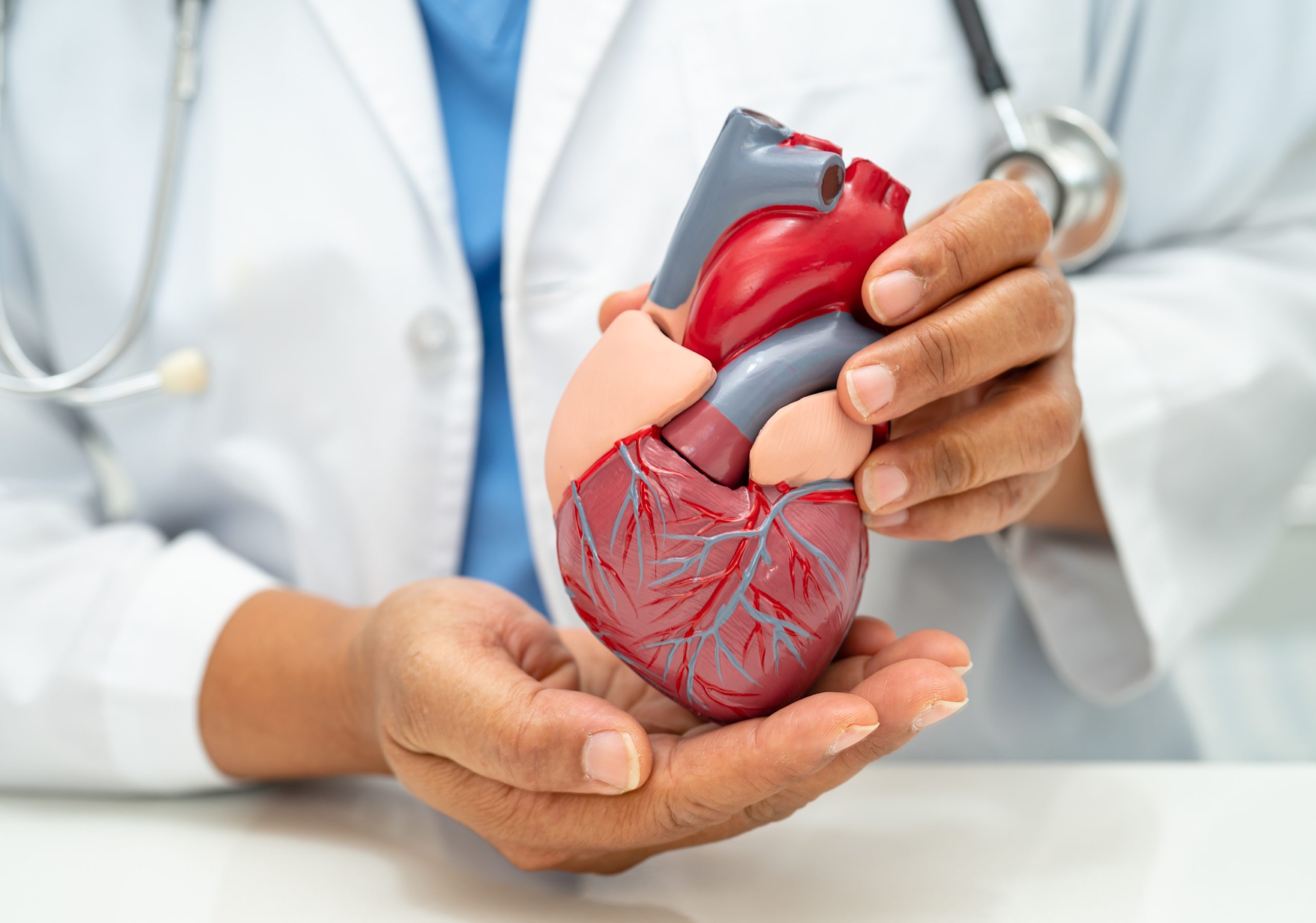
Heart failure is one of the most common chronic cardiovascular conditions and occurs when the heart is unable to pump blood efficiently enough to meet the body’s needs for oxygen and nutrients. Despite its name, heart failure does not mean that the heart has stopped working. Rather, it indicates that the heart’s pumping function has become weakened or impaired, requiring timely diagnosis, specialized treatment, and ongoing management.
At Burjeel Royal Hospital Al Ain, our Heart Failure Clinic provides a comprehensive, multidisciplinary approach to diagnosis, treatment, and long-term follow-up. Our goal is to help patients manage their condition effectively, improve their quality of life, reduce hospital admissions, and achieve better long-term outcomes.
What is Heart Failure?
Heart failure is a chronic condition in which the heart muscle cannot pump blood effectively or relax properly between heartbeats.
Heart failure may affect:
- The left side of the heart
- The right side of the heart
- Both sides of the heart
- The heart’s ability to contract (Systolic Heart Failure)
- The heart’s ability to relax and fill with blood (Diastolic Heart Failure)
As the condition progresses, it can impact multiple organs, including the lungs, kidneys, and liver, leading to significant health complications if left untreated.
What are the Signs and Symptoms of Heart Failure?
Heart failure symptoms can develop gradually or suddenly and may worsen over time.
Shortness of Breath
One of the most common symptoms of heart failure, occurring:
- During physical activity
- While climbing stairs
- When lying flat
- During sleep
- Even at rest in advanced stages
Persistent Fatigue and Reduced Energy
Patients may experience:
- Constant tiredness
- Reduced exercise tolerance
- Difficulty performing routine daily activities
- General weakness
Swelling and Fluid Retention
Heart failure often causes fluid accumulation, resulting in:
- Swelling of the feet
- Swelling of the ankles
- Swelling of the legs
- Abdominal bloating in some cases
Irregular Heartbeat and Palpitations
Patients may notice:
- Rapid heartbeat
- Irregular heart rhythm
- Fluttering sensations in the chest
Sudden Weight Gain
Unexplained weight gain may indicate fluid retention and worsening heart failure.
Additional Symptoms
- Persistent cough or wheezing
- Dizziness or fainting episodes
- Loss of appetite
- Difficulty concentrating
- Frequent nighttime urination
- Chest discomfort or pressure
What Causes Heart Failure?
Several cardiovascular and systemic conditions can lead to heart failure, including:
- Coronary artery disease
- Blocked heart arteries
- Previous heart attacks
- High blood pressure (Hypertension)
- Diabetes mellitus
- Heart valve disease
- Cardiomyopathy
- Cardiac arrhythmias
- Congenital heart defects
- Genetic heart disorders
- Chronic kidney disease
Risk Factors for Heart Failure
Individuals are at increased risk if they have:
- High blood pressure
- Diabetes
- High cholesterol
- Obesity
- Smoking habits
- Family history of heart disease
- Sedentary lifestyle
- Previous heart attacks
Why Early Diagnosis Matters
Early diagnosis and timely intervention can significantly improve patient outcomes by:
- Controlling symptoms more effectively
- Improving quality of life
- Reducing hospitalization rates
- Preventing disease progression
- Lowering the risk of serious complications
- Enhancing long-term survival
Heart Failure Services at Burjeel Royal Hospital Al Ain
Comprehensive Cardiac Assessment
Our specialists perform a detailed evaluation that includes:
- Medical history review
- Physical examination
- Cardiovascular risk assessment
- Symptom evaluation
- Lifestyle and health assessment
Advanced Diagnostic Testing
We offer a full range of state-of-the-art diagnostic services, including:
- Electrocardiogram (ECG)
- Echocardiography
- Cardiac Stress Testing
- Holter Monitoring
- Specialized Cardiac Blood Tests
- Advanced Cardiac Imaging
- Cardiac CT Scan
- Cardiac MRI
- Comprehensive Heart Function Assessment
Coronary Angiography and Cardiac Catheterization
Many heart failure patients have underlying coronary artery disease that contributes to weakening of the heart muscle.
Coronary Angiography
Coronary angiography is considered the gold standard for diagnosing blockages or narrowing in the coronary arteries.
This procedure allows our specialists to:
- Visualize coronary arteries in detail
- Identify areas of narrowing or blockage
- Assess blood flow to the heart muscle
- Determine the most appropriate treatment strategy
Coronary Angioplasty and Stent Placement
If significant blockages are detected, interventional cardiologists may perform:
- Balloon angioplasty
- Coronary artery stenting
- Restoration of blood flow to the heart muscle
- Prevention of further cardiac damage
These minimally invasive procedures can improve symptoms, enhance heart function, and reduce future cardiovascular risks.
Advanced Device Therapy for Heart Failure
Some patients with moderate to advanced heart failure may benefit from implantable cardiac devices.
Pacemaker Implantation
A pacemaker helps regulate abnormal heart rhythms and ensures the heart beats at an appropriate rate.
Benefits include:
- Improved heart rhythm control
- Reduced symptoms
- Enhanced exercise capacity
- Better overall heart performance
Cardiac Resynchronization Therapy (CRT)
CRT is an advanced treatment option for selected heart failure patients whose heart chambers do not beat in a coordinated manner.
CRT can:
- Improve pumping efficiency
- Reduce symptoms
- Increase exercise tolerance
- Lower hospitalization rates
- Improve quality of life
Implantable Cardioverter Defibrillator (ICD)
An ICD continuously monitors heart rhythm and delivers life-saving therapy when dangerous arrhythmias occur.
ICDs are often recommended for patients at risk of sudden cardiac arrest.
Personalized Heart Failure Treatment Plans
Every patient receives an individualized treatment plan tailored to their condition and medical needs.
Treatment may include:
- Evidence-based heart failure medications
- Blood pressure management
- Diabetes control
- Cholesterol management
- Nutritional counseling
- Salt restriction guidance
- Weight management programs
- Cardiac rehabilitation
- Lifestyle modification support
- Smoking cessation counseling
Ongoing Monitoring and Follow-Up Care
Heart failure requires continuous monitoring and expert follow-up.
At Burjeel Royal Hospital Al Ain, we provide:
- Regular specialist consultations
- Medication optimization
- Monitoring of disease progression
- Preventive care strategies
- Long-term cardiac wellness programs
Our goal is to help patients live healthier, more active, and more fulfilling lives.
Under the Expertise of Dr. Noorullah
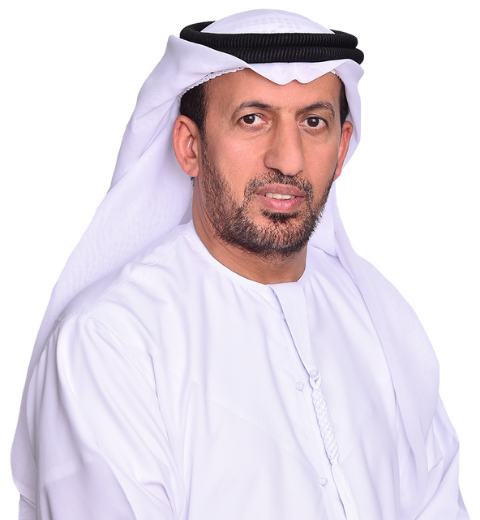
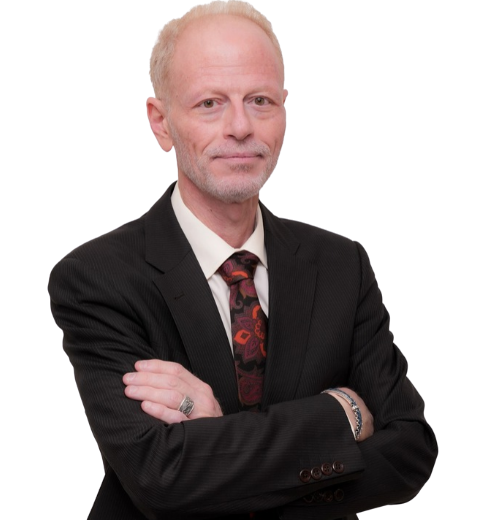
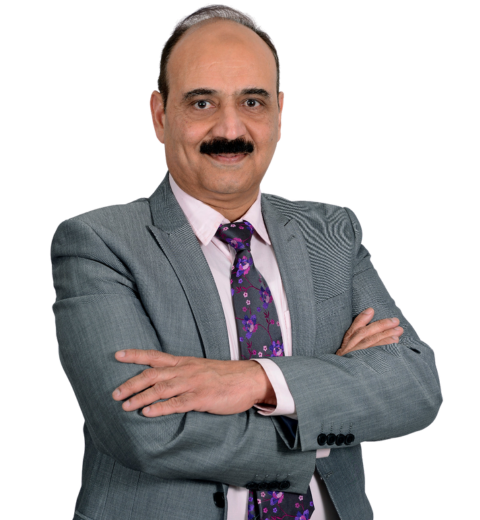
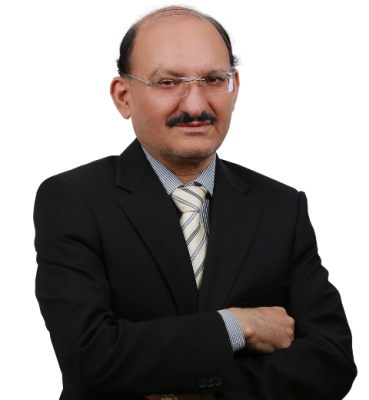
The Heart Failure Clinic is led by Dr. Noor Ullah, Consultant Interventional Cardiologist, who has extensive experience in the diagnosis and treatment of complex cardiovascular diseases, including:
- Heart failure management
- Coronary artery disease
- Coronary angiography
- Coronary angioplasty and stenting
- Advanced interventional cardiology procedures
- Implantable cardiac devices
When Should You Visit the Heart Failure Clinic?
Schedule an appointment if you experience:
- Shortness of breath
- Swelling in the feet, ankles, or legs
- Persistent fatigue
- Irregular heartbeat or palpitations
- Unexplained weight gain
- Chronic cough
- Reduced ability to perform daily activities
Book Your Appointment Today
Do not ignore the warning signs of heart failure. Early diagnosis and specialized treatment can make a significant difference in protecting your heart and improving your quality of life.
Book your appointment in the Heart Failure Clinic at Burjeel Royal Hospital Al Ain for expert evaluation, advanced diagnostics, and comprehensive treatment options, including coronary angiography, cardiac catheterization, stent placement, pacemaker implantation, ICD therapy, and cardiac resynchronization therapy.
📞Call 80055 to book your appointment today.
Advanced Cardiac Care for a Stronger Heart and a Healthier Future.
Dr. Noor Ullah is a Consultant Interventional Cardiologist at Burjeel Royal Hospital, Al Ain, specializing in bifurcation, primary PCI, rotational and orbital atherectomy, CTO, and CHIP procedures, with over 22 years of experience.