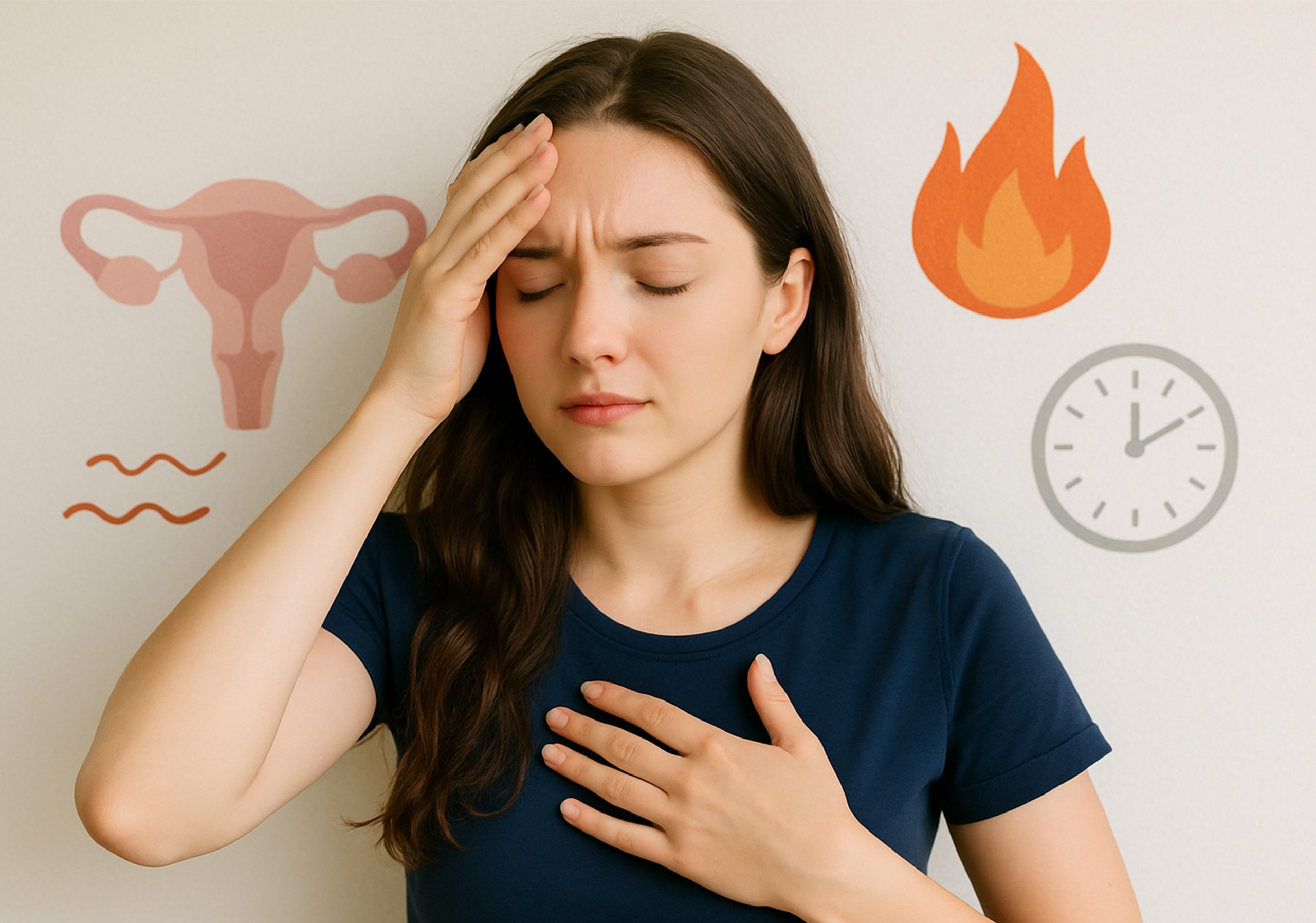
Perimenopause is a major hormonal transition that every woman experiences, yet many are unaware of what is happening inside the body when symptoms begin. Understanding the changes early allows women to protect their physical, hormonal, and emotional health.
At Burjeel Specialty Hospital, Sharjah, our women’s health experts guide and support patients through every stage of this journey with personalized and compassionate care.
What is Perimenopause?
Perimenopause refers to the time leading up to menopause when the ovaries gradually decrease estrogen production. This shift impacts the menstrual cycle and triggers a range of physical and emotional changes. Knowing what is perimenopause helps women recognize that these symptoms are not “just stress” or “getting older” — they are hormonal changes that can be managed with the right care.
Perimenopause Age Range
Most women experience perimenopause between 40 and 55 years, though some may start earlier due to genetics, medical history, lifestyle factors, or surgical removal of the ovaries. Duration varies — it can last from a few months to several years.
Early Signs of Perimenopause
The early signs of perimenopause often appear gradually and may differ for each woman. Common indicators include:
- Irregular or missed menstrual cycles
- Hot flashes and night sweats
- Vaginal dryness or discomfort
- Fatigue and low motivation
- Breast tenderness
- Lower fertility
Recognising and addressing early symptoms improves comfort and long-term well-being.
Common Perimenopause Symptoms
As hormonal fluctuations progress, women may notice more prominent symptoms:
Perimenopause and Mood Swings
Shifts in estrogen and progesterone can affect neurotransmitters, leading to irritability, anxiety, sadness, or emotional sensitivity.
Perimenopause Sleep Problems
Disturbed sleep, night sweats, or insomnia are common and may increase daytime fatigue.
Perimenopause Weight Gain
Hormonal imbalance, reduced metabolism, and redistribution of body fat can cause weight gain — particularly around the abdomen.
No two women experience perimenopause the same way, which is why personalised medical guidance is essential.
Diagnosis: When to Seek Medical Guidance
A gynecologist may diagnose perimenopause through:
- Symptom and menstrual history
- Hormonal blood tests
- Thyroid and vitamin level evaluation
- Ultrasound of reproductive organs (if needed)
Timely diagnosis provides clarity and ensures symptoms are managed early.
Perimenopause Treatment Options
Effective perimenopause management is not a one-size-fits-all approach. Treatment depends on the type of symptoms, medical history, age, and personal preferences. At Burjeel Specialty Hospital, Sharjah, options may include:
1. Hormone Therapy
Hormone Replacement Therapy (HRT) balances declining estrogen levels to reduce hot flashes, sleep disturbances, vaginal dryness, mood swings, and bone loss. Treatment is customised to ensure maximum safety and benefit.
2. Low-Dose Birth Control Pills
For women still having irregular periods, low-dose contraceptive pills can regulate menstrual cycles, reduce heavy bleeding, and stabilise hormone fluctuations.
3. Mood and Sleep Support
If anxiety, irritability, or insomnia is severe, doctors may recommend safe prescription medications, counselling, or cognitive behavioural therapy to help restore emotional and mental balance.
4. Vaginal Estrogen
Topical estrogen (cream, gel, or ring) eases dryness, pain during intimacy, itching, and urinary discomfort — without affecting the entire body.
5. Lifestyle Modification Program
Doctors may recommend routine-based improvements such as:
- Nutrition guidance
- Strength and cardio exercises
- Sleep hygiene and stress management
- Reducing caffeine, smoking, and alcohol intake
These habits significantly improve hormonal balance and energy levels.
6. Natural Remedies for Perimenopause
Alongside medical care, many women benefit from:
- Omega-3-rich foods
- Phytoestrogens (soy, flaxseeds, legumes)
- Calcium and Vitamin D supplements
- Yoga, pilates, and meditation
Natural remedies for perimenopause work best as supportive care alongside medical treatment, not as substitutes.
Meet Our Women’s Health Specialists
Women experiencing perimenopause deserve reassurance, clarity, and personalized support. At Burjeel Specialty Hospital, Sharjah, our gynecology specialists bring a compassionate and expert-led approach to hormonal health:

Dr. Rabia Bashir Natash
Specialist Obstetrician & Gynecologist, Laparoscopic & Hysteroscopic Surgeon

Dr. Zarqa Noreen Shah
Specialist Obstetrics & Gynecology
Both doctors are experienced in the diagnosis and management of perimenopause, menopause, hormonal imbalance, and long-term women’s health.
Frequently Asked Questions (FAQs)
1. How do I know if I am in perimenopause?
If you are experiencing irregular periods, hot flashes, mood changes, difficulty sleeping, or unexplained weight gain between the ages of 40–55, you may be in perimenopause. A gynecologist can confirm it through a clinical evaluation and hormone tests.
2. What is the earliest age perimenopause can start?
While most women begin perimenopause in their 40s, some may start in their mid-to-late 30s due to genetics, lifestyle factors, or medical conditions.
3. How long does perimenopause last?
Perimenopause can last from a few months to several years. The duration varies for each woman depending on hormonal patterns and overall health.
4. Are mood swings normal during perimenopause?
Yes. Mood swings, anxiety, or irritability are common because hormonal changes affect neurotransmitters that regulate emotions.
5. Is weight gain linked to perimenopause?
Yes. Hormonal fluctuation slows metabolism and increases fat storage, making weight gain — especially around the abdomen — common during perimenopause.
6. Can perimenopause cause trouble sleeping?
Many women experience sleep problems such as insomnia, night sweats, or restless sleep due to hormonal imbalance.
7. What treatments are available for perimenopause?
Treatment depends on symptoms and may include hormone replacement therapy, low-dose contraceptive pills, vaginal estrogen, mood and sleep support, lifestyle modifications, and natural remedies.
8. Are natural remedies enough to treat perimenopause?
Natural remedies can support symptom relief, but they are most effective when combined with professional medical care rather than used as the only treatment.
9. When should I see a doctor for perimenopause symptoms?
Book a consultation if symptoms interfere with daily life, such as severe mood swings, heavy bleeding, sleep disturbance, or persistent discomfort.
10. Who can help me manage perimenopause symptoms in Sharjah?
Women can receive specialised perimenopause care at Burjeel Specialty Hospital, Sharjah with Dr. Rabia Bashir Natash and Dr. Zarqa Noreen Shah.
Take Control of Your Hormonal Well-Being
Perimenopause is a natural stage — not something women must struggle through alone. With the right diagnosis and treatment plan, women can feel energetic, emotionally balanced, and comfortable again.
If you are noticing changes in your sleep, mood, weight, menstrual cycle, or overall energy levels, help is available.
Book your consultation at Burjeel Specialty Hospital, Sharjah to receive personalized treatment and guidance tailored to your health and lifestyle.