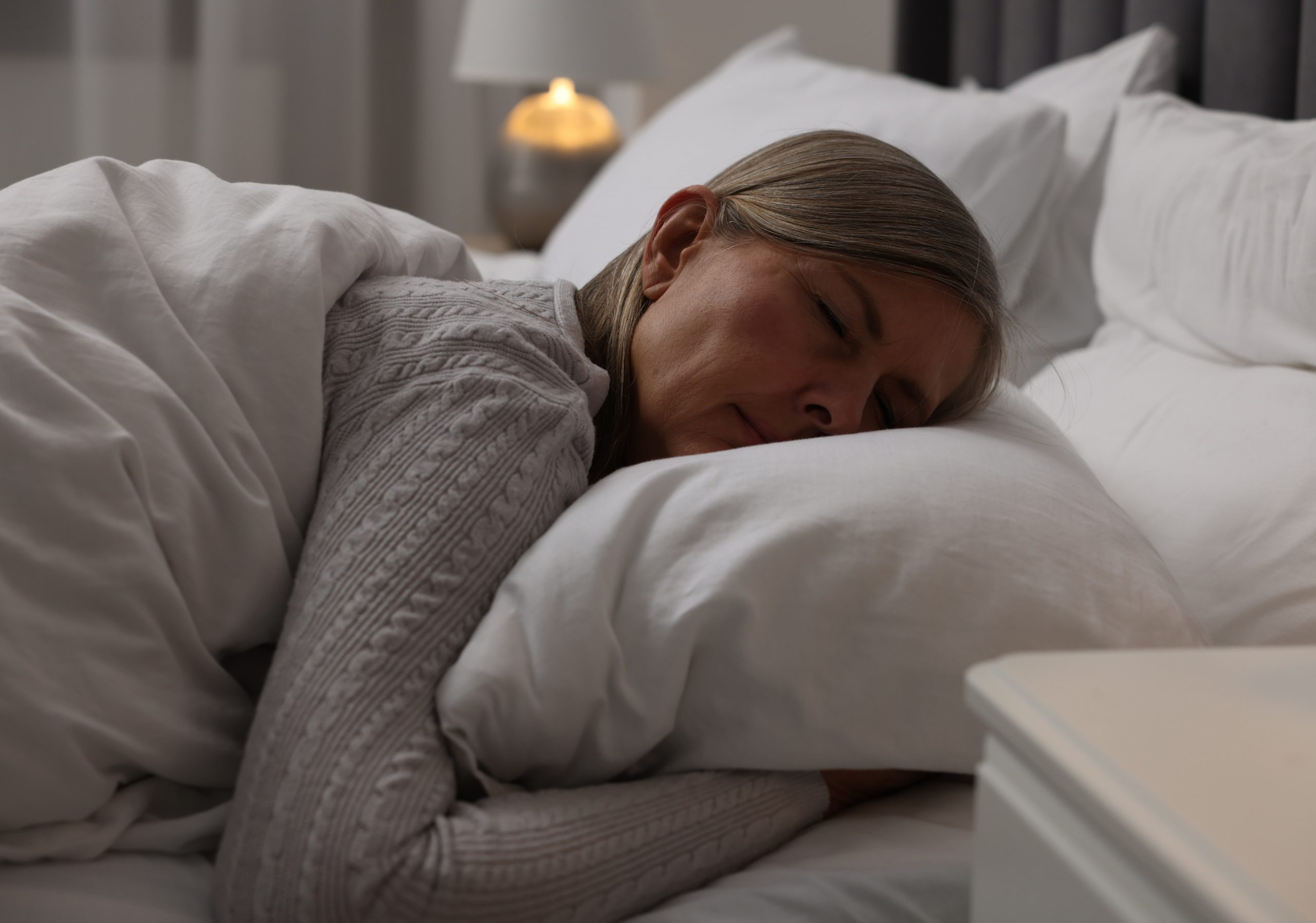
While hormone therapy addresses the hormonal changes during menopause, daily habits profoundly impact how you feel day-to-day. The good news is that effective lifestyle changes for menopause are not vague wellness advice—they are backed by recent research and work well alongside hormone therapy rather than replacing it.
Why Does Menopause Cause Sleep Problems?
Insomnia affects up to 60% of women during perimenopause and postmenopause, making disrupted sleep one of the most common and exhausting symptoms of this transition.
Diet plays a bigger role than many women realize. Foods that improve the body’s natural melatonin production and those rich in tryptophan are linked to better sleep outcomes. These dietary adjustments are not quick fixes but consistent, small changes that support your body’s natural sleep rhythm.
Why Do Women Gain Weight During Menopause?
Weight gain affects approximately 60–70% of women during menopause and is often misunderstood as a simple matter of willpower.
As estrogen levels decline, fat storage shifts toward the abdomen, basal metabolic rate slows, and the body becomes less efficient at burning energy at rest. This abdominal fat increase is linked to higher risks of type 2 diabetes and heart disease, highlighting why managing weight goes beyond appearance.
The encouraging part: structured nutrition and exercise programs have shown measurable improvements in weight and body composition for postmenopausal women, even within short periods.
What Is the Best Exercise for Menopause?
Resistance and weight-bearing exercises have the strongest research support, especially regarding bone health.
A high-intensity resistance and impact training program in postmenopausal women with low bone mass demonstrated measurable increases in spine bone density over eight months and better maintenance of hip bone strength compared to lower-intensity exercise. More broadly, a large review of exercise studies showed consistent positive effects on bone density regardless of initial bone health.
Even small increases in physical activity improve mood, sleep quality, weight management, and muscle function. The goal is consistency rather than intensity alone.
Can Lifestyle Changes Replace Hormone Therapy?
Not exactly. The best approach is not either/or but a combination.
Leading menopause organizations recommend a healthy lifestyle, regular physical activity, balanced nutrition, and avoiding harmful behaviors like smoking as core parts of menopause care—alongside any medical treatment chosen.
For many women, hormone therapy addresses the underlying hormonal changes, while lifestyle changes help the body respond better to treatment and manage symptoms daily.
Build a Personalized Menopause Plan for Yourself
A personalized plan considers your symptoms, lifestyle, and whether hormone therapy fits your needs.
At Burjeel Reem’s Menopause & Midlife Health Clinic in Abu Dhabi, Dr. Monica Singh Chauhan, Consultant in Gynaecology, offers tailored assessments to build plans designed specifically for each woman.
Dr. Monica Singh Chauhan is a Consultant Gynecologist at Burjeel Reem’s Menopause & Midlife Health Clinic in Abu Dhabi, specializing in comprehensive women’s health care with expertise in menopause management, hormone replacement therapy, and minimally invasive gynecological procedures. She is dedicated to providing personalized and evidence-based care to support women through midlife and beyond.
Book an appointment at Burjeel Reem’s Menopause & Midlife Health Clinic in Abu Dhabi to start your personalized menopause journey.
Frequently Asked Questions (FAQs)
Consistent sleep hygiene, a balanced diet rich in melatonin and tryptophan, and regular weight-bearing and resistance exercise have been shown to improve menopause symptoms such as insomnia, weight gain, and bone health.
Hormonal fluctuations during menopause disrupt natural melatonin production and circadian rhythms, often causing insomnia and poor sleep quality in up to 60% of menopausal women.
Declining estrogen levels during menopause slow metabolism and shift fat storage to the abdomen, increasing risks for cardiovascular disease and diabetes, which is why managing weight through diet and exercise is vital.
Resistance and weight-bearing exercises are best supported by research, improving bone density, muscle strength, mood, and weight management in postmenopausal women.
Diet plays a significant role, especially foods that promote natural melatonin production and provide tryptophan. However, combining diet with exercise and, when appropriate, hormone therapy offers the most benefit.
Hormone therapy is not necessary for everyone but often complements lifestyle habits by addressing underlying hormonal changes and improving symptom management.
Burjeel Reem’s Menopause & Midlife Health Clinic in Abu Dhabi provides expert, personalized menopause care, including lifestyle advice and hormone therapy options, led by Dr. Monica Singh Chauhan.
Taking small, consistent lifestyle steps paired with expert medical guidance can transform your menopause experience. Reach out to a specialist today to create a plan tailored just for you.