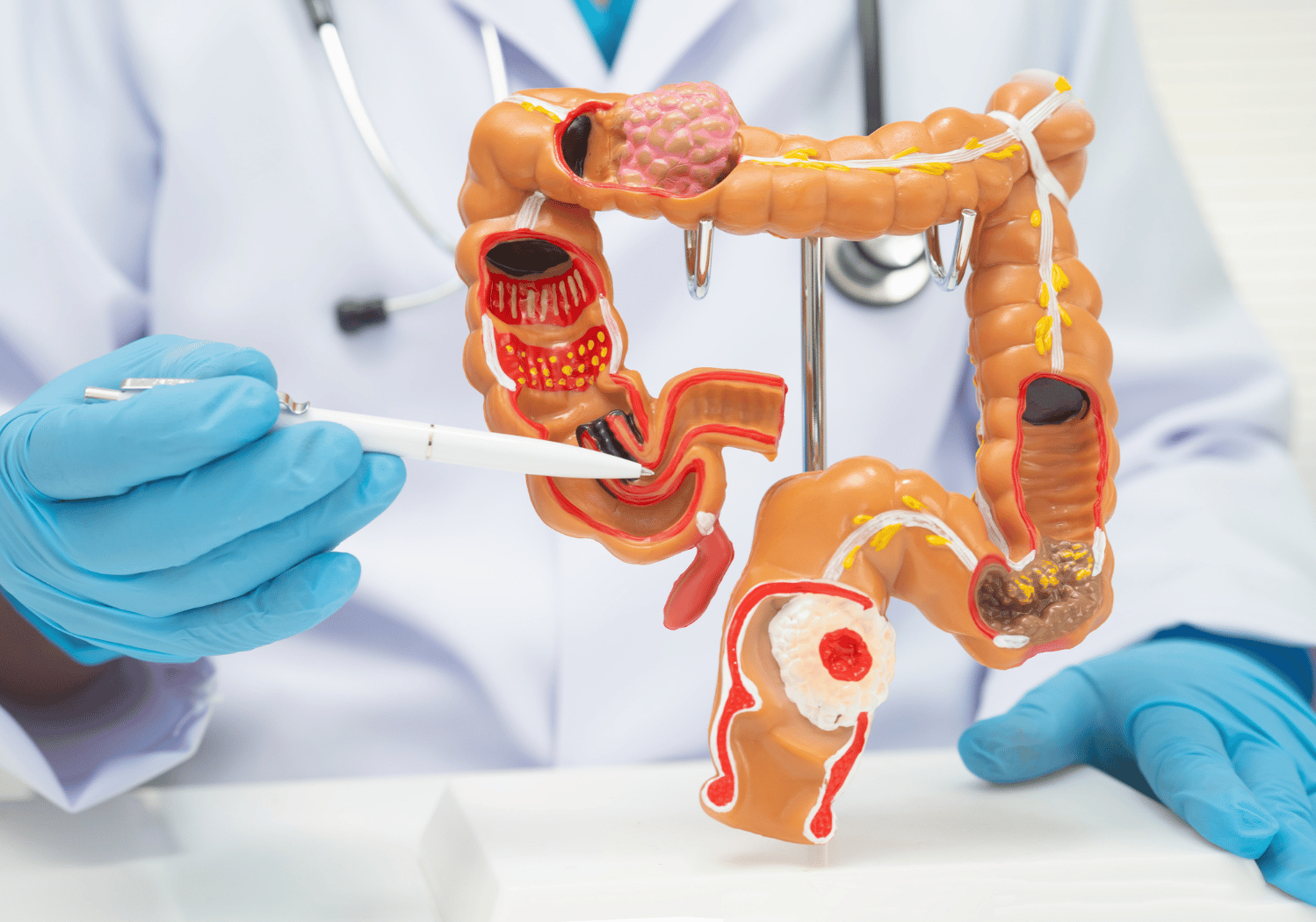
Rectal bleeding is one of the most common reasons people seek a proctology consultation, yet it is also one of the most misunderstood symptoms. Many people assume that blood after a bowel movement automatically means hemorrhoids, and they begin self-treatment without knowing the real cause.
Hemorrhoids are a frequent diagnosis, but they are only one of several conditions that can cause similar symptoms. This article explains what else may be behind rectal bleeding, which symptoms offer clues, and when it is time to see a specialist.
What Can Cause Rectal Bleeding?
Several conditions can present with rectal bleeding or discomfort:
- Hemorrhoids
- Anal fissures
- Anal fistulas
- Colorectal polyps
- Inflammatory bowel disease
- Colorectal cancer, in some cases
Because these conditions can look alike from the outside, telling them apart takes more than symptoms alone. It requires a thorough clinical evaluation.
Looking Beyond Bleeding: What Your Symptoms May Indicate
The location, timing, and nature of your symptoms often provide important diagnostic clues.
- Bright red blood on toilet paper may suggest hemorrhoids or an anal fissure.
- Bleeding mixed with stool, or bleeding with changes in bowel habits, warrants further investigation.
- Persistent anal pain after passing stool commonly points toward an anal fissure.
- Discharge, recurrent swelling, or an opening near the anus may indicate an anal fistula.
Other symptoms deserve attention too, including itching, mucus discharge, a palpable lump, constipation, or difficulty emptying the bowel. These should be assessed in the context of your overall history rather than in isolation.
These clues help guide a doctor, but they are not a diagnosis. Only an examination can confirm the cause.
Why Accurate Diagnosis Matters
Many anorectal conditions respond well to treatment, particularly when they are identified early. Self-diagnosis and prolonged use of over-the-counter remedies, however, can delay appropriate care and, in some cases, allow symptoms to progress.
Current colorectal surgery guidelines recommend that persistent rectal bleeding be clinically evaluated rather than automatically attributed to hemorrhoids. This applies especially when symptoms recur, change over time, or come with altered bowel habits.
A specialist assessment identifies the underlying cause and ensures that more serious conditions are appropriately excluded.
When Should You Consult a Proctology Specialist?
A consultation is recommended if you experience:
- Persistent or recurrent rectal bleeding
- Pain during or after bowel movements
- A lump or swelling around the anal region
- Ongoing itching or discharge
- Changes in bowel habits accompanied by bleeding
- Symptoms that continue despite conservative measures
These symptoms should never be considered a normal part of aging or simply accepted as recurring discomfort.
Proctology Center at Burjeel Day Surgery Center, Al Reem Island
At Burjeel Day Surgery Center, Al Reem Island, the Proctology Center provides comprehensive evaluation and evidence-based care for a wide range of anorectal conditions. Both male and female specialists are available, and every treatment plan is guided by an accurate diagnosis and tailored to individual clinical needs.
Meet Our Specialists
Conclusion
Rectal bleeding is common, but it should not be dismissed or self-diagnosed. Hemorrhoids may be the cause, but fissures, fistulas, polyps, inflammatory bowel disease, and, in some cases, colorectal cancer can look similar. A specialist assessment provides the clarity that symptoms alone cannot. If you are experiencing persistent anorectal symptoms, early consultation can lead to timely diagnosis, effective treatment, and lasting relief.
Frequently Asked Questions (FAQs)
No. Hemorrhoids are a frequent cause, but anal fissures, anal fistulas, colorectal polyps, inflammatory bowel disease, and in some cases colorectal cancer can also cause rectal bleeding. A clinical evaluation is needed to find the actual cause.
It may suggest hemorrhoids or an anal fissure. Because other conditions can look similar, persistent or recurring bleeding should still be examined by a doctor.
Bleeding mixed with stool, or bleeding accompanied by changes in bowel habits, warrants further investigation. Bleeding that recurs, changes over time, or does not improve with conservative measures should also be evaluated.
Persistent anal pain after a bowel movement commonly points toward an anal fissure. A specialist can confirm this and advise on treatment.
Discharge, recurrent swelling, or an opening near the anus may indicate an anal fistula.
Self-treatment can delay proper care and, in some cases, allow symptoms to progress. Guidelines recommend clinical evaluation of persistent rectal bleeding rather than assuming it is hemorrhoids.
No. Rectal bleeding, pain, lumps, itching, or discharge should never be accepted as a normal part of aging or as recurring discomfort. They deserve assessment.
A proctology specialist can evaluate the cause, treat the condition, and ensure that more serious conditions are excluded.
Yes. The Proctology Center at Burjeel Day Surgery Center, Al Reem has both male and female specialists available.
Your specialist will review your symptoms and overall history and perform a thorough clinical evaluation. Treatment is then tailored to the diagnosis and your individual needs.
Don’t ignore rectal bleeding or persistent anorectal symptoms.
Early consultation can lead to timely diagnosis, effective treatment, and lasting relief. Speak to a specialist at the Proctology Center, Burjeel Day Surgery Center – Reem.