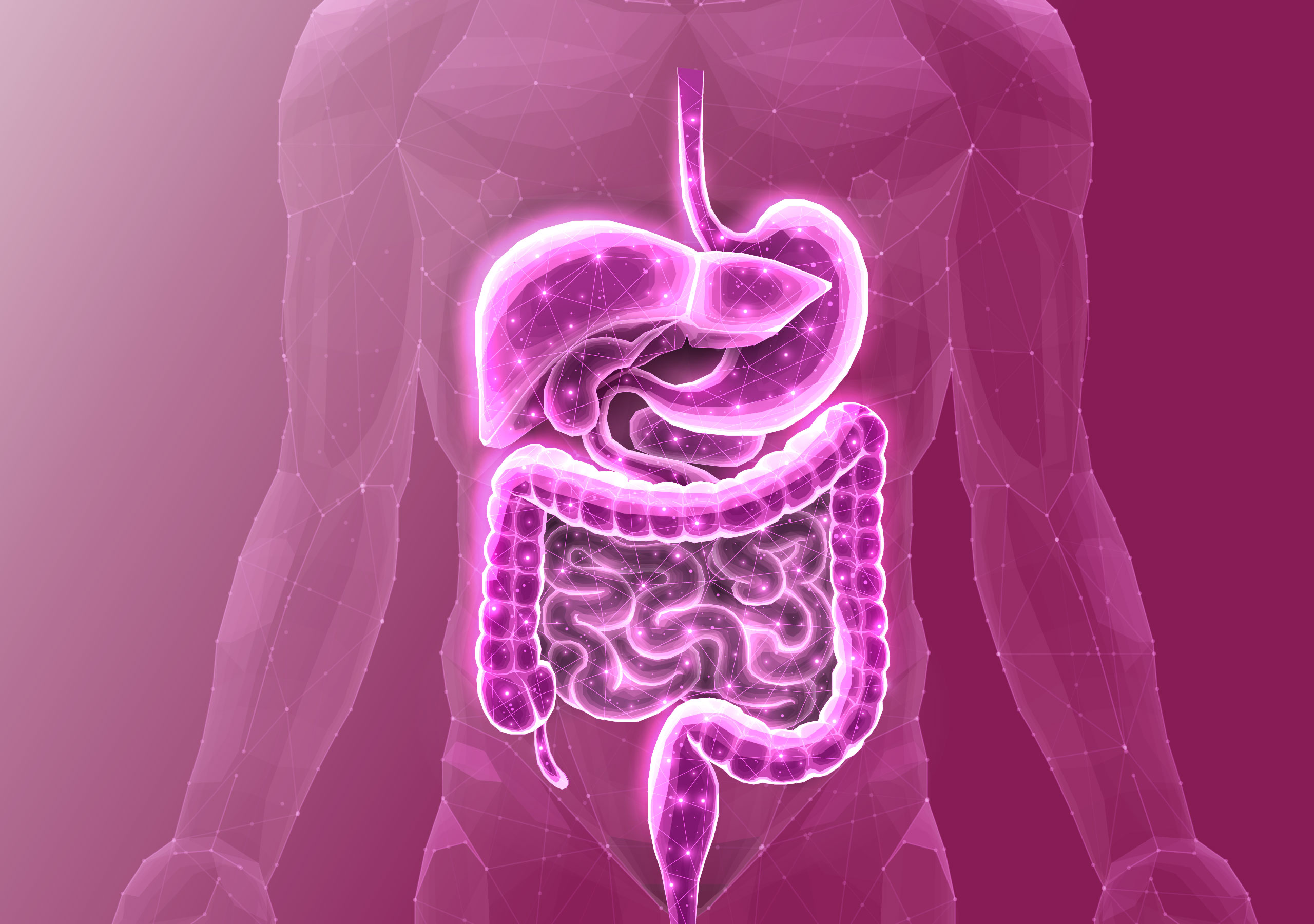
In today’s fast-paced GCC lifestyle — marked by long working hours, irregular eating habits, and extreme climate conditions — maintaining optimal gut microbiome health has become more important than ever.
Your gut is home to trillions of microorganisms that play a critical role in digestion, immunity, metabolism, and overall health. When this delicate balance is disrupted, it can lead to digestive discomfort, fatigue, and long-term health concerns.
At Burjeel Medical Centre, Al Marina, our specialists focus on improving gut health and digestive balance through personalized care, nutrition guidance, and evidence-based treatments tailored to the GCC environment.
What is the Gut Microbiome?
The gut microbiome refers to the community of bacteria, fungi, and other microorganisms living in your digestive tract. These microbes are essential for:
- Breaking down food and absorbing nutrients
- Supporting immune system function
- Producing essential vitamins
- Maintaining metabolic balance
A healthy gut microbiome ensures smooth digestive system health, while an imbalance — known as dysbiosis — can lead to bloating, indigestion, and other gastrointestinal issues.
How the Gut Microbiome Affects Digestion
The relationship between the microbiome and digestion is fundamental. Healthy gut bacteria help process food efficiently, regulate bowel movements, and reduce inflammation.
When gut bacteria are imbalanced, you may experience:
- Bloating and abdominal discomfort
- Irregular bowel movements
- Food intolerance and digestion issues
- Reduced nutrient absorption
👉 This highlights the importance of maintaining healthy gut bacteria to improve digestion naturally.
Why Gut Health Matters in GCC Lifestyles
Residents in the GCC face unique lifestyle factors that impact gut microbiome health:
1. High Temperatures and Hydration
Extreme heat increases the risk of dehydration, directly affecting hydration and digestion.
2. Dietary Patterns
Frequent consumption of processed foods, high-fat meals, and low fiber intake can disrupt microbiota diversity.
3. Sedentary Lifestyle
Long working hours and limited physical activity slow digestion and affect metabolism.
4. Stress and Sleep Patterns
Stress plays a major role in the gut-brain axis, influencing digestion and overall gut health and immunity.
👉 Understanding how lifestyle affects gut microbiome is key to maintaining long-term digestive wellness.
Best Foods for Gut Microbiome Health
A balanced gut health diet supports microbial diversity and digestive efficiency.
Foods That Improve Gut Bacteria Balance
- Fiber-rich foods (whole grains, fruits, vegetables)
- Fermented foods (yogurt, kefir, kimchi)
- Prebiotics (garlic, onions, bananas)
- Lean proteins
- Healthy fats (olive oil, nuts)
Probiotics and Gut Health
Probiotics are beneficial bacteria that help restore balance in the gut. Including probiotics for gut health can enhance digestion and reduce inflammation.
👉 A well-planned gut microbiome diet plan for daily routine improves both digestion and immunity.
Gut Health Tips for GCC Lifestyle
Maintaining healthy digestion habits in the GCC requires conscious lifestyle adjustments.
Practical Digestion Improvement Tips
- Stay hydrated throughout the day
- Eat balanced meals at regular intervals
- Reduce processed and high-sugar foods
- Include fiber-rich foods in your diet
- Manage stress through relaxation techniques
- Get adequate sleep
👉 These simple strategies help boost digestion naturally and maintain digestive balance.
How to Improve Gut Health Naturally
Many patients ask: “How to improve gut microbiome naturally?”
The answer lies in combining diet, lifestyle, and medical guidance:
- Follow a structured gut health plan for Middle Eastern diet
- Incorporate fermented foods regularly
- Use probiotics when recommended
- Avoid unnecessary antibiotics
- Maintain physical activity
👉 A consistent approach is key to achieving long-term gut health benefits.
Signs of Poor Gut Health
Recognizing early signs can help prevent long-term complications.
Common symptoms include:
- Frequent bloating or gas
- Constipation or diarrhea
- Fatigue or low energy
- Food sensitivities
- Weakened immunity
👉 Early intervention and proper IBS and digestive disorder management can restore gut balance effectively.
🔹 SUPPORT YOUR DIGESTIVE HEALTH TODAY 🔹
Personalized Gut Health Care at Al Marina
At Burjeel Medical Centre, Al Marina, our gastroenterology specialists provide comprehensive evaluation and tailored gut health management plans — focusing on nutrition, lifestyle, and advanced medical care.
Gastroenterology Department, Al Marina, Abu Dhabi
Frequently Asked Questions
The gut microbiome is a collection of microorganisms in the digestive system that support digestion, immunity, and overall health.
It helps break down food, absorb nutrients, and regulate bowel movements. Imbalance can lead to digestive issues.
Improve gut health by eating a balanced diet, staying hydrated, managing stress, and including probiotics and fiber-rich foods.
Fiber-rich foods, fermented foods, prebiotics, and lean proteins are ideal for maintaining healthy gut bacteria.
Diet, hydration, stress, sleep, and physical activity all influence the gut microbiome and digestion.
Yes, probiotics help restore beneficial bacteria, improving digestion and reducing symptoms like bloating.
Signs include bloating, irregular bowel movements, fatigue, and food intolerance.
Conclusion
Your gut is the foundation of your overall health. By understanding gut microbiome health and adopting the right diet and lifestyle habits, you can significantly improve digestion and well-being.
At Burjeel Medical Centre, Al Marina, our expert team is dedicated to helping you achieve optimal digestive health through personalized, evidence-based care tailored to your lifestyle in the GCC.