Cholesteatoma is a serious ear condition that can lead to hearing loss, discomfort, and, in some cases, severe complications. It is often misunderstood, with symptoms that may not be immediately noticeable. In this blog, we’ll explore what cholesteatoma is, its causes, symptoms, and treatment options, as well as answer frequently asked questions to help you better understand this condition.
What is Cholesteatoma?
Cholesteatoma is an abnormal growth of skin cells that occurs in the middle ear, behind the eardrum. While it is not a tumor, the cells involved can cause significant damage to the ear structures, including the bones and tissues of the middle ear. Over time, the buildup of these cells can lead to chronic ear infections, hearing loss, and even damage to the facial nerve in severe cases.
It is important to note that cholesteatoma is not always cancerous, but it requires medical attention to prevent complications.
Causes of Cholesteatoma
Cholesteatoma can develop for several reasons, with chronic ear infections. Here are the key causes of cholesteatoma:
1. Chronic Ear Infections
Repeated or unresolved ear infections can cause the skin of the eardrum to break down, creating a pocket in the middle ear where skin cells can build up. Over time, this can form cholesteatoma.
2. Eustachian Tube Dysfunction
The Eustachian tube connects the middle ear to the back of the nose and helps maintain pressure balance. If the Eustachian tube is not functioning properly, it can cause a vacuum effect in the middle ear, leading to the formation of cholesteatoma.
3. Congenital Cholesteatoma
Some individuals are born with cholesteatoma. In these cases, the abnormal growth of skin cells in the middle ear occurs without any history of ear infections. This type of cholesteatoma is rare but can cause symptoms early in life.
4. Barotrauma
Changes in pressure, such as those caused by frequent air travel, diving, or scuba diving, can sometimes result in damage to the eardrum, leading to the formation of cholesteatoma.
Symptoms of Cholesteatoma
Cholesteatoma may not cause immediate symptoms, and the condition can develop gradually over time. Some of the most common symptoms include:
- Hearing Loss: A buildup of tissue in the ear can block sound transmission, leading to gradual hearing loss.
- Ear Discharge: A persistent, foul-smelling discharge from the ear, often associated with an infection.
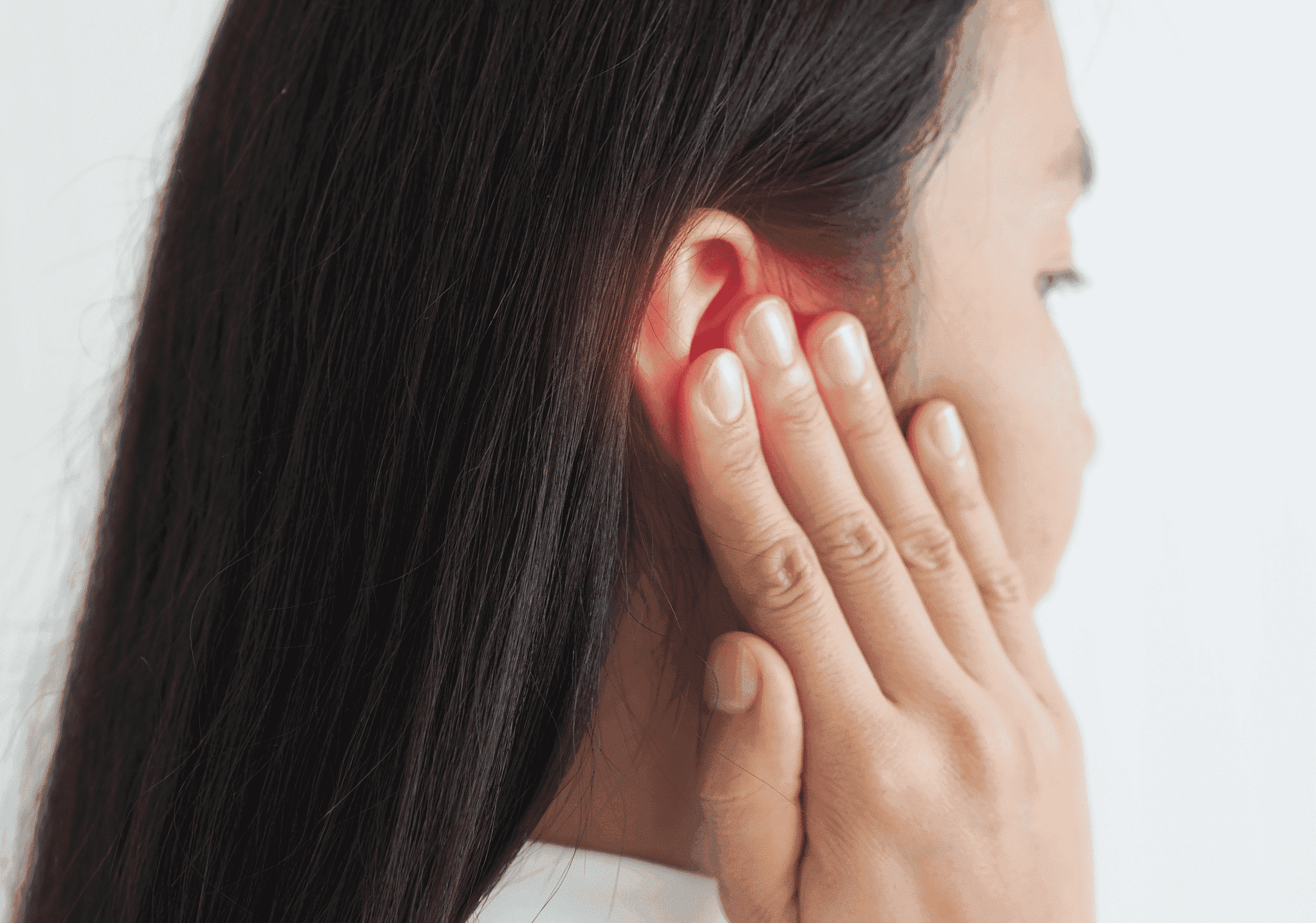
- Ear Pain or Discomfort: A feeling of fullness or pain in the affected ear, especially during infections.
- Tinnitus (Ringing in the Ear): A constant or intermittent ringing sound in the ear.
- Dizziness: Balance issues or dizziness due to the involvement of the inner ear.
- Facial Weakness: In severe cases, if cholesteatoma affects the facial nerve, it can cause facial paralysis or weakness on one side of the face.
- Swelling Behind the Ear: A noticeable swelling or bulging behind the ear, indicating the spread of infection or growth of the cholesteatoma.
Treatment Options for Cholesteatoma
At Burjeel Specialty Hospital, Sharjah, our expert ENT specialists use a multi-faceted approach to treating cholesteatoma, tailored to the severity of the condition. The primary goal of treatment is to remove cholesteatoma and prevent further complications.
1. Medications
While medications alone cannot treat cholesteatoma, they can help manage associated symptoms like ear infections, pain, or inflammation. Antibiotics may be prescribed if there is an active infection, and decongestants can help alleviate Eustachian tube dysfunction.
2. Surgical Treatment
The most common and effective treatment for cholesteatoma is surgery. Surgery aims to remove cholesteatoma, clean the middle ear, and prevent further damage to the ear structures. There are two main types of surgery for cholesteatoma:
- Tympanomastoidectomy: This procedure involves removing cholesteatoma, cleaning out the ear, and repairing any damage to the bones of the middle ear. It is often performed under general anesthesia.
- Tympanoplasty: In some cases, this procedure is used to repair any damage to the eardrum caused by cholesteatoma and restore normal hearing.
The specific surgical approach will depend on the size and location of the cholesteatoma and the severity of hearing loss or damage to the ear structures.
3. Follow-Up Care
Post-surgery, our ENT specialists will closely monitor the patient’s recovery. Regular follow-up visits are essential to ensure that the cholesteatoma does not return, and to check for any signs of complications such as infection or hearing loss.
4. Hearing Aids or Implants
For patients who have lost significant hearing due to cholesteatoma, hearing aids or cochlear implants may be recommended as part of the treatment plan. These devices can improve hearing and enhance quality of life for those affected by the condition.
FAQs
Q1: Can cholesteatoma be treated without surgery?
While some early-stage cholesteatomas can be managed with medications to control infections or symptoms, surgery is usually required to completely remove the growth and prevent future complications.
Q2: Is cholesteatoma a cancerous condition?
No, cholesteatoma is not cancerous. However, if left untreated, it can cause serious damage to the ear, including hearing loss, facial nerve paralysis, and in rare cases, brain infections.
Q3: How long does recovery take after cholesteatoma surgery?
Recovery time varies depending on the extent of the surgery. Generally, patients may need several weeks to fully recover, with follow-up appointments to monitor healing and ensure that no cholesteatoma tissue remains.
Q4: Can cholesteatoma recur after surgery?
Yes, cholesteatoma can recur, especially if all of the abnormal tissue was not removed during surgery. Regular follow-up care with an ENT specialist is essential to detect any recurrence early.
Q5: Can cholesteatoma be prevented?
Preventing cholesteatoma is challenging, especially if it is caused by congenital factors. However, managing chronic ear infections, avoiding excessive pressure changes, and seeking early treatment for ear problems can help reduce the risk of developing cholesteatoma.
Why Choose Burjeel Specialty Hospital, Sharjah for Cholesteatoma Treatment?
At Burjeel Specialty Hospital, Sharjah, our ENT specialists are highly skilled in diagnosing and treating complex ear conditions, including cholesteatoma. We utilize advanced diagnostic tools and cutting-edge surgical techniques to provide the best care for our patients. Whether you’re experiencing symptoms of cholesteatoma or need advice on treatment options, we are here to help.
Book Your Consultation Today!
If you’re experiencing symptoms of cholesteatoma, don’t wait. Early detection and treatment are key to preventing complications and restoring your hearing and quality of life. Contact Burjeel Specialty Hospital, Sharjah today to schedule a consultation with one of our expert ENT specialists.