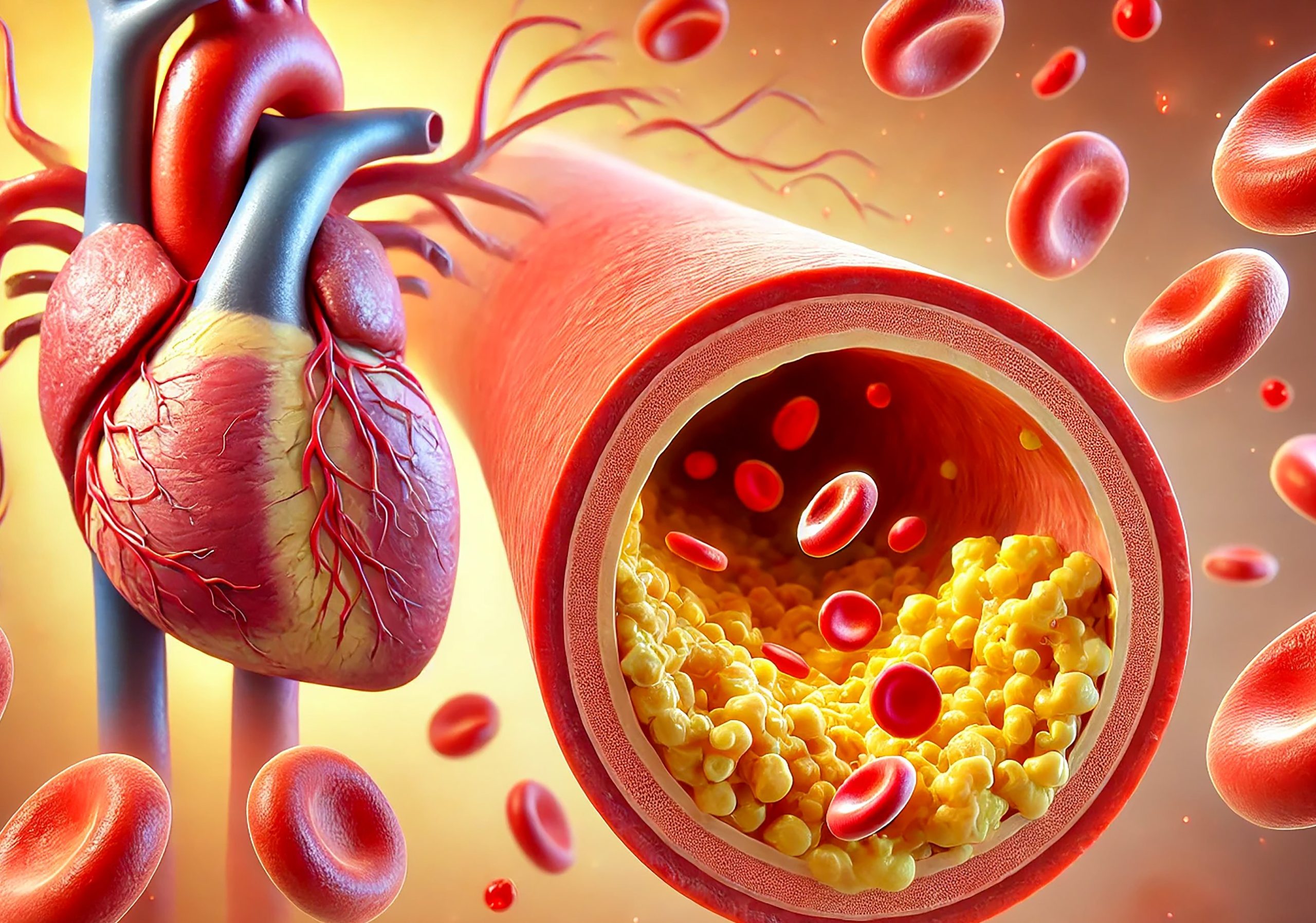
Cholesterol is often discussed during routine health checkups, yet many people remain unsure what their numbers mean. Understanding your cholesterol profile is essential for protecting long-term heart health and preventing serious conditions such as heart attack and stroke. This guide provides a clear overview of cholesterol levels explained, including LDL, HDL, and triglycerides — and why each matter.
At Burjeel Hospital Sharjah, our cardiology specialists emphasize that knowing your numbers is the first step toward preventing cardiovascular disease.
What is Cholesterol?
Cholesterol is a waxy, fat-like substance found in your blood. Your body needs it to build cells, produce hormones, and aid digestion. However, too much cholesterol can lead to plaque buildup in arteries, restricting blood flow to the heart and brain.
Cholesterol travels through the bloodstream in particles called lipoproteins, mainly LDL and HDL.
LDL Cholesterol: The “Bad” Cholesterol
LDL (Low-Density Lipoprotein) is commonly referred to as “bad cholesterol” because high levels contribute to plaque formation in arteries — a process known as atherosclerosis.
Why High LDL Is Dangerous
- Narrows and hardens arteries
- Increases risk of heart attack and stroke
- Reduces oxygen supply to vital organs
- Often shows no symptoms until complications occur
Ideal LDL Levels
- Optimal: Less than 100 mg/dL
- Near optimal: 100–129 mg/dL
- High: 160 mg/dL or above
Lower LDL levels are generally better, especially for individuals with diabetes, hypertension, or existing heart disease.
HDL Cholesterol: The “Good” Cholesterol
HDL (High-Density Lipoprotein) is known as good cholesterol because it helps remove excess cholesterol from the bloodstream and transports it back to the liver for disposal.
What is Good Cholesterol and Why It Matters
HDL protects arteries by reducing plaque buildup and lowering cardiovascular risk.
Ideal HDL Levels
- Men: 40 mg/dL or higher
- Women: 50 mg/dL or higher
- Protective level: 60 mg/dL or above
Higher HDL levels are associated with better heart protection.
Triglycerides: The Overlooked Risk Factor
Triglycerides are a type of fat in the blood that stores excess calories from food. While not cholesterol, they play a major role in cardiovascular risk.
Causes of High Triglycerides
- High-sugar or high-carbohydrate diets
- Obesity
- Physical inactivity
- Diabetes
- Excess alcohol intake
- Smoking
Healthy Triglyceride Levels
- Normal: Less than 150 mg/dL
- Borderline high: 150–199 mg/dL
- High: 200 mg/dL or above
Elevated triglycerides combined with low HDL and high LDL significantly increase heart disease risk.
Why Your Cholesterol Numbers Matter for Heart Health
An abnormal lipid profile often develops silently, without noticeable symptoms. Over time, plaque buildup can lead to coronary artery disease, stroke, or peripheral vascular disease.
Risk factors that make cholesterol control especially important include:
- Family history of heart disease
- Diabetes or hypertension
- Smoking
- Sedentary lifestyle
- Obesity
- Age over 40
Regular screening helps detect problems early, allowing for lifestyle changes or medical treatment before complications occur.
How to Improve Your Cholesterol Profile
Lifestyle Changes
- Eat a heart-healthy diet rich in fruits, vegetables, whole grains, and healthy fats
- Reduce saturated and trans fats
- Exercise regularly (at least 150 minutes per week)
- Maintain a healthy weight
- Quit smoking
- Limit alcohol intake
Medical Management
If lifestyle changes are insufficient, doctors may prescribe medications such as statins or other lipid-lowering therapies to reduce cardiovascular risk.
FAQs
1. How often should I check my cholesterol levels?
Adults should have their cholesterol checked every 4–6 years, or more frequently if risk factors are present.
2. Can young people have high cholesterol?
Yes. Genetics, diet, and lifestyle can cause high cholesterol even in young adults.
3. Is high HDL always protective?
Generally yes, but extremely high levels may not always provide additional benefit. A balanced profile is key.
4. Can cholesterol be controlled without medication?
Many people can improve their numbers through diet, exercise, and weight management, though some may still require medication.
5. Do cholesterol problems cause symptoms?
Usually no. Most people feel normal until serious complications develop, which is why routine screening is crucial.
Conclusion
Understanding your cholesterol profile is vital for maintaining lifelong heart health. LDL, HDL, and triglycerides each play a distinct role in cardiovascular risk, and maintaining balanced levels can significantly reduce the chances of heart disease and stroke. Regular testing, healthy lifestyle habits, and timely medical care are the cornerstones of prevention.
Take Charge of Your Heart Health Today
At Burjeel Hospital Sharjah, our team of experienced cardiology specialists offers comprehensive cholesterol screening, personalized risk assessment, and advanced treatment plans tailored to your needs.
Schedule your heart health checkup today and take a proactive step toward a healthier future.
Book an appointment online to consult with our cardiology specialists and keep your cholesterol levels under control.