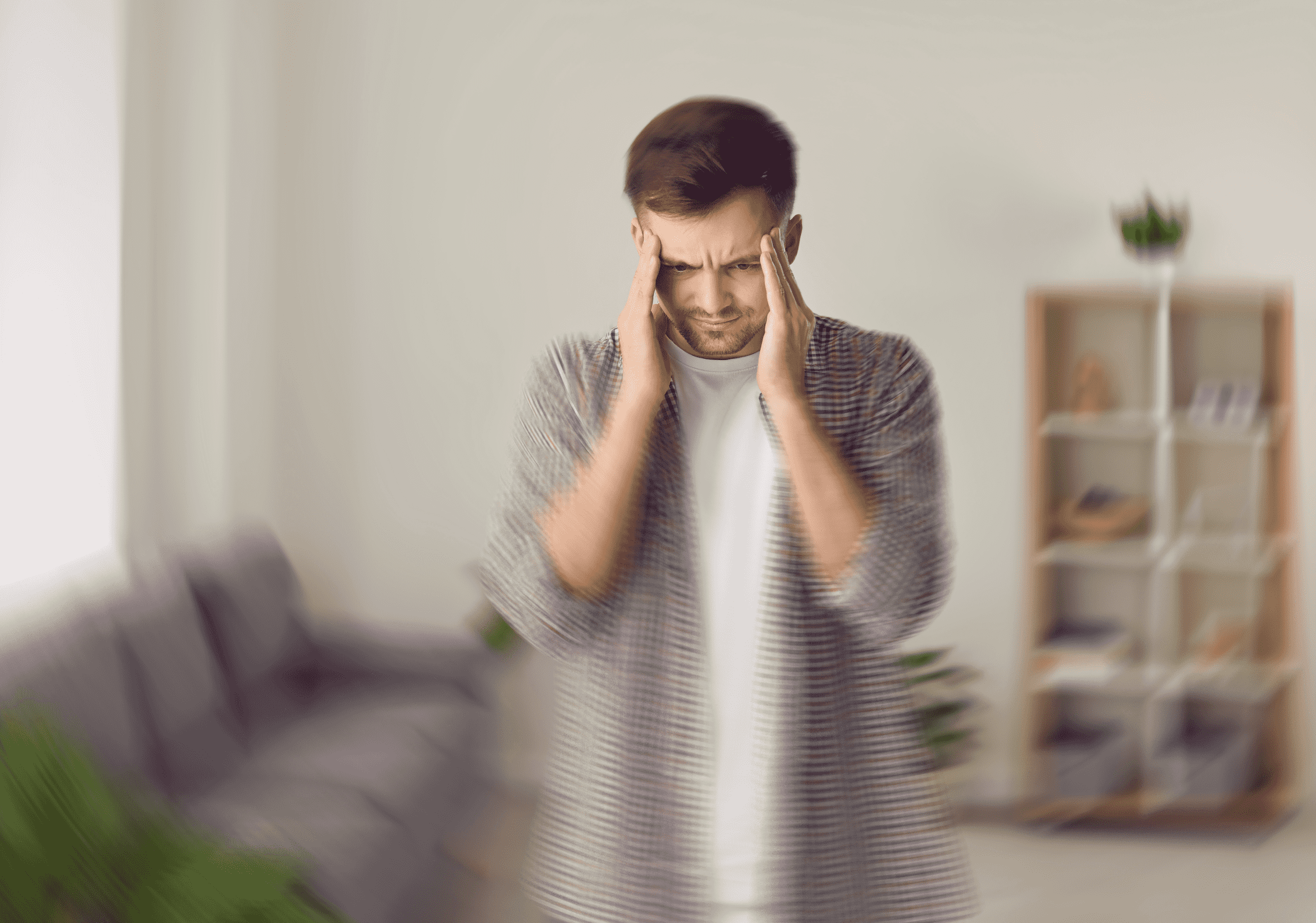
Ear balance problems can significantly affect your quality of life. Dizziness, vertigo, or a feeling of unsteadiness can make even simple daily tasks challenging. But what exactly causes these balance issues, and what can you do to address them?
In this blog, we’ll explore the causes of ear balance issues, the symptoms to watch for, and the available treatments that can restore your stability and confidence.
What Causes Ear Balance Problems?
Your inner ear plays a critical role in maintaining balance. It contains a part called the vestibular system, which helps your brain understand the position of your head and body in space. When this system is disrupted, it can lead to balance problems. Some of the most common causes of ear balance issues include:
1. Benign Paroxysmal Positional Vertigo (BPPV)
BPPV is one of the most common causes of dizziness. It occurs when tiny calcium crystals in the inner ear become dislodged and move into the wrong part of the ear, causing a false sense of motion. This condition is typically triggered by changes in head position, such as looking up or bending over.
2. Meniere’s Disease
Meniere’s disease is a disorder of the inner ear that causes sudden, severe dizziness (vertigo), ringing in the ears (tinnitus), and hearing loss. The exact cause of Meniere’s disease is unknown, but it is believed to be related to fluid buildup in the inner ear.
3. Vestibular Neuritis
Vestibular neuritis is an inflammation of the vestibular nerve, which is responsible for transmitting balance signals from the inner ear to the brain. It is often caused by a viral infection and can result in sudden, severe vertigo.
4. Labyrinthitis
Labyrinthitis is an infection or inflammation of the inner ear’s labyrinth, which contains both the cochlea (responsible for hearing) and the vestibular system (responsible for balance). This condition can cause vertigo, hearing loss, and a loss of balance.
5. Ear Infections
Infections in the ear, such as otitis media or inner ear infections, can lead to dizziness and balance problems. These infections can affect the function of the vestibular system, leading to issues with balance and coordination.
6. Age-Related Changes
As we age, the structures in the inner ear that are responsible for balance can deteriorate. Age-related hearing loss and changes in the vestibular system can contribute to balance issues, particularly in older adults.
7. Head Injuries or Trauma
Any trauma or injury to the head can affect the vestibular system, leading to ear balance problems. Concussions or other head injuries can disrupt the normal functioning of the inner ear, resulting in dizziness and unsteadiness.
8. Medications
Certain medications, particularly those that affect the inner ear, such as antibiotics or diuretics, can cause dizziness and balance problems as side effects.
Symptoms of Ear Balance Problems
The symptoms of ear-related balance issues can vary depending on the underlying cause. However, common symptoms to look out for include:
- Dizziness or Vertigo: A sensation that you or your surroundings are spinning.
- Unsteadiness or Loss of Balance: A feeling of instability or difficulty walking.
- Tinnitus (Ringing in the Ears): A constant or intermittent ringing sound in the ears.
- Nausea or Vomiting: Often associated with vertigo, nausea and vomiting can occur due to the discomfort caused by dizziness.
- Hearing Loss: Partial or complete loss of hearing, especially in conditions like Meniere’s disease.
- Sensitivity to Light or Motion: Some patients may feel more discomfort or dizziness when exposed to bright lights or sudden movements.
- Feeling of Fullness in the Ear: A sensation of pressure or fullness in the ear can be a sign of inner ear problems.
Treatments for Ear Balance Problems
At Burjeel Specialty Hospital, Sharjah, we offer a range of effective treatments for ear balance issues, tailored to each patient’s specific condition. Our team of expert ENT specialists is dedicated to providing the best possible care for those suffering from balance problems caused by ear-related disorders.
1. Vestibular Rehabilitation Therapy (VRT)
For patients suffering from conditions like BPPV or vestibular neuritis, vestibular rehabilitation therapy (VRT) is often recommended. VRT involves a series of exercises designed to improve balance and reduce dizziness by helping the brain adapt to the changes in the inner ear. Our specialized physiotherapists guide patients through these exercises to improve stability and coordination.
2. Medication
In cases of infection or inflammation (like vestibular neuritis or labyrinthitis), medications such as antihistamines, anti-nausea drugs, or steroids may be prescribed to reduce symptoms. If the cause is related to Meniere’s disease, medications to control fluid buildup and reduce the frequency of vertigo episodes may be used.
3. Canalith Repositioning Maneuvers
For conditions like BPPV, canalith repositioning maneuvers (such as the Epley maneuver) can help reposition the calcium crystals in the inner ear to their correct location. This simple procedure, performed by a trained professional, can alleviate symptoms of dizziness and vertigo.
4. Surgery
In rare cases, surgery may be required for conditions like Meniere’s disease or persistent BPPV that don’t respond to other treatments. Surgical options include procedures to correct the fluid imbalance in the inner ear or, in severe cases, the removal of the vestibular nerve to prevent vertigo.
5. Hearing Aids or Cochlear Implants
If balance problems are accompanied by hearing loss, hearing aids or cochlear implants may be recommended to improve both hearing and balance. These devices can help restore some of the function of the inner ear and improve overall quality of life.
6. Lifestyle Changes
For people with ear-related balance issues, lifestyle modifications such as avoiding triggers (like rapid head movements), staying hydrated, and managing stress can also help manage symptoms. Our experts can provide personalized recommendations to improve daily function and comfort.
FAQs (Frequently Asked Questions)
Q1: What causes sudden dizziness related to ear balance problems?
Sudden dizziness is often caused by conditions like BPPV, vestibular neuritis, or ear infections. These conditions affect the inner ear, which is responsible for maintaining balance.
Q2: Can ear balance problems be cured?
Yes, ear balance problems can often be treated effectively with medications, physical therapy (like VRT), and lifestyle changes. In some cases, surgery may be necessary.
Q3: How long does it take to recover from ear balance issues?
Recovery time varies depending on the condition. For example, BPPV can be treated in a single session of canalith repositioning maneuvers, while conditions like Meniere’s disease may require ongoing management.
Q4: When should I see a doctor for balance problems?
If you experience persistent dizziness, vertigo, or unsteadiness, it’s important to see a doctor. Seek medical attention immediately if you have sudden hearing loss, severe vertigo, or if your symptoms are interfering with your daily activities.
Q5: Can ear infections cause long-term balance problems?
Ear infections can cause temporary balance issues, but with proper treatment, most people recover fully. In rare cases, untreated infections may lead to long-term balance problems.
Book Your Appointment Today!
If you’re experiencing ear balance problems or any of the symptoms mentioned above, don’t wait. Burjeel Specialty Hospital, Sharjah offers comprehensive diagnostics and expert treatments to help you regain your stability and improve your quality of life. Our team of experienced ENT specialists is here to provide personalized care tailored to your unique needs.
Schedule a consultation with our ENT experts and begin your journey to better balance and health.