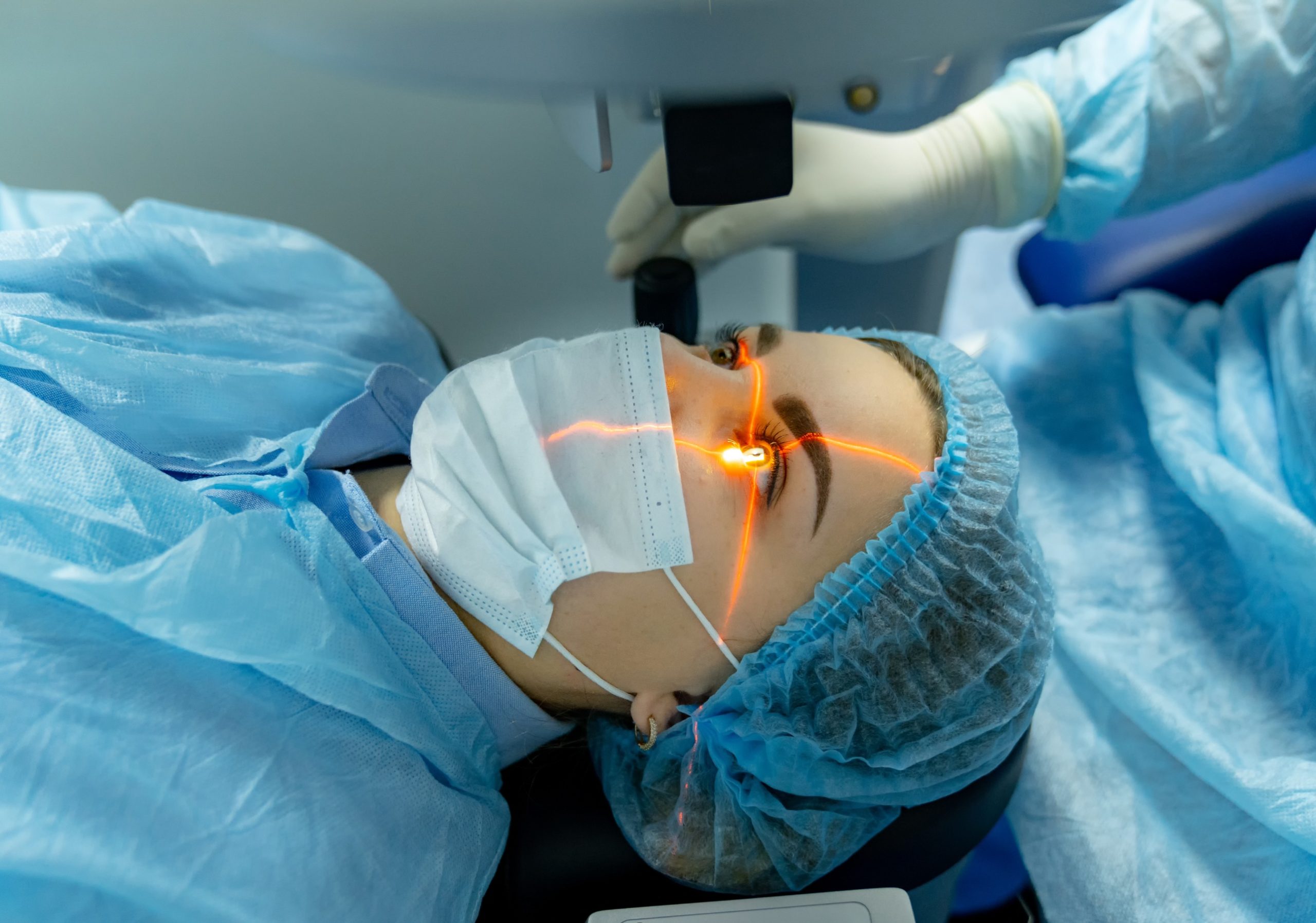
If you rely on glasses or contact lenses, you may have wondered whether vision correction surgery could offer a permanent solution. Advances in technology have made LASIK surgery 2026 safer, more precise, and more personalized than ever before. However, not everyone is an ideal candidate. Understanding LASIK candidacy is essential before considering this form of laser eye surgery.
What is LASIK Surgery?
LASIK (Laser-Assisted In Situ Keratomileusis) is a widely performed refractive procedure that reshapes the cornea using a highly precise laser. By correcting how light focuses on the retina, LASIK can reduce or eliminate dependence on glasses or contact lenses.
Conditions LASIK Can Correct
- Nearsightedness (myopia)
- Farsightedness (hyperopia)
- Astigmatism
Most patients experience rapid visual recovery, often within 24–48 hours, with minimal discomfort.
How LASIK Has Advanced by 2026
Modern laser eye surgery incorporates sophisticated diagnostic tools and laser systems that enhance safety and outcomes.
Key Advances
- Wavefront-guided customization for highly precise vision correction
- Femtosecond laser technology for bladeless procedures
- Improved corneal mapping for better planning
- Reduced risk of complications
- Faster recovery times
These innovations allow surgeons to tailor treatment to each patient’s unique eye structure.
Who is a Good Candidate for LASIK?
Determining LASIK candidacy involves several medical and lifestyle factors. A detailed eye examination is essential before approval for surgery.
Ideal Candidate Criteria
- Age 18 years or older (typically over 21 for stable vision)
- Stable prescription for at least 12 months
- Healthy corneas with adequate thickness
- No active eye infections or diseases
- Not pregnant or breastfeeding
- Realistic expectations about outcomes
Specialists such as Dr. Somar Darweesh carefully evaluate corneal health and retinal status to ensure safety and optimal results.
Who May Not Be Suitable for LASIK?
LASIK is not recommended for everyone. Alternative procedures may be suggested if certain conditions are present.
Possible Contraindications
- Very thin or irregular corneas
- Severe dry eye syndrome
- Advanced glaucoma or cataracts
- Keratoconus or corneal disorders
- Uncontrolled diabetes
- Autoimmune diseases affecting healing
In such cases, other vision correction options like PRK, SMILE, or implantable lenses may be more appropriate.
What to Expect During the Procedure
LASIK is a quick outpatient procedure, usually completed in 15–20 minutes for both eyes.
Procedure Steps
- Numbing eye drops are applied
- A thin corneal flap is created
- Laser reshapes the cornea
- Flap is repositioned without stitches
Patients typically return home the same day and resume most normal activities within a few days.
Benefits of LASIK Surgery
- Reduced or eliminated need for glasses or contacts
- Long-lasting vision correction
- Quick recovery
- Minimal discomfort
- High success and satisfaction rates
For many individuals, LASIK significantly improves quality of life and daily convenience.
FAQs
1. Is LASIK surgery safe in 2026?
Yes. With modern technology and experienced surgeons, LASIK is considered one of the safest elective procedures.
2. How long do LASIK results last?
Results are typically permanent, though age-related vision changes (such as presbyopia) may occur later in life.
3. Does LASIK hurt?
No. Numbing drops prevent pain during the procedure, and discomfort afterward is usually mild and temporary.
4. How soon can I return to work?
Many patients resume normal activities within 1–3 days, depending on their job and recovery.
5. Can both eyes be treated at the same time?
Yes. LASIK is commonly performed on both eyes during the same session.
Conclusion
LASIK surgery 2026 offers a highly effective solution for many people seeking freedom from glasses and contact lenses. However, successful outcomes depend on proper patient selection, detailed evaluation, and expert care. Understanding your suitability for laser eye surgery ensures that you receive the safest and most appropriate treatment for your vision needs.
If you are considering vision correction surgery, a professional consultation is the best way to determine whether LASIK is right for you.
Take the First Step Toward Clear Vision
At Burjeel Hospital Sharjah, advanced ophthalmology services combine cutting-edge technology with expert care. Comprehensive LASIK assessments are conducted by experienced specialists, including Dr. Somar Darweesh, Specialist Ophthalmology – Cornea and Vitreoretinal Surgeon.
Book your consultation today and discover whether you are a candidate for life without glasses or contact lenses.