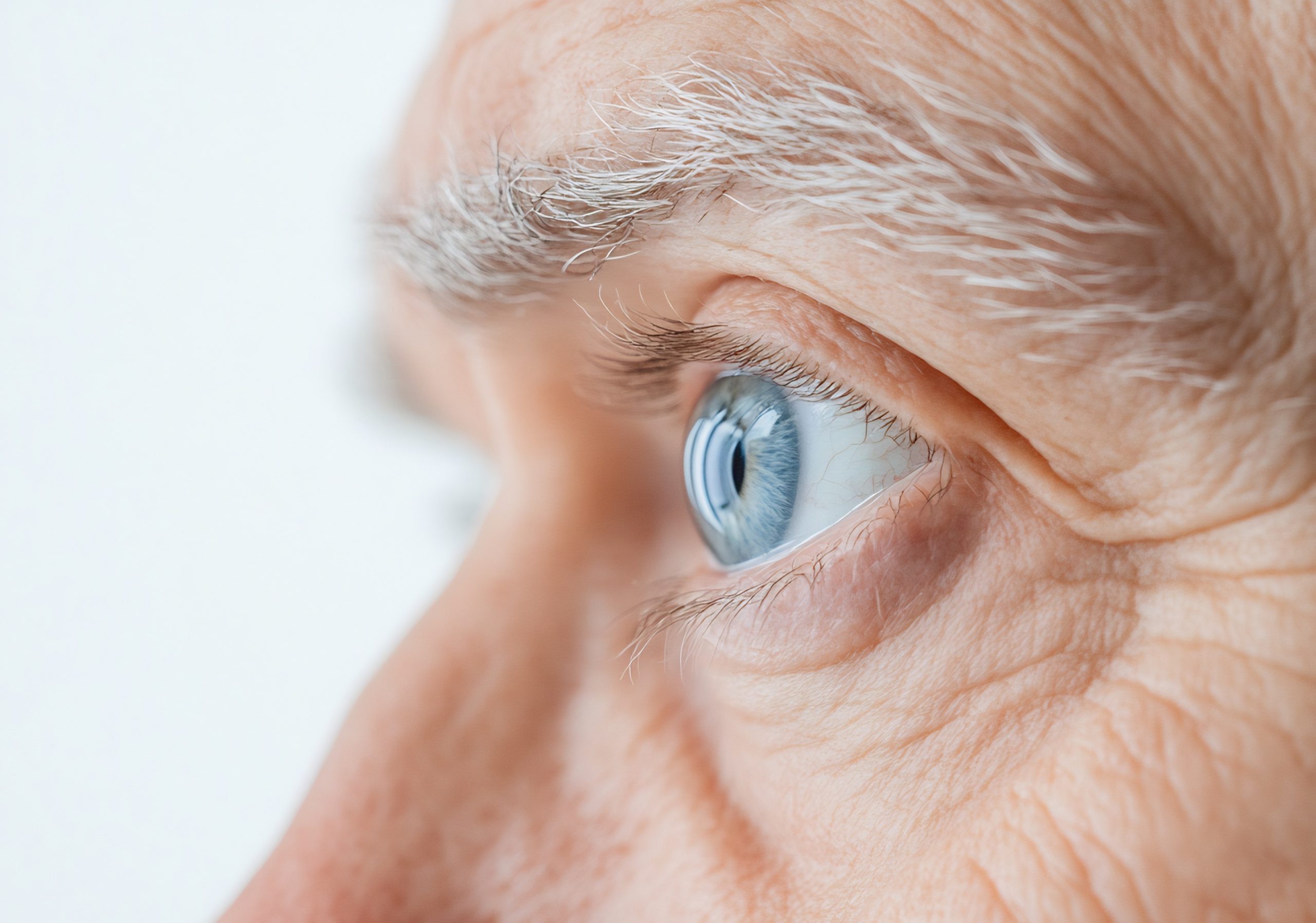
Vision problems can affect daily life in subtle or significant ways, especially when caused by common eye conditions like cataracts and glaucoma. While both are leading causes of visual impairment worldwide, they are very different diseases that require distinct approaches to diagnosis and treatment. Understanding cataracts vs glaucoma is essential for early detection, timely care, and long-term eye health.
This blog provides awareness on the differences in cataracts and glaucoma because early intervention can prevent avoidable vision loss.
What is Cataract?
A cataract is the clouding of the eye’s natural lens, which lies behind the iris and pupil. Normally, this lens is clear and helps focus light onto the retina. Over time—most commonly due to aging—the lens becomes cloudy, causing blurred or dim vision.
Common Symptoms of Cataracts
- Blurry or hazy vision
- Sensitivity to light and glare
- Difficulty seeing at night
- Colors appearing faded or yellowed
- Frequent changes in eyeglass prescription
- Seeing halos around lights
Cataracts typically develop slowly and affect both eyes, though not always at the same rate. They are one of the most treatable causes of vision problems, with surgery offering excellent outcomes.
What is Glaucoma?
Glaucoma is a group of eye diseases that damage the optic nerve, usually due to increased pressure inside the eye (intraocular pressure). Unlike cataracts, glaucoma often progresses silently and can cause permanent vision loss if untreated.
Common Symptoms of Glaucoma
Early stages may show no symptoms. As the disease progresses:
- Gradual loss of peripheral (side) vision
- Tunnel vision in advanced stages
- Eye pain (in acute cases)
- Headaches
- Nausea and vomiting (acute angle-closure glaucoma)
- Blurred vision or halos around lights
Because glaucoma damage is irreversible, early detection through routine eye exams is critical.
Cataracts vs. Glaucoma: Key Differences
Understanding the eye disease comparison between these two conditions can help patients seek the right treatment promptly.
| Feature | Cataracts | Glaucoma |
| Affected Structure | Eye lens | Optic nerve |
| Cause | Lens clouding | Optic nerve damage, often from high eye pressure |
| Vision Loss | Blurry, cloudy vision | Loss of peripheral vision first |
| Pain | Usually painless | Usually painless (except acute types) |
| Reversibility | Vision can be restored with surgery | Vision loss is permanent |
| Onset | Gradual | Often silent until advanced |
Who is at Risk?
Cataract Risk Factors
- Aging
- Diabetes
- Smoking
- Prolonged UV exposure
- Long-term steroid use
- Eye injuries
Glaucoma Risk Factors
- Family history of glaucoma
- High intraocular pressure
- Age over 40
- Diabetes and hypertension
- Thin corneas
- Long-term steroid use
If you have any of these risk factors, regular eye screenings are highly recommended.
Diagnosis and Treatment Options
Cataract Treatment
Early cataracts may be managed with updated glasses and improved lighting. However, the definitive treatment is cataract surgery, where the cloudy lens is replaced with a clear artificial intraocular lens (IOL). It is a safe, quick procedure with high success rates.
Glaucoma Treatment
Treatment aims to lower eye pressure and prevent further optic nerve damage. Options include:
- Prescription eye drops
- Oral medications
- Laser therapy
- Minimally invasive glaucoma surgery (MIGS)
- Traditional surgery in advanced cases
Unlike cataracts, glaucoma treatment cannot restore lost vision but can preserve remaining sight.
FAQs
1. Can cataracts turn into glaucoma?
No. Cataracts and glaucoma are separate conditions, though a person can have both simultaneously.
2. Which is more dangerous: cataracts or glaucoma?
Glaucoma is generally more dangerous because vision loss is permanent, and symptoms often appear late.
3. Is cataract surgery safe for glaucoma patients?
Yes, treatment plans should be individualized by an ophthalmologist.
4. At what age should I start screening for glaucoma?
Routine screening is recommended from age 40, or earlier if you have risk factors.
5. Can lifestyle changes prevent these conditions?
Healthy habits—such as managing diabetes, protecting eyes from UV light, and regular check-ups—can reduce risk and support eye health.
Conclusion
When comparing cataracts vs glaucoma, the key difference lies in reversibility. Cataracts cause cloudy vision that can usually be restored with surgery, while glaucoma damages the optic nerve and leads to irreversible vision loss. Both conditions are common, especially with aging, making regular eye examinations essential for early detection.
If you experience persistent vision problems, blurred sight, or difficulty seeing clearly, do not delay seeking medical advice.
Protect Your Vision with Expert Eye Care
At Burjeel Hospital Sharjah, advanced ophthalmology services provide comprehensive screening, precise diagnosis, and personalized treatment for cataracts, glaucoma, and other eye conditions — led by experienced specialists including Dr. Somar Darweesh, Specialist Ophthalmology – Cornea and Vitreoretinal Surgeon.
Schedule your appointment online to consult with our expert eye specialists. Early care can make all the difference.