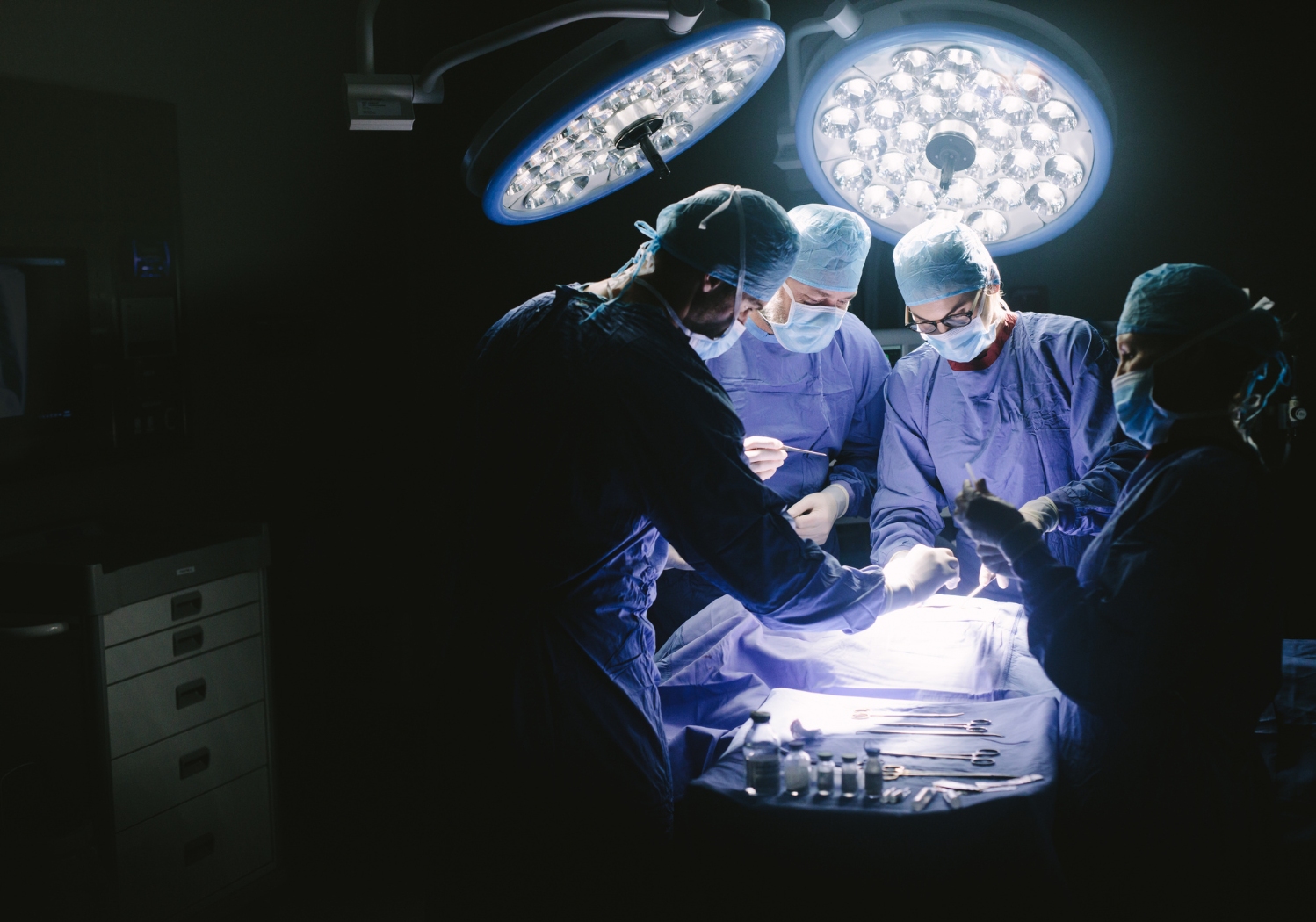
Treatment is rarely a matter of choosing between medication and surgery. In proctology, the approach can change considerably depending on the condition, how far it has progressed and how it responds to initial management.
For a patient, this can sometimes make treatment options feel more complicated than expected. But that flexibility is intentional. The aim is to treat the condition appropriately while considering symptom relief, function, recovery and long-term outcomes.
Does Every Proctology Condition Need Surgery?
Not necessarily. Many common anorectal conditions can initially be managed without an operation.
Conservative care may include improving bowel habits, increasing dietary fiber, maintaining hydration and reducing straining. Depending on the condition, topical or prescription medication may also be recommended.
Current hemorrhoid guidelines distinguish between non-operative, office-based and operative treatment according to the individual presentation.
When Can Proctology Conditions Be Managed Without Surgery?
For uncomplicated hemorrhoids and many acute anal fissures, improving stool consistency and bowel habits can be an important part of treatment.
Fiber, adequate fluids and stool-softening measures can help reduce straining. For anal fissures, topical medications may also be prescribed to reduce sphincter spasm and support healing.
For appropriate patients, these measures may be the treatment itself rather than simply a step before surgery.
When Are Procedures Considered for Hemorrhoids?
When symptoms persist despite conservative measures, or when hemorrhoidal disease is more advanced, procedural treatment may be considered.
Options range from office-based treatments such as rubber band ligation to operative procedures for selected patients with significant disease or prolapse. The choice depends on factors including hemorrhoid grade, symptoms, external involvement and previous treatment response.
This is why hemorrhoid treatment Abu Dhabi, piles laser therapy UAE and laser hemorrhoidoplasty Reem should be considered in the context of the patient’s condition rather than as interchangeable solutions.
How Are Anal Fissures and Fistulas Treated?
Although both affect the anal region, their treatment principles differ.
Persistent anal fissures may require medications, botulinum toxin or lateral internal sphincterotomy in selected cases.
With an anal fistula, treatment must address the fistula tract while protecting sphincter function. Depending on its anatomy, options may include fistulotomy, seton placement or sphincter-preserving procedures such as LIFT.
What Determines the Right Treatment?
A proctology specialist considers more than the diagnosis alone. Treatment planning may consider:
- Type and severity of the condition
- Impact of symptoms on daily life
- Examination and investigation findings
- Previous treatment and response
- Recurrence or persistence
- Overall health and relevant risk factors
- Anal sphincter anatomy and function
This allows treatment to be selected around the patient rather than around a single procedure.
What Does Recovery Look Like After Proctology Treatment?
Recovery varies according to the condition and procedure. Pain management, bowel care, hydration, dietary guidance, activity and follow-up may all form part of the recovery plan.
For appropriately selected procedures, day-surgery care can allow treatment and discharge within the same day, with recovery continuing at home under structured follow-up. Burjeel Reem supports minimally invasive and day-care procedures where appropriate, alongside enhanced recovery pathways.
Proctology and Colorectal Treatment at Burjeel Day Surgery Center, Al Reem
At Burjeel Day Surgery Center, Al Reem, our experienced Proctology Team provides specialist care across a broad range of anorectal and colorectal conditions, with evidence-based treatment approaches, minimally invasive and day-care procedures where appropriate, and privacy and patient dignity maintained throughout the patient journey.
Speak with our Proctology Team to understand your condition and explore the treatment options available to you.
Frequently Asked Questions (FAQs)
No. Many common anorectal conditions can initially be managed without an operation. Conservative care may include improving bowel habits, increasing dietary fiber, maintaining hydration, reducing straining and, depending on the condition, topical or prescription medication.
For uncomplicated hemorrhoids and many acute anal fissures, improving stool consistency and bowel habits is an important part of treatment. Fiber, adequate fluids and stool-softening measures help reduce straining, and topical medications may be prescribed for anal fissures to reduce sphincter spasm and support healing.
Procedural treatment may be considered when symptoms persist despite conservative measures, or when hemorrhoidal disease is more advanced. Options range from office-based treatments such as rubber band ligation to operative procedures for selected patients, depending on hemorrhoid grade, symptoms, external involvement and previous treatment response.
Persistent anal fissures may require medications, botulinum toxin or lateral internal sphincterotomy in selected cases. An anal fistula needs treatment of the fistula tract while protecting sphincter function, and options may include fistulotomy, seton placement or sphincter-preserving procedures such as LIFT.
Treatment planning considers more than the diagnosis alone. It may take into account the type and severity of the condition, the impact of symptoms on daily life, examination and investigation findings, previous treatment and response, recurrence, overall health and anal sphincter anatomy and function.
Recovery varies according to the condition and procedure. Pain management, bowel care, hydration, dietary guidance, activity and follow-up may all form part of the recovery plan, with structured follow-up continuing at home.
For appropriately selected procedures, day-surgery care can allow treatment and discharge within the same day. Burjeel Day Surgery Center, Al Reem supports minimally invasive and day-care procedures where appropriate, alongside enhanced recovery pathways.
Not necessarily. Hemorrhoid treatment in Abu Dhabi, including options such as piles laser therapy and laser hemorrhoidoplasty, should be considered in the context of the patient’s condition rather than as interchangeable solutions. A proctology specialist can advise which approach suits you.
Our experienced Proctology Team provides specialist care across a broad range of anorectal and colorectal conditions, with evidence-based treatment approaches, minimally invasive and day-care procedures where appropriate, and privacy and patient dignity maintained throughout the patient journey.
Book Your Proctology Consultation
Understanding your options is the first step towards the right treatment. Whether your symptoms are new, persistent or recurring, our proctology specialist at Burjeel Day Surgery Center, Al Reem can assess your condition and guide you towards the most appropriate care, in a private and dignified setting.
Book your appointment with our proctology specialist today