Thyroid surgery is a procedure to remove part or all of the thyroid gland, depending on the reason for surgery and the patient’s condition. It may be recommended for thyroid cancer, a large goiter causing swallowing or breathing difficulty, selected cases of hyperthyroidism, or suspicious thyroid nodules.
This article explains what the thyroid gland does, when surgery may be necessary, the difference between partial and total thyroidectomy, how patients are assessed before surgery, and what to expect after the procedure, especially for patients in Al Dhafra, Abu Dhabi, and nearby areas such as Madinat Zayed, Ruwais, Ghayathi, Liwa, and Al Sila.
Medical Disclaimer: This article is for educational purposes only and does not replace medical consultation. The decision to have thyroid surgery depends on the diagnosis, blood tests, imaging, biopsy results, symptoms, and assessment by the surgeon and endocrinologist when needed.
What is the Thyroid Gland and What Does It Do?
The thyroid is a small butterfly-shaped gland located at the front of the neck. It produces hormones that help regulate important body functions such as metabolism, energy, heart rate, and temperature.
A problem with thyroid function or size may cause different symptoms and may require medication, monitoring, radioactive iodine, or surgery depending on the condition.
What is Thyroid Surgery?
Thyroid surgery, also called thyroidectomy, is an operation to remove part, most, or all of the thyroid gland. It may be partial, such as removal of one thyroid lobe, or total, where all or most of the gland is removed.
The type of surgery depends on the reason for the procedure, the size of nodules or goiter, biopsy results, suspicion or diagnosis of cancer, and whether the thyroid is affecting breathing, swallowing, or hormone production.
Does Every Thyroid Nodule Need Surgery?
No. Many thyroid nodules are benign and do not need surgery. They may be monitored with examination, blood tests, ultrasound, or fine needle biopsy depending on the doctor’s assessment.
Surgery may become an option if the nodule is suspicious, large, causing pressure symptoms such as swallowing or breathing difficulty, or producing excess thyroid hormone.
When is Thyroid Surgery Necessary?
A doctor may recommend thyroid surgery in specific situations, including:
- Thyroid cancer or strong suspicion of cancer cells.
- A suspicious thyroid nodule or inconclusive biopsy result.
- A large goiter causing swallowing or breathing difficulty.
- A nodule or goiter compressing the windpipe or esophagus.
- Hyperthyroidism when medication or radioactive iodine is not suitable or does not achieve the desired result.
- A nodule or goiter causing significant symptoms or cosmetic concern based on medical assessment.
- Recurrent thyroid cysts or lumps after treatment or follow-up.
Symptoms That May Require Thyroid Evaluation
Some thyroid problems do not cause obvious symptoms at first, but certain signs should prompt medical evaluation, such as:
- A lump or swelling in the front of the neck.
- Difficulty swallowing or a feeling of pressure in the throat.
- Breathing difficulty, especially when lying flat in some cases of large goiter.
- Voice change or hoarseness.
- Symptoms of hyperthyroidism such as palpitations, weight loss, sweating, anxiety, or tremor.
- Rapid growth of a nodule or swelling.
- Family history or risk factors related to thyroid disease or thyroid tumors.
When are Thyroid Symptoms an Emergency?
Most thyroid conditions are not emergencies, but urgent care is needed if there is severe breathing difficulty, rapid painful neck swelling, severe swallowing difficulty, or sudden worsening of general condition.
After thyroid surgery, seek urgent care if there is sudden neck swelling, breathing difficulty, bleeding, muscle cramps, marked tingling around the mouth or hands, or severe hoarseness that does not improve.
How are Thyroid Problems Diagnosed Before Surgery?
Evaluation usually begins with a clinical examination and review of symptoms and medical history. The doctor may request thyroid function tests, neck ultrasound, fine needle biopsy for suspicious nodules, or additional tests depending on the case.
In some situations, assessment by an endocrinologist or vocal cord evaluation may be needed before surgery, especially if there is hoarseness or previous neck surgery.
Types of Thyroid Surgery
The surgeon determines the type of operation based on the diagnosis, size, and location of the thyroid problem. Common types include:
1. Thyroid Lobectomy
This removes one lobe of the thyroid and may be suitable for selected nodules or cases that require final diagnosis or limited treatment.
2. Total Thyroidectomy
This removes all or most of the thyroid gland and may be used for some thyroid cancers, large goiters, or hyperthyroidism depending on medical assessment.
3. Lymph Node Removal When Needed
In some thyroid cancer cases or when spread is suspected, the surgeon may remove selected lymph nodes in the neck.
Can Thyroid Problems Be Treated Without Surgery?
Yes. Many thyroid conditions can be managed or monitored without surgery. Options may include regular follow-up, thyroid medications, treatment of hyperthyroidism with medication or radioactive iodine, or monitoring benign nodules with ultrasound.
Surgery becomes more important when there is suspected cancer, compressive goiter, symptoms affecting breathing or swallowing, or when other treatments are not suitable or effective.
How to Prepare for Thyroid Surgery?
Before surgery, the doctor reviews blood tests, imaging, biopsy results, medications, and medical history. Thyroid hormone levels may need to be controlled before surgery, especially in hyperthyroidism.
The medical team will explain fasting instructions, medications to stop or adjust, anesthesia assessment, and whether additional tests such as vocal cord examination or calcium level testing are needed.
What Happens During Thyroid Surgery?
Thyroid surgery is usually performed under general anesthesia. The surgeon makes an incision at the front of the neck, often along a natural skin crease to make the scar less visible, then carefully removes the required part of the gland while protecting the voice nerves and parathyroid glands as much as possible.
In some cases, a small drain may be placed after surgery, depending on the patient’s condition and the surgeon’s assessment.
What to Expect After Thyroid Surgery?
After surgery, breathing, voice, pain, the incision, and calcium levels may be monitored as needed. Some patients may have mild neck discomfort, temporary swallowing difficulty, or temporary hoarseness.
If the entire thyroid is removed, the patient will usually need daily thyroid hormone replacement medication. If only part of the thyroid is removed, the remaining thyroid tissue may produce enough hormone in some patients.
Recovery After Thyroid Surgery
Recovery time varies depending on the type of surgery and patient condition. Some patients gradually return to light activities within a short period, while avoiding strenuous effort or heavy lifting until the doctor allows it.
It is important to follow instructions for wound care, medications, follow-up appointments, and hormone or calcium blood tests if requested by the doctor.
When Should You Contact the Doctor After Thyroid Surgery?
Contact your doctor or seek urgent care if you notice any of the following after surgery:
- Breathing difficulty or rapid neck swelling.
- Bleeding or discharge from the incision.
- Fever.
- Increase in pain severity or pain that does not improve with medication.
- Severe or persistent hoarseness.
- Tingling around the mouth or fingers, or muscle cramps, which may suggest low calcium.
- Increasing redness or swelling around the incision.
- Severe dizziness or worsening general condition.
When Should You See a General Surgeon for Thyroid Surgery?
If you have neck swelling, a thyroid nodule, difficulty swallowing or breathing, voice changes, or have been told that a thyroid nodule is suspicious, it is advisable to see a general surgeon for evaluation and planning, in coordination with other specialties when needed.
The General and Laparoscopic Surgery Department at Burjeel Day Surgery Centre – Al Dhafra evaluates surgical cases that may need intervention, including thyroid surgery, by reviewing symptoms, investigations, imaging, and biopsy results when available.
The department’s services include laparoscopic surgeries, hernia repair, appendectomy, gallbladder removal, thyroid surgery, breast surgery, wound care, and emergency surgical care.
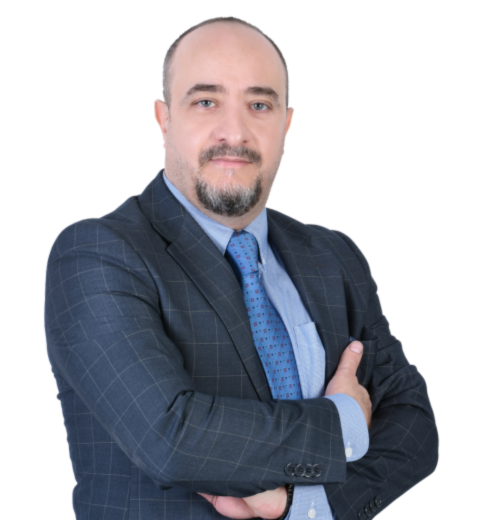
Dr. Ayham Saied Alhajali, Specialist General Surgery, evaluates surgical cases within the General Surgery Department at Burjeel Al Dhafra. His experience includes general surgery, thyroid surgery, breast surgery, laparoscopic surgery, and day surgery procedures.
Frequently Asked Questions
Like any surgery, thyroid surgery has possible risks, but it is commonly performed when there is a clear medical reason. The doctor discusses benefits and risks based on each patient’s condition.
No. Many nodules are benign and only need follow-up. Surgery may be needed if the nodule is suspicious, large, causing pressure symptoms, or producing excess hormones.
It may be necessary for thyroid cancer, suspected cancer, a compressive goiter causing breathing or swallowing difficulty, or hyperthyroidism when medication or radioactive iodine is not suitable or effective.
Partial thyroidectomy removes one lobe or part of the thyroid, while total thyroidectomy removes all or most of the gland. The choice depends on diagnosis, size, and test results.
If the entire thyroid is removed, daily thyroid hormone replacement is usually needed. If only part is removed, some patients may not need lifelong hormone therapy depending on remaining thyroid function.
Temporary hoarseness or voice change may occur because the thyroid is close to the voice nerves. In a small number of cases, voice changes may persist. Your doctor will explain the risks before surgery.
Yes. Many cases can be treated with medication or radioactive iodine. Surgery may be considered when these options are not suitable or do not achieve the desired result.
Recovery varies by surgery type and patient condition. Many patients gradually return to light activities while following medical instructions and avoiding strenuous effort at first.
Seek urgent care for breathing difficulty, rapid neck swelling, bleeding, severe tingling around the mouth or fingers, muscle cramps, fever, or worsening general condition.
Evaluation of surgical thyroid conditions, including thyroid surgery, is available through the General Surgery Department at Burjeel Day Surgery Centre – Al Dhafra. The doctor determines the appropriate plan based on the case.
You should see a general surgeon if you have visible neck swelling, swallowing or breathing difficulty, voice changes, a suspicious thyroid nodule, or a medical recommendation for surgical evaluation.
This depends on the condition and required services. Having general surgery services in Al Dhafra can make evaluation and follow-up easier for residents of Madinat Zayed, Ruwais, Ghayathi, Liwa, and Al Sila.
If you have neck swelling, a thyroid nodule, difficulty swallowing or breathing, or have been advised to consider surgical thyroid evaluation, you can visit the General Surgery Department at Burjeel Day Surgery Centre – Al Dhafra to assess your condition and discuss suitable treatment options.