Colorectal cancer is one of the most common cancers worldwide, yet it is also among the most preventable when detected early through proper screening. Coloscopy is widely considered the most effective method for identifying abnormal growths in the colon and detecting cancer at an early stage.
Many individuals are unsure about the right colonoscopy screening age or when to get a colonoscopy. Understanding the latest colon cancer screening guidelines 2025 can help people make informed decisions about their health and take proactive steps to prevent colorectal cancer.
Regular screening plays a key role in identifying potential issues early, improving treatment outcomes, and reducing the risk of advanced disease.
What is a Colonoscopy?
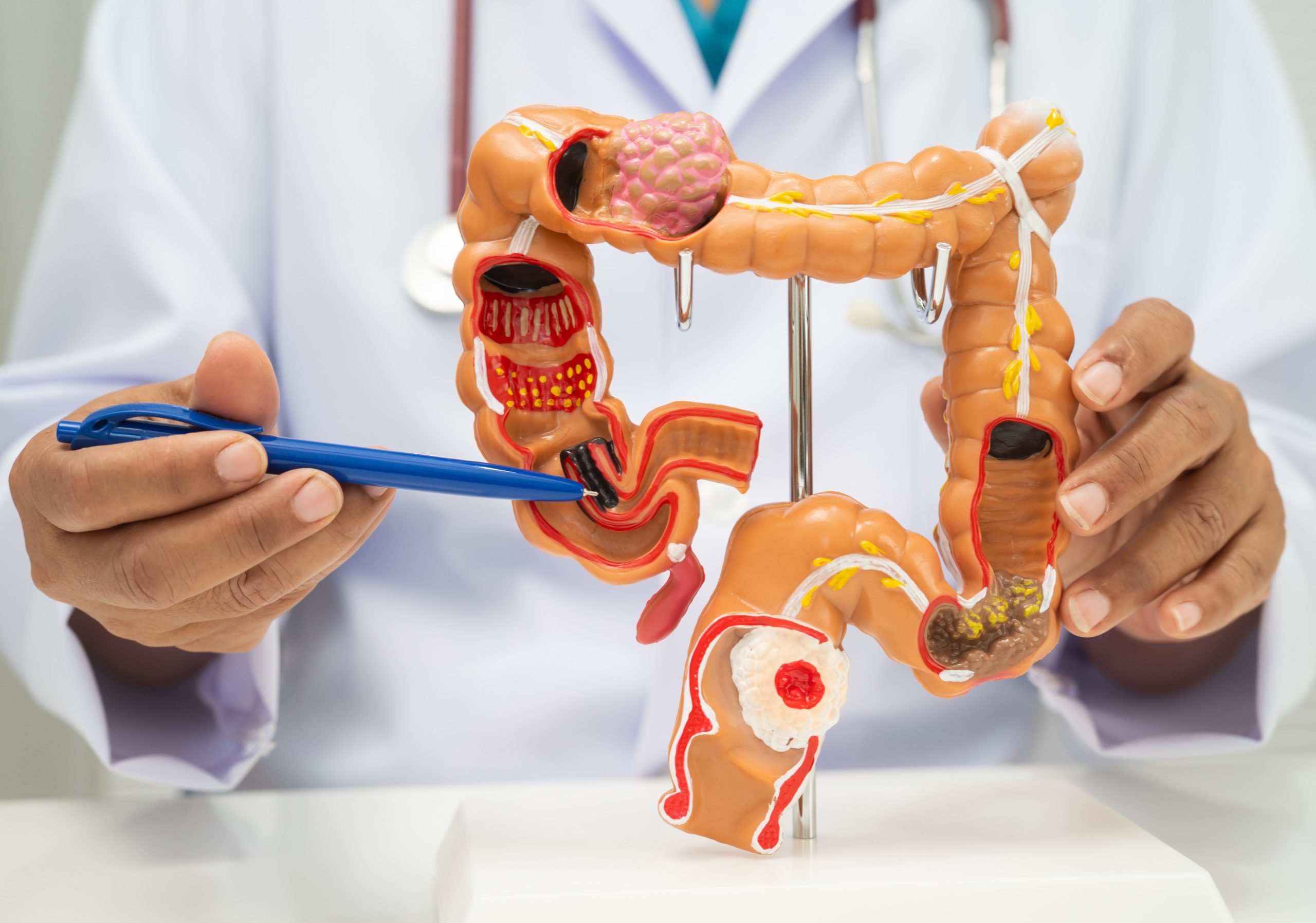
A colonoscopy is a medical procedure used to examine the inner lining of the colon and rectum using a thin, flexible tube equipped with a small camera called a colonoscope.
The procedure allows doctors to detect:
- Precancerous polyps
- Early-stage colorectal cancer
- Inflammation or ulcers in the colon
- Sources of unexplained gastrointestinal bleeding
- Other digestive tract abnormalities
One of the major benefits of colonoscopy is that doctors can remove polyps during the procedure, helping prevent them from developing colorectal cancer.
Why Colonoscopy Screening is Important
Colorectal cancer often develops slowly over time. Many cases begin as small polyps in the colon that may gradually grow and become cancerous if not removed.
Screening helps doctors:
- Detect colorectal cancer in its early stages
- Identify and remove precancerous polyps
- Monitor patients with higher risk factors
- Reduce the likelihood of advanced-stage disease
Following the recommended colon cancer screening guidelines, 2025 significantly improves the chances of early detection and successful treatment.
Colonoscopy Screening Age: When Should You Start?
Knowing the appropriate colonoscopy screening age is essential for preventing colorectal cancer.
According to current colon cancer screening guidelines 2025, individuals with average risk should begin screening at:
Age 45
This updated recommendation reflects the rising number of colorectal cancer cases diagnosed in younger adults.
If the initial colonoscopy results are normal, the next screening is typically recommended every 10 years. However, the screening schedule may vary depending on individual health conditions and risk factors.
Who Should Get a Colonoscopy Earlier?
Some individuals may require colonoscopy screening before age 45 due to higher risk factors.
Earlier screening may be recommended for people who have:
- A family history of colorectal cancer
- A personal history of colon polyps
- Inflammatory bowel diseases such as Crohn’s disease or ulcerative colitis
- Genetic conditions like Lynch syndrome
- Familial adenomatous polyposis (FAP)
In such cases, doctors may advise starting screening 10 years earlier than the age at which a close relative was diagnosed with colorectal cancer.
Symptoms That May Require Immediate Colonoscopy
Although screening is often recommended even before symptoms appear, certain warning signs may require immediate medical evaluation.
These symptoms include:
- Blood in the stool
- Persistent changes in bowel habits
- Chronic constipation or diarrhea
- Unexplained weight loss
- Ongoing abdominal pain or cramping
- Persistent fatigue caused by anemia
If any of these symptoms occur, it is important to seek medical advice promptly.
What Happens During a Colonoscopy?
Coloscopy is a safe and routine procedure performed by trained specialists.
Before the Procedure
Patients follow a bowel preparation process, which includes dietary adjustments and medications to cleanse the colon.
During the Procedure
- The patient is given sedation for comfort
- A colonoscope is inserted through the rectum
- The doctor examines the colon using a camera
- Polyps or abnormal tissue may be removed or biopsied
After the Procedure
Most patients recover quickly and can return home the same day.
Benefits of Colonoscopy Screening
Regular colonoscopy screening offers several important health benefits:
- Early detection of colorectal cancer
- Prevention through removal of precancerous polyps
- Diagnosis of digestive conditions
- Monitoring for individuals at higher risk
Routine screening is one of the most effective ways to reduce the burden of colorectal cancer.
Comprehensive Colorectal Care at Burjeel Specialty Hospital, Sharjah
Burjeel Specialty Hospital, Sharjah provides comprehensive screening, diagnosis, and treatment for colorectal conditions through its Gastroenterology Department and Oncology Department.
The hospital follows a multidisciplinary care approach involving experienced gastroenterologists, colorectal surgeons, medical oncologists, and surgical oncologists who work together to provide accurate diagnosis and personalized treatment.
The Gastroenterology Department plays a vital role in performing advanced diagnostic procedures such as colonoscopy and identifying early signs of colorectal disease. When necessary, colorectal surgeons and oncology specialists collaborate to deliver advanced surgical and medical treatments.
Services include:
- Advanced colonoscopy screening and diagnostics
- Early detection programs for colorectal cancer
- Minimally invasive colorectal surgery
- Chemotherapy and targeted therapy
- Personalized treatment plans tailored to each patient’s needs
This coordinated approach ensures patients receive comprehensive care from screening through treatment and recovery.
When Should You Speak to a Doctor About Screening?
You should consult a doctor about colonoscopy screening if:
- You are 45 years or older
- You have a family history of colorectal cancer
- You experience persistent digestive symptoms
- You have a history of colon polyps or inflammatory bowel disease
A healthcare professional can assess your risk factors and recommend the appropriate screening schedule.
Conclusion
Colonoscopy remains one of the most effective tools for detecting and preventing colorectal cancer. Understanding the recommended colonoscopy screening age, knowing when to get a colonoscopy, and following the colon cancer screening guidelines 2025 can help individuals take proactive steps toward protecting their digestive health.
Routine screening allows doctors to detect abnormalities early and remove precancerous polyps before they develop into cancer.
Burjeel Specialty Hospital, Sharjah provides comprehensive colorectal care through its Gastroenterology Department and Oncology Department, supported by experienced gastroenterologists, colorectal surgeons, medical oncologists, and surgical oncologists who work together to deliver advanced screening and personalized treatment.
Frequently Asked Questions (FAQs)
1. At what age should colonoscopy screening begin?
For individuals at average risk, colonoscopy screening is generally recommended starting at age 45.
2. How often should a colonoscopy be performed?
If the initial colonoscopy is normal, it is typically recommended every 10 years, unless additional risk factors require more frequent monitoring.
3. Is colonoscopy painful?
Most colonoscopies are performed under sedation, making the procedure comfortable and painless for most patients.
4. Can colonoscopy help prevent colon cancer?
Yes. Colonoscopy can identify and remove precancerous polyps, helping prevent the development of colorectal cancer.
5. Are there other screening options besides colonoscopy?
Other screening options include stool-based tests and CT colonography, but colonoscopy remains the most comprehensive screening method.
Schedule Your Colonoscopy Screening
If you are approaching the recommended colonoscopy screening age or wondering when to get a colonoscopy, early screening can help protect your long-term health.
Consult the specialists at Burjeel Specialty Hospital, Sharjah, where experienced gastroenterologists, colorectal surgeons, medical oncologists, and surgical oncologists provide expert evaluation, advanced colonoscopy screening, and personalized colorectal cancer care.
Book your appointment today and take an important step toward early detection and prevention.