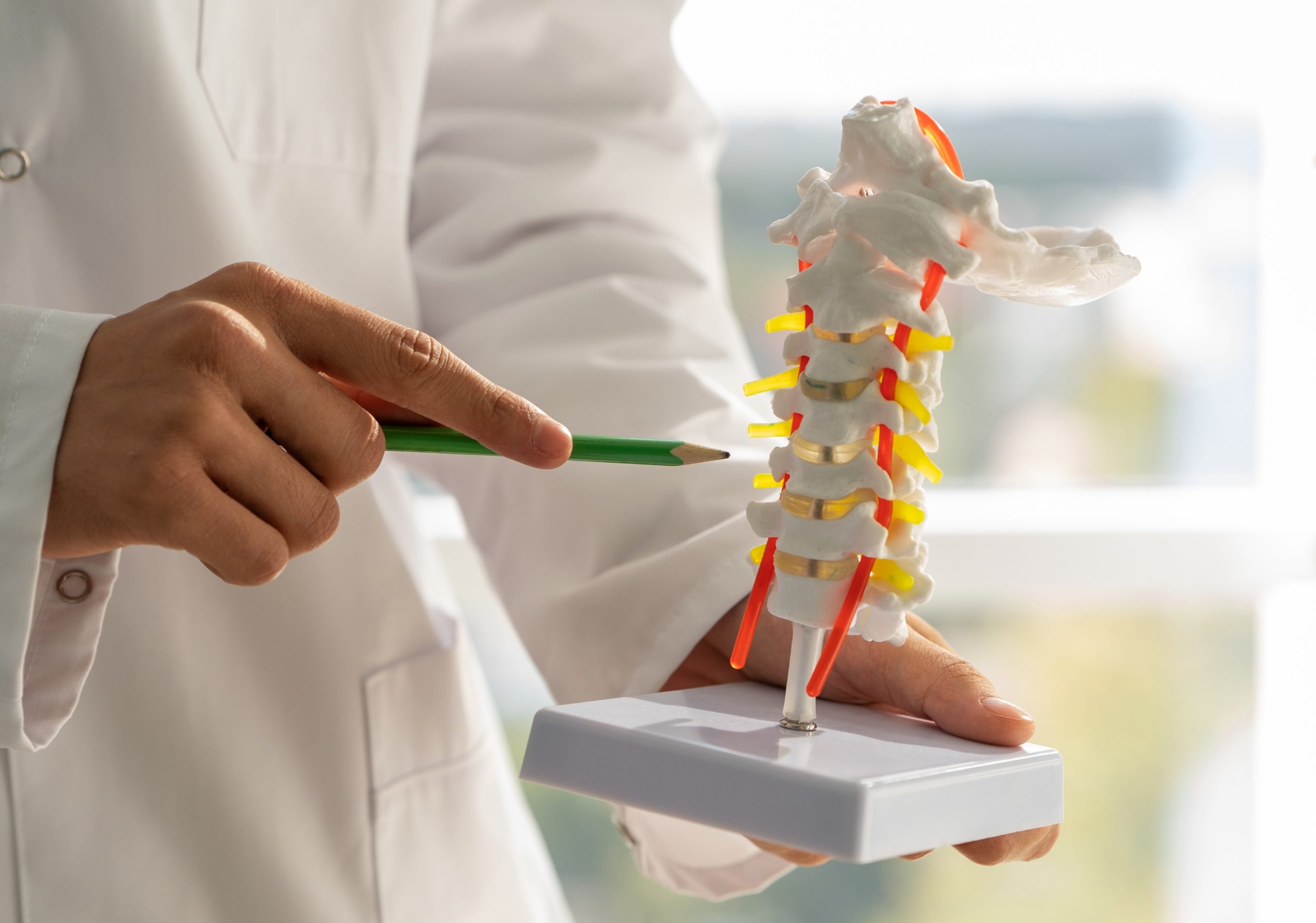
Back pain is one of the most common health complaints worldwide, and a herniated disc is a frequent underlying cause. While many cases improve non-surgical care, some patients continue to experience severe pain, weakness, or nerve symptoms that interfere with daily life. In such situations, herniated disc surgery may be recommended to relieve pressure on nerves and restore function.
What is a Herniated Disc?
The spine is made up of bones (vertebrae) cushioned by soft discs that act as shock absorbers. Each disc has a tough outer layer and a gel-like center. A herniated disc occurs when the inner material pushes through a tear in the outer layer, potentially pressing on nearby nerves.
Common Causes
- Age-related degeneration
- Sudden lifting or twisting injuries
- Poor posture
- Repetitive strain
- Obesity
- Sedentary lifestyle
Herniated discs most often occur in the lower back (lumbar spine) but can also affect the neck (cervical spine).
Symptoms That May Indicate a Herniated Disc
Symptoms depend on the location and severity of nerve compression.
- Persistent back or neck pain
- Pain radiating to arms or legs (sciatica)
- Numbness or tingling
- Muscle weakness
- Difficulty walking or standing
- Reduced range of motion
In severe cases, nerve damage can lead to loss of bowel or bladder control, which requires immediate medical attention.
When Conservative Treatment Isn’t Enough
Most patients improve with non-surgical treatments such as:
- Physical therapy
- Pain medications
- Anti-inflammatory drugs
- Epidural steroid injections
- Activity modification
However, surgery may be considered if symptoms persist despite several weeks to months of treatment.
Indications for Surgery
- Severe or worsening pain
- Progressive muscle weakness
- Significant nerve compression
- Loss of function or mobility
- Symptoms lasting longer than 6–12 weeks
- Emergency conditions such as cauda equina syndrome
Experienced neurosurgeons like Dr. Muhammad Hayek assess neurological deficits and imaging findings to determine the optimal timing for surgery and prevent permanent nerve damage.
Herniated Disc Surgery Options
Modern spine surgery techniques are designed to relieve nerve pressure while preserving spinal stability.
Microdiscectomy
This is the most common procedure for lumbar herniated discs.
- Removes the portion of the disc pressing on the nerve
- Minimally invasive approach
- Small incision
- Faster recovery
- High success rate for leg pain relief
Laminectomy
Part of the vertebral bone (lamina) is removed to create more space for nerves.
- Used when spinal canal narrowing is present
- Relieves pressure from multiple sources
Discectomy
Removal of the damaged disc portion or, in some cases, the entire disc.
Spinal Fusion
Two or more vertebrae are permanently joined to stabilize the spine.
- Used when instability is present
- May follow disc removal
Artificial Disc Replacement
The damaged disc is replaced with a synthetic one, preserving motion in selected patients.
Your surgeon will recommend the most appropriate back pain surgery option based on your condition, overall health, and lifestyle.
Benefits of Surgical Treatment
When indicated, surgery can provide significant relief.
- Reduction or elimination of nerve pain
- Improved mobility and function
- Restoration of strength
- Better quality of life
- Prevention of long-term nerve damage
Many patients experience rapid improvement in leg or arm pain soon after surgery.
Recovery After Spine Surgery
Recovery time varies depending on the procedure and individual health.
Typical recovery expectations:
- Hospital stay of 1–3 days (sometimes outpatient)
- Gradual return to normal activities within weeks
- Physical therapy for strengthening and mobility
- Avoidance of heavy lifting during healing
- Full recovery may take several weeks to months
Following post-operative instructions is crucial for optimal results.
FAQs
1. Is herniated disc surgery safe?
Yes. Modern minimally invasive techniques have high success rates and low complication risks when performed by experienced surgeons.
2. Will surgery completely eliminate back pain?
Surgery is most effective for nerve-related pain (such as sciatica). Some residual back discomfort may persist.
3. How long does the surgery take?
Most procedures take 1–2 hours, depending on complexity.
4. Can a herniated disc recur after surgery?
Yes, though recurrence is relatively uncommon. Proper rehabilitation reduces risk.
5. When can I return to work?
Many patients resume light work within 2–6 weeks, depending on job demands.
Conclusion
While many herniated disc cases respond to conservative care, persistent or severe symptoms may require herniated disc surgery to prevent long-term nerve damage and restore function. Advances in spine surgery have made procedures safer, less invasive, and highly effective. Early evaluation by a specialist ensures timely treatment and the best possible outcome.
If chronic back pain or nerve symptoms are affecting your daily life, professional assessment is essential.
Advanced Spine Care at Burjeel Hospital Sharjah
At Burjeel Hospital Sharjah, the Neurosurgery Department — led by experts including Dr. Muhammad Hayek, Consultant Neurosurgery — offers comprehensive diagnosis and advanced back pain surgery options, using state-of-the-art technology and patient-centered care.
Don’t let persistent pain limit your life.
Book your consultation today to explore the most effective treatment for your condition. Call now or schedule an appointment online with our spine specialists for expert guidance and lasting relief.