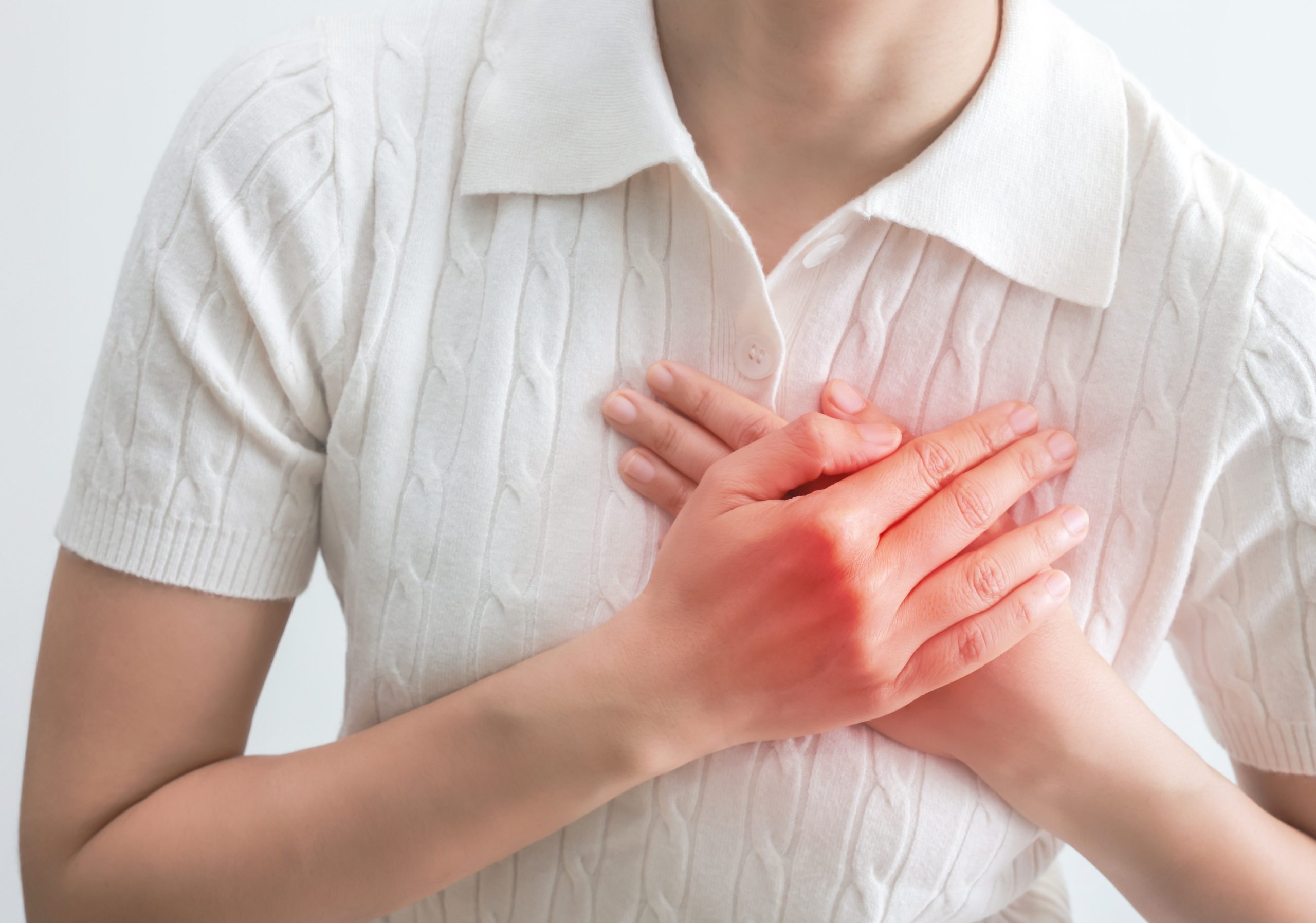
A heart attack is a life-threatening medical event that requires immediate attention. Recognizing heart attack symptoms early can save lives and significantly reduce long-term damage to the heart muscle. Unfortunately, many people delay seeking help, mistaking symptoms for minor issues like indigestion or fatigue. Understanding when symptoms signal a true cardiac emergency is critical for protecting your health.
At Burjeel Hospital Sharjah, cardiology specialists emphasize that timely action — especially calling emergency services — can make the difference between full recovery and serious complications.
What Happens During a Heart Attack?
A heart attack (myocardial infarction) occurs when blood flow to a part of the heart muscle is blocked, usually due to a clot in a coronary artery. Without oxygen, heart tissue begins to die within minutes.
Prompt treatment restores blood flow and limits damage, which is why immediate medical care is essential.
Common Heart Attack Symptoms
While symptoms can vary from person to person, certain warning signs are especially important to recognize.
Chest Pain or Discomfort
Chest pain is the most common symptom. It may feel like:
- Pressure, tightness, or squeezing
- Burning sensation
- Heaviness in the center of the chest
- Pain lasting more than a few minutes or recurring
Not all chest pain is a heart attack, but persistent or severe discomfort should never be ignored.
Pain Radiating to Other Areas
Pain may spread beyond the chest to:
- Left arm (most typical)
- Both arms
- Neck or throat
- Jaw
- Back
- Shoulders
This radiating pain is a hallmark of a cardiac event.
Shortness of Breath
Difficulty breathing may occur with or without chest pain. It can happen suddenly during rest or mild activity.
Other Warning Signs
- Cold sweat
- Nausea or vomiting
- Dizziness or lightheadedness
- Unusual fatigue
- Anxiety or a sense of impending doom
Women, older adults, and people with diabetes may experience atypical symptoms such as fatigue, indigestion-like discomfort, or back pain.
Chest Pain Causes: Not Always a Heart Attack
Understanding different chest pain causes can help, but it is safer to treat unexplained chest pain as an emergency until proven otherwise.
Non-cardiac causes may include:
- Acid reflux or heartburn
- Muscle strain
- Panic attacks
- Lung conditions
- Costochondritis (inflammation of chest wall cartilage)
However, distinguishing these from a heart attack without medical evaluation is difficult. Never attempt self-diagnosis during severe symptoms.
When to Call Emergency Services
Call emergency services immediately if you experience:
- Chest pain lasting more than 5 minutes
- Pain spreading to arm, jaw, or back
- Severe shortness of breath
- Sudden weakness or fainting
- Sweating, nausea, or dizziness with chest discomfort
- Symptoms that worsen or do not improve with rest
Do not drive yourself to the hospital unless absolutely necessary. Emergency responders can begin lifesaving treatment on the way.
Why Immediate Treatment Matters
During a heart attack, “time is muscle.” The longer blood flow is blocked, the greater the damage to the heart.
Early treatment can:
- Restore circulation quickly
- Reduce heart muscle damage
- Prevent complications such as heart failure
- Improve survival rates
- Shorten recovery time
Modern cardiac care, including advanced interventions, can be highly effective when delivered promptly.
Who is at Higher Risk?
Certain individuals should be especially vigilant about symptoms.
Risk factors include:
- High blood pressure
- High cholesterol
- Diabetes
- Smoking
- Obesity
- Sedentary lifestyle
- Family history of heart disease
- Age over 45 for men, 55 for women
Regular health checkups can help identify and manage these risks early.
FAQs
1. Can a heart attack occur without chest pain?
Yes. Some people, especially women and diabetics, may experience shortness of breath, fatigue, or nausea instead.
2. How long do heart attack symptoms last?
Symptoms can persist for minutes to hours and may come and go. Any prolonged or severe symptoms require urgent evaluation.
3. Should I take aspirin during a suspected heart attack?
If advised by a healthcare professional and not allergic, chewing aspirin may help, but calling emergency services is the priority.
4. Can young people have heart attacks?
Yes, particularly if they have risk factors such as smoking, obesity, or genetic predisposition.
5. Is all chest pain dangerous?
Not always, but it should never be ignored until serious causes are ruled out by a doctor.
Conclusion
Recognizing heart attack symptoms and acting quickly can save lives. While there are many possible chest pain causes, persistent or severe discomfort should always be treated as a potential cardiac emergency. Early medical intervention significantly improves outcomes and reduces long-term complications.
If you or someone nearby shows warning signs, do not wait — call emergency services immediately.
Expert Cardiac Care When Every Second Counts
At Burjeel Hospital Sharjah, our experienced cardiology specialists in advanced cardiac emergency services are equipped to provide rapid diagnosis and life-saving treatment for heart attacks and other critical heart conditions.
If you experience warning signs, seek immediate medical help.
For preventive care and heart health screenings, book an appointment with our cardiology specialists today.
Book your consultation online to protect your heart and your future.