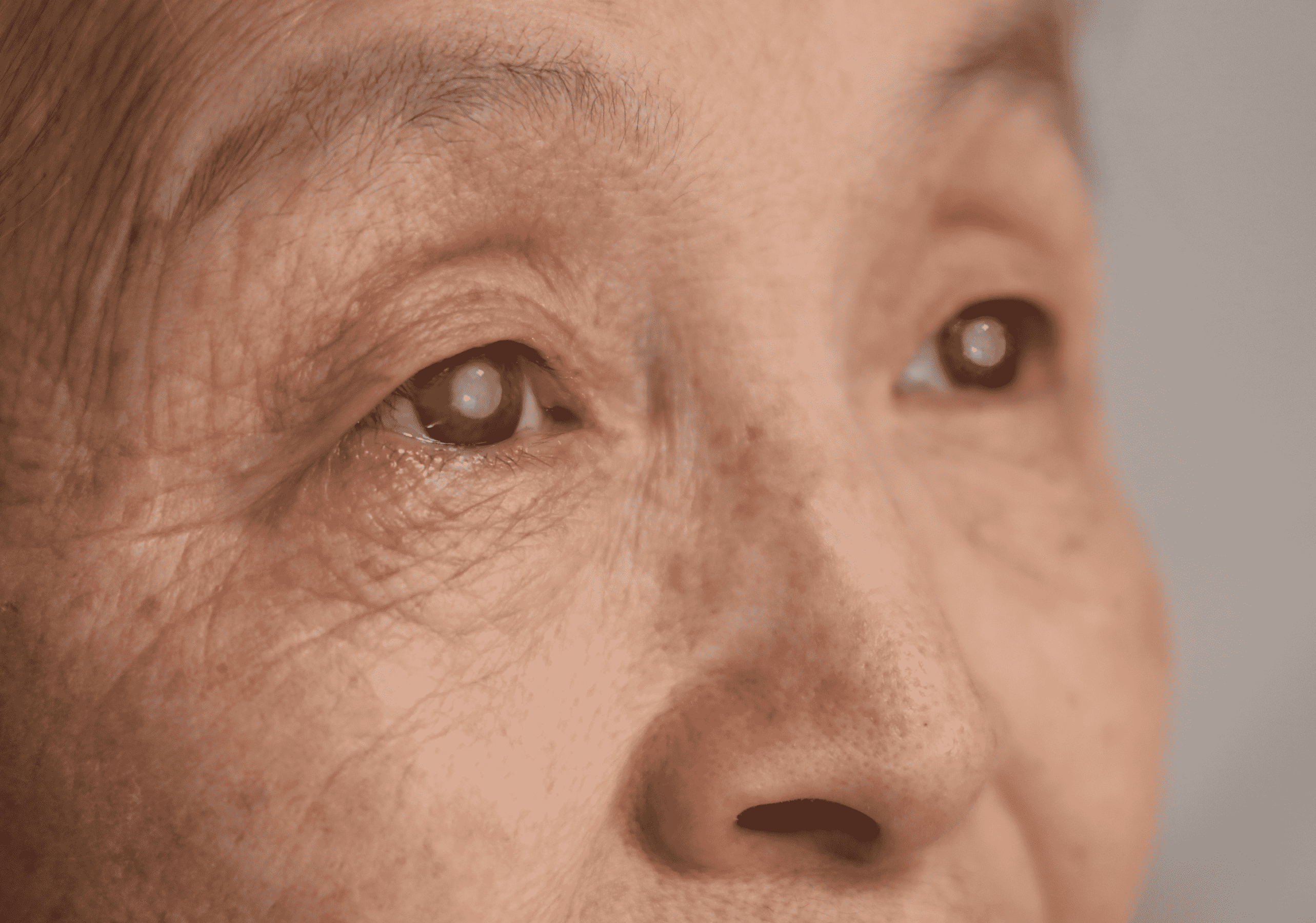
Cataracts are one of the most common causes of vision problems, especially as we age. If you’re experiencing blurred or foggy vision, you might be dealing with a condition known as veil blocking vision, which is often caused by cataracts. In this blog, we’ll explore how cataracts lead to veil blocking vision, the symptoms to look out for, and what you can do about it. We’ll also provide insights from our expert ophthalmologists at Burjeel Specialty Hospital, Sharjah, to guide you toward effective treatment options.
What is Cataract?
A cataract is a clouding of the natural lens inside your eye, which affects the way light passes through to the retina. The lens, which is usually clear, starts to become opaque due to aging, trauma, or other medical conditions like diabetes. This clouding can cause a veil-like effect on your vision, making it difficult to see clearly.
How Cataracts Cause Veil Blocking Vision
When you develop cataracts, the proteins in the lens of your eye begin to break down and form clumps. These clumps scatter light, leading to the characteristic blurry or foggy vision that patients describe as “veil blocking vision.” The condition can progress gradually, leading to a significant loss of clarity, especially in dim light or at night.
Cataracts can affect one eye or both, and depending on the severity, they may interfere with daily activities such as reading, driving, or even recognizing faces. If left untreated, cataracts can significantly impair vision, making it necessary to seek medical help.
Symptoms of Veil Blocking Vision Caused by Cataracts
If you’re wondering whether cataracts might be the cause of your veil blocking vision, here are some common symptoms to look out for:
- Blurred or clouded vision: You might notice that your vision feels hazy or blurry, as if you’re looking through a veil.
- Difficulty seeing at night: Cataracts can cause increased glare from headlights, making night driving dangerous.
- Double vision: In some cases, cataracts can cause double vision or halos around lights.
- Frequent changes in glasses prescription: If your vision changes rapidly, it could be a sign of cataracts progressing.
- Fading or yellowing of colors: Cataracts may affect the way you perceive colors, making them appear dull or yellowed.
What You Can Do About It: Treatment Options for Cataracts
The good news is that cataracts are treatable, and you don’t have to suffer from veil blocking vision. At Burjeel Specialty Hospital, Sharjah, our expert ophthalmologists offer state-of-the-art solutions to restore your vision and improve your quality of life.
1. Comprehensive Eye Examination
The first step in addressing cataracts and veil blocking vision is to have a comprehensive eye examination. Our ophthalmologists use advanced diagnostic tools to assess the severity of your cataracts and determine the best course of action.
2. Prescription Glasses and Lifestyle Adjustments
In the early stages of cataract development, changes to your glasses prescription may help improve your vision. Additionally, adjusting your lighting at home, using magnifying lenses, and avoiding glare can help you manage symptoms.
3. Cataract Surgery
The most effective treatment for cataracts is cataract surgery, a highly safe and commonly performed procedure. During the surgery, the cloudy lens is removed and replaced with an artificial intraocular lens (IOL). This procedure is typically done under local anesthesia and takes about 15 to 30 minutes per eye. Patients usually experience significant improvements in vision within a few days after the surgery.
At Burjeel Specialty Hospital, Sharjah, our expert ophthalmologists specialize in advanced cataract surgery techniques, including phacoemulsification (a minimally invasive method that breaks the cataract into tiny pieces before removal) and laser-assisted cataract surgery, which offers greater precision.
4. Post-Surgery Care
Post-operative care is crucial for a smooth recovery after cataract surgery. Our team will guide you through the recovery process, including advice on avoiding strenuous activities and proper eye care. Most patients experience improved vision within a few days, although full recovery can take a few weeks.
Why Choose Burjeel Specialty Hospital, Sharjah?
At Burjeel Specialty Hospital, we pride ourselves on offering the highest level of care for patients with cataracts and other eye conditions. Our expert ophthalmologists are equipped with cutting-edge technology and techniques to provide personalized treatment that aligns with your needs. With a focus on patient-centered care, we ensure that every aspect of your treatment—from diagnosis to recovery—is handled with the utmost attention to detail and compassion.
Frequently Asked Questions (FAQs)
Q1: What causes cataracts?
Cataracts are primarily caused by the aging process, which leads to changes in the proteins of the lens. Other factors include genetics, diabetes, smoking, prolonged exposure to UV light, and certain medications.
Q2: Is cataract surgery painful?
Cataract surgery is generally not painful, as it is done under local anesthesia. You may feel some pressure during the procedure, but discomfort is minimal. Our team ensures you are comfortable throughout the process.
Q3: How long does recovery take after cataract surgery?
Most patients notice an improvement in their vision within a few days of surgery. Full recovery can take a few weeks, during which you should avoid strenuous activities and follow your ophthalmologist’s instructions carefully.
Q4: Can cataracts come back after surgery?
No, cataracts cannot return after surgery. However, in some cases, a condition called posterior capsule opacification (PCO) may develop, which can cause blurry vision similar to cataracts. This is a treatable condition with a quick, painless laser procedure.
Q5: Can I drive after cataract surgery?
You will need to wait for your ophthalmologist’s approval before resuming driving. Most patients are able to drive within a few days to weeks after surgery, depending on their recovery.
Book Your Consultation Today!
If you’re experiencing veil blocking vision or suspect you might have cataracts, don’t wait—schedule an appointment with our skilled ophthalmologists at Burjeel Specialty Hospital, Sharjah. Our team is here to guide you through the diagnosis and treatment process, helping you regain clear vision and improve your quality of life.