Introduction
If a damaged heart valve is affecting your quality of life, it’s natural to worry about surgery. Fortunately, minimally invasive heart valve surgery offers a much gentler alternative compared to traditional open-heart surgery. At Burjeel Specialty Hospital, Sharjah, our advanced cardiology and cardiac surgery team combines modern techniques with compassionate care — giving patients safe, effective treatment and quicker recovery.
Here’s what you need to know if you or a loved one is considering heart valve surgery.
What Is Minimally Invasive Heart Valve Surgery?
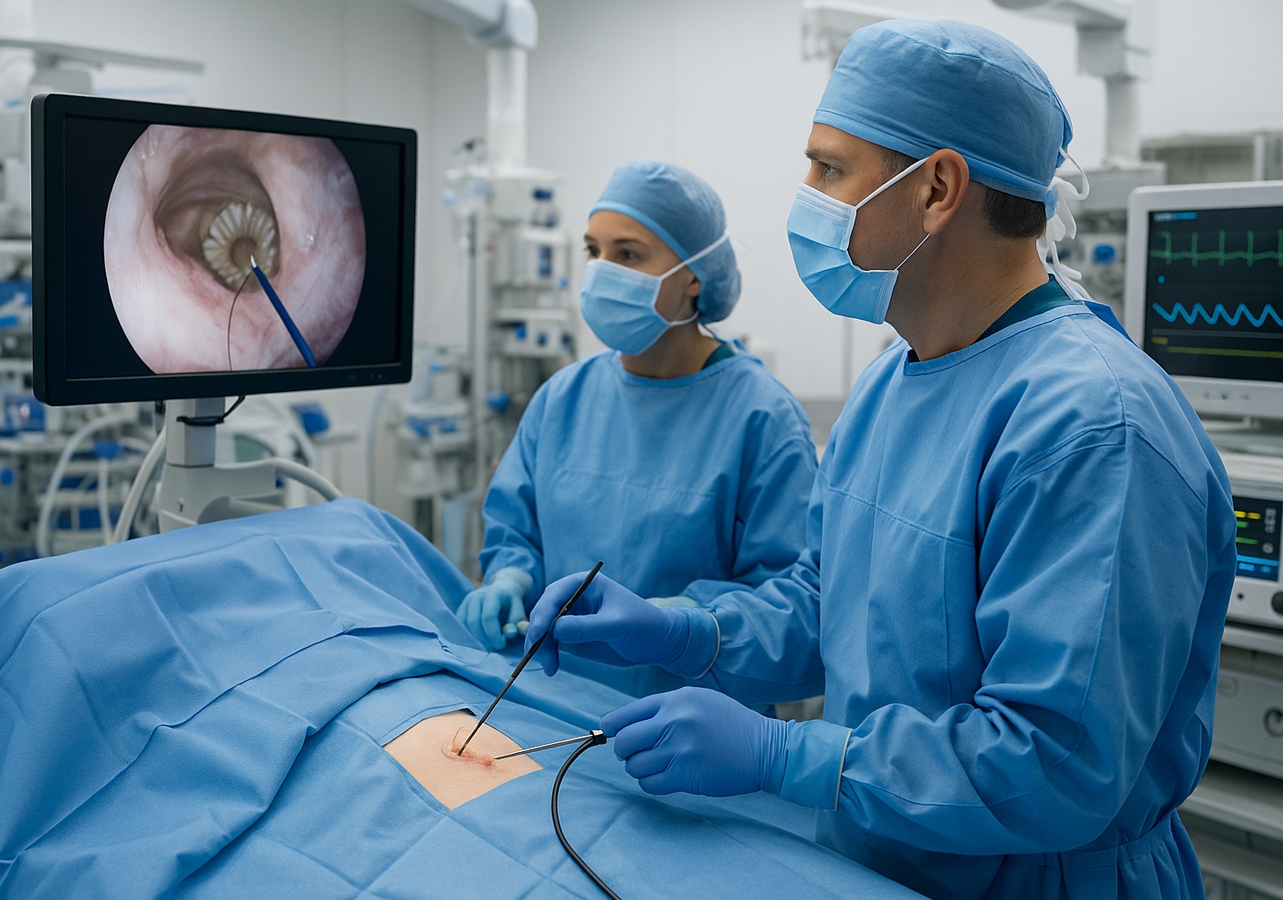
Unlike traditional open-heart surgery, which requires a large sternotomy (full breastbone opening), minimally invasive techniques use small incisions — often between the ribs or via partial sternotomy — to access the heart. Surgeons use specialized instruments and sometimes robotic or thoracoscopic assistance for precision.
At Burjeel, this advanced method allows treatment of various valve disorders while reducing trauma, pain, and recovery time.
Common heart conditions treated include:
- Aortic valve stenosis
- Mitral valve regurgitation or prolapse
- Tricuspid valve disorders
- Other congenital or acquired valve defects
Patients may receive a valve repair (preferred when possible) or a valve replacement (with mechanical or biological valves), depending on individual condition and surgeon recommendation.
How the Procedure Works at Burjeel
After initial evaluation — including echocardiograms, ECG, CT scans or cardiac catheterization — the surgical team chooses the best approach. Depending on the valve and condition:
- Mini-thoracotomy: A small incision on the side of the chest (common for mitral/tricuspid valves)
- Mini-sternotomy: Partial opening of the breastbone (common for aortic valve surgery)
- Robotic-assisted / video-assisted techniques: For greater precision and less tissue damage
- Transcatheter (catheter-based) procedures: In some cases, for valve replacement without surgery
Burjeel’s experienced cardiac surgeons and interventional cardiologists work together to plan and perform the most suitable procedure.
Benefits: Why Minimally Invasive Surgery Is Often Preferable
- Smaller incision → less visible scarring
- Reduced post-operative pain and faster mobilization
- Lower risk of infection
- Shorter hospital stay (often 3–5 days)
- Faster recovery — many patients return to normal activities within 4–6 weeks
- Equivalent long-term outcomes compared to open-heart surgery
For many eligible patients, minimally invasive valve surgery offers the best balance between effectiveness and comfort.
Who is a Good Candidate?
Minimally invasive surgery is not for everyone. Suitability depends on factors such as:
- Type and severity of valve disease
- Patient’s general health, age, and presence of other heart or medical conditions
- Anatomy of the heart and arteries, previous surgeries (if any)
- Diagnostic imaging results (ECHO, CT, angiography)
At Burjeel, the cardiology and cardiac surgery team conducts thorough pre-operative evaluation to recommend the best personalized treatment plan for each patient.
Symptoms Suggesting You Might Need Valve Treatment
Valve disease may develop slowly. Watch out for:
- Shortness of breath, especially during activity or when lying down
- Fatigue or decreased stamina
- Chest discomfort
- Palpitations or irregular heartbeat
- Swelling in legs, ankles, or abdomen
- Fainting spells, dizziness, or lightheadedness
If you notice one or more of these, an assessment by Burjeel’s cardiac team can determine whether valve repair or replacement — possibly via minimally invasive surgery — is needed.
Recovery and What to Expect
Most patients at Burjeel recover faster than with traditional surgery. Typical timeline:
- Hospital stay: ~3–5 days
- Return home: After discharge with follow-up care
- Full recovery / normal activity: 4–6 weeks (varies by patient)
Follow-up includes medications, regular checkups, echocardiograms, and sometimes cardiac rehabilitation. The goal is to save healing and restore quality of life.
Risks and Safety Considerations
As with any surgery, there are risks — but minimally invasive approaches tend to reduce them. Potential complications:
- Bleeding or infection
- Temporary arrhythmias
- Reaction to anesthesia
- Rarely: blood clots, stroke, or valve-related complications
At Burjeel, strict safety protocols, experienced surgeons, and advanced technology help minimize these risks.
Minimally Invasive vs Traditional Open-Heart Surgery
| Feature | Minimally Invasive Valve Surgery | Traditional Open-Heart Surgery |
| Incision size | Small (5–7 cm or less) | Full sternotomy (large opening) |
| Post-operative pain | Relatively low | Higher |
| Hospital stay | Short (3–5 days) | Longer (7–10 days) |
| Recovery time | Faster | Slower |
| Scarring | Minimal | Noticeable |
| Infection risk | Lower | Higher |
| Suitability | Selected by careful evaluation | Broader, but more traumatic |
For eligible patients, the less-invasive approach tends to deliver the same therapeutic benefit with greater comfort and quicker return to normal life.
Take the First Step — Consult Burjeel’s Cardiac Team
If you or someone you know is showing signs of heart valve disease — or you’ve already been diagnosed — don’t wait. Contact Burjeel Specialty Hospital, Sharjah for a detailed evaluation.
Our combined team of interventional cardiologists and cardiac surgeons will review your condition and recommend whether minimally invasive valve surgery is a safe and effective option for you.
- Call +971 800 55 to book a consultation
- Or visit our website to book an appointment online — select “Cardiology & Cardiovascular Surgery” for heart valve evaluation.
Final Thoughts
At Burjeel Specialty Hospital, Sharjah, we believe every patient deserves compassionate, cutting-edge cardiac care. Whether you’re acting on warning signs or exploring valve treatment options — our cardiology team is ready to support your heart health journey.
Let your heart lead a healthy life — with expert care, timely intervention, and peace of mind.