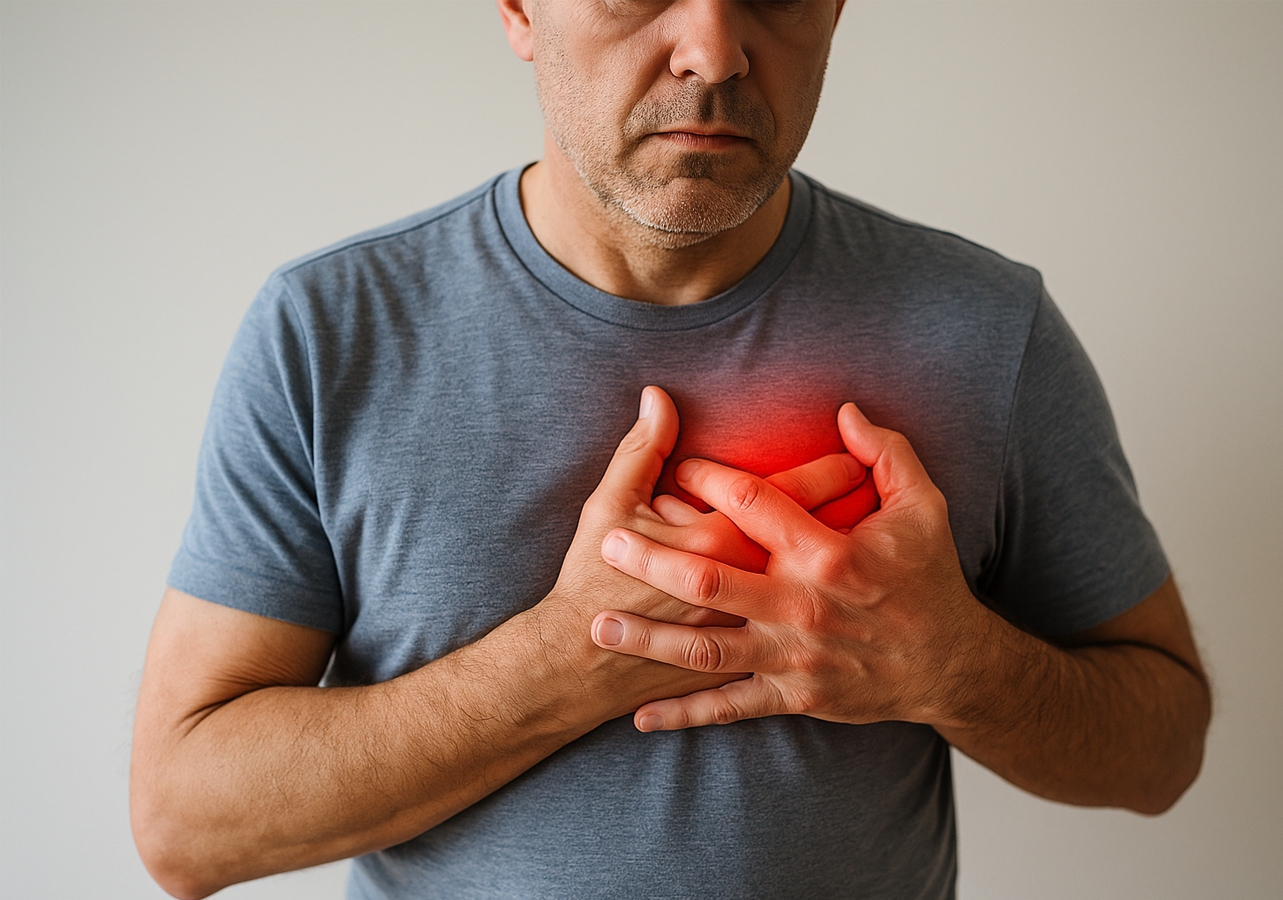
Heart disease remains one of the leading causes of health concerns around the world. While not every symptom means something serious, your heart often sends early warning signs when something isn’t right. Recognizing these signs and consulting a cardiologist early can make a life-saving difference.
This guide explains the top warning signs you should see a cardiologist right away, how they relate to heart health, and why timely diagnosis is essential for your overall well-being.
1) Chest Pain or Discomfort That Doesn’t Go Away
Chest pain is one of the most well-known signs of a heart problem. However, many people misunderstand its seriousness.
You should not ignore:
- Pressure or tightness in the chest
- Burning or squeezing sensation
- Pain that spreads to arms, neck, jaw, or back
- Pain that comes on with activity or stress
- Pain lasting more than a few minutes or recurring frequently
Chest discomfort could indicate coronary artery disease or even an early heart attack. Even if the pain comes and goes, a cardiologist can check for blocked arteries and prevent complications.
Important: Always seek emergency care for severe or sudden chest pain.
2) Shortness of Breath Without a Clear Reason
Feeling breathless after climbing stairs or exercising can be normal. But if you struggle to breathe without major physical effort, this could be a cardiac symptom.
Shortness of breath can be related to:
- Heart failure
- Valve disorders
- Weak heart muscle
- Low oxygen circulation due to heart issues
If breathing feels harder while lying down or if you wake up at night gasping for air, these are urgent signs that your heart may not pump blood efficiently.
A cardiologist can evaluate your heart and lung function to find the cause quickly.
3) Irregular Heartbeat or Frequent Palpitations
Your heart may occasionally beat faster due to stress, caffeine, or excitement. But a continuous irregular rhythm may indicate arrhythmia.
Symptoms to watch for:
- Fluttering or pounding feeling
- Skipping beats
- Very fast or very slow pulse
- Dizziness or fainting along with palpitations
Some arrhythmias are harmless, but others can increase the risk of:
- Stroke
- Heart failure
- Sudden cardiac events
Tests like ECG, Holter monitoring, and stress testing help cardiologists diagnose heartbeat problems early.
4) High Blood Pressure or Family History of Heart Disease
High blood pressure (hypertension) is often called the “silent killer” because it usually shows no symptoms until major damage occurs.
If you have:
- Persistent high readings above recommended levels
- Diabetes, high cholesterol, or obesity
- Family members with heart disease at a young age
…you should schedule a preventive cardiology consultation.
A cardiologist can provide:
- Risk assessment
- Medication if required
- Lifestyle strategies to protect your heart
Knowing your heart disease risk early gives you a better chance of preventing future complications.
5) Swelling in Ankles, Feet, or Abdomen
Fluid buildup in the body—called edema—can be a sign that the heart is struggling to circulate blood efficiently. When the heart weakens, blood pressure increases in the veins, causing fluid to leak into surrounding tissues.
Swelling may be accompanied by:
- Weight gain
- Heavy, tired legs
- Frequent urination at night
- Shortness of breath
This could indicate congestive heart failure or other serious cardiac concerns. Seeing a cardiologist early helps improve treatment outcomes and quality of life.
Additional Warning Symptoms to Take Seriously
If you notice any of the following, especially combined with the top five signs above, it’s best to consult a cardiologist:
- Extreme fatigue that limits daily activities
- Fainting or near-fainting episodes
- Persistent dizziness or confusion
- Bluish lips or fingertips indicating low oxygen
- Pain during physical activity
Any unexplained or recurring symptoms related to breathing, circulation, or heartbeat need professional evaluation.
Why Early Evaluation Matters
When detected early, heart disease can often be:
- Managed with lifestyle changes
- Treated with medications
- Corrected using minimally invasive procedures
A cardiologist will perform diagnostic tests such as:
- ECG (electrocardiogram)
- Echocardiogram
- Stress test
- Cardiac blood tests
- Coronary angiogram or angiography
Early diagnosis ensures:
- Better long-term heart health
- Lower hospitalization risks
- Improved quality of life
Remember: It’s always better to get checked and be safe than to ignore potential signs.
How to Protect Your Heart Health Every Day
Here are some simple steps to reduce heart risk:
- Maintain a healthy weight and regular exercise routine
- Quit smoking and limit alcohol
- Reduce salt, sugar, and processed foods
- Include heart-healthy foods like fruits, vegetables, nuts, and fish
- Manage stress through relaxation techniques
- Monitor blood pressure, cholesterol, and blood sugar regularly
Prevention is the strongest heart treatment.
When in Doubt, See a Cardiologist
Your heart is your body’s most vital organ — take every sign seriously. If you or a loved one experiences any of the warning signs listed above, scheduling a cardiology assessment can ensure timely care and peace of mind.
Why Early Evaluation at Burjeel Matters
- State-of-the-art diagnostics: ECG, echocardiogram, stress testing, Holter monitoring, and more.
- Experienced cardiologists and cardiac surgeons: Burjeel’s cardiac team handles everything from routine checkups to complex cases.
- Comprehensive care: From preventive cardiology to advanced interventions, patients get personalized treatment plans.
Take Charge of Your Heart Health — Book a Consultation
If you notice any of the warning signs above — or have concerns because of risk factors — don’t wait. Schedule an appointment with Burjeel’s Cardiology Department today. Early intervention can prevent major complications later.