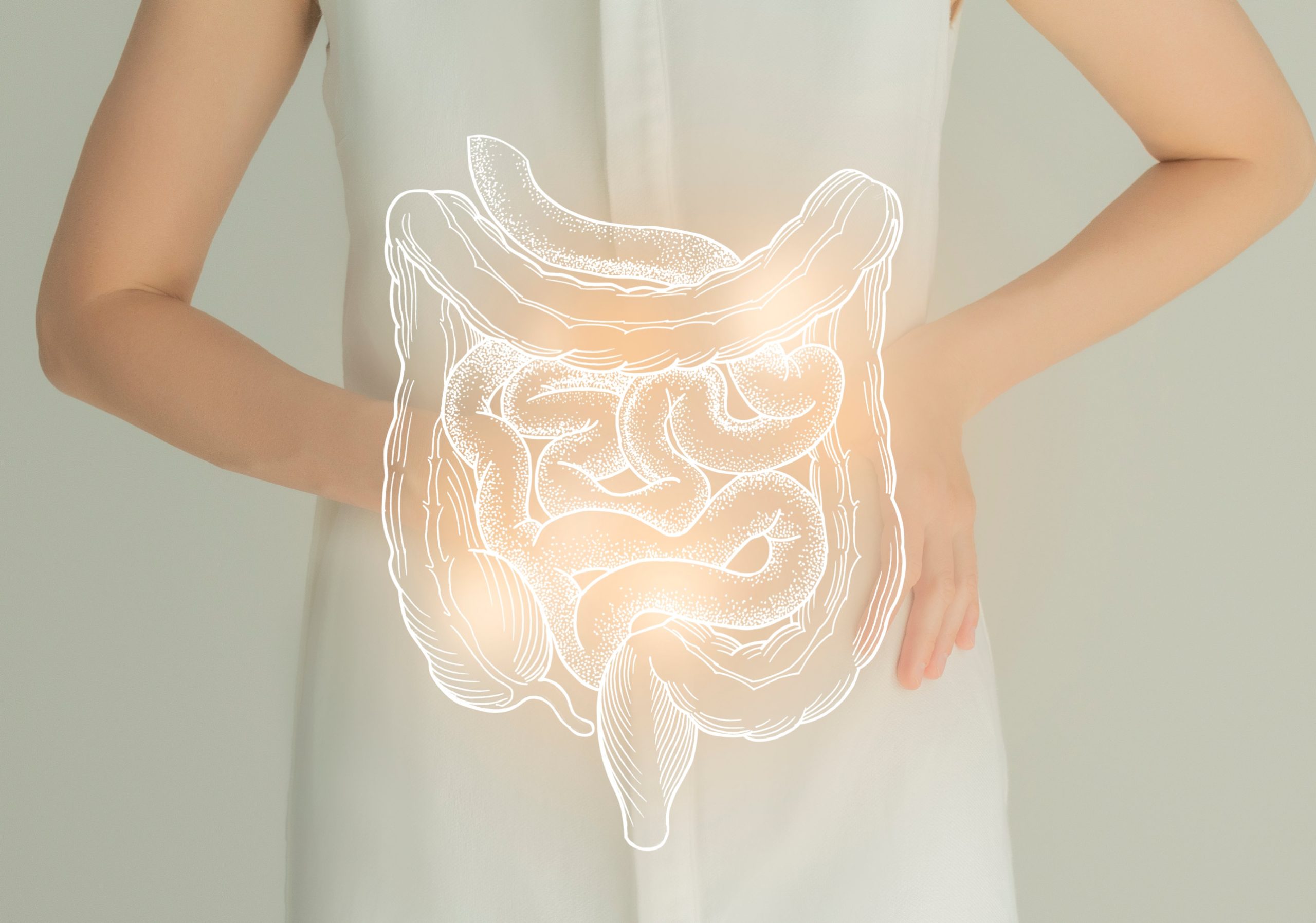
Colorectal cancer is among the most prevalent cancers globally, yet it is also one of the most preventable with the right lifestyle habits and early screening. Research shows that factors such as diet, physical activity, body weight, and daily routines can significantly influence the risk of developing colorectal cancer.
Understanding how to prevent colon cancer and adopting healthier habits can help lower the chances of developing this disease. From choosing the right foods to maintaining an active lifestyle, small changes can make a meaningful difference in long-term health.
Preventive measures combined with regular medical checkups can help detect potential issues early and support overall digestive health.
1. Follow a Colorectal Cancer Prevention Diet
Diets play a crucial role in maintaining colon health. A balanced colorectal cancer prevention diet can help reduce inflammation in the digestive system and support healthy gut function.
Foods that support colon health include:
- Fresh fruits and vegetables
- Whole grains such as oats, brown rice, and quinoa
- Legumes like lentils and beans
- Nuts and seeds
- Foods rich in fiber and antioxidants
Fiber-rich foods help promote regular bowel movements and may lower the risk of abnormal cell growth in the colon.
2. Reduce Processed and Red Meat Consumption
Studies suggest that consuming large amounts of processed or red meat may increase the risk of colorectal cancer.
Examples include:
- Bacon and sausages
- Processed deli meats
- High quantities of beef, lamb, or pork
Replacing these foods with healthier protein options such as fish, poultry, or plant-based proteins may help reduce colon cancer risk naturally.
3. Stay Physically Active
Regular physical activity supports overall health and plays an important role in how to prevent colon cancer.
Exercise helps:
- Improve digestion
- Maintain a healthy weight
- Reduce inflammation
- Support immune function
Activities such as walking, cycling, swimming, or light strength training for at least 30 minutes daily can significantly benefit digestive health.
4. Maintain a Healthy Body Weight
Excess body weight has been associated with an increased risk of colorectal cancer. Maintaining a healthy weight helps regulate hormones and reduce chronic inflammation that may contribute to cancer development.
Healthy weight management can be achieved through:
- Balanced nutrition
- Regular exercise
- Limiting sugary beverages and processed foods
- Maintaining consistent eating habits
These habits contribute to long-term digestive and metabolic health.
5. Limit Alcohol Consumption
Excessive alcohol consumption can increase the risk of colorectal cancer by damaging the cells lining the colon.
To help lower cancer risk:
- Limit alcohol intake
- Avoid excessive drinking
- Choose healthier beverage options when possible
Moderation is an important factor in reducing colon cancer risk naturally.
6. Avoid Smoking
Smoking is linked to several types of cancer, including colorectal cancer. Harmful chemicals in tobacco smoke can damage DNA and contribute to abnormal cell growth in the colon.
Quitting smoking can significantly improve overall health and lower the risk of many cancers.
Support from healthcare professionals can help individuals successfully quit smoking.
7. Get Regular Screening and Medical Checkups
One of the most effective strategies for preventing colorectal cancer is regular screening.
Screening tests such as colonoscopy can detect and remove precancerous polyps before they develop into cancer.
Most medical guidelines recommend starting colorectal cancer screening at age 45, or earlier for individuals with higher risk factors such as family history.
Early detection greatly improves treatment outcomes and survival rates.
Colorectal Cancer Care at Burjeel Specialty Hospital, Sharjah
Burjeel Specialty Hospital, Sharjah offers comprehensive colorectal cancer screening, prevention, and treatment services through its specialized Oncology Department.
A multidisciplinary team of experienced medical oncologists and surgical oncologists provides personalized care tailored to each patient’s condition.
Services include:
- Advanced colorectal cancer screening programs
- Diagnostic imaging and laboratory tests
- Minimally invasive surgical treatments
- Chemotherapy and targeted therapies
- Personalized treatment plans
This coordinated approach ensures patients receive accurate diagnosis, effective treatment, and continuous support throughout their care journey.
Conclusion
Adopting healthy lifestyle habits is one of the most effective ways to lower the risk of colorectal cancer. By understanding how to prevent colon cancer and following a balanced colorectal cancer prevention diet, individuals can take proactive steps toward protecting their digestive health.
Regular physical activity, maintaining a healthy weight, limiting alcohol consumption, and avoiding smoking can all help reduce colon cancer risk naturally.
Combined with routine screening and early medical consultation, these preventive measures can play a major role in reducing the impact of colorectal cancer.
Burjeel Specialty Hospital, Sharjah provides comprehensive colorectal cancer screening and treatment through its Oncology Department, supported by experienced gastroenterologists, medical oncologists and surgical oncologists who focus on early detection and personalized care.
Frequently Asked Questions (FAQs)
Yes. Research shows that healthy habits such as balanced nutrition, regular exercise, maintaining a healthy weight, and avoiding smoking can significantly reduce colorectal cancer risk.
Foods rich in fiber and antioxidants such as fruits, vegetables, whole grains, legumes, and nuts support digestive health and may reduce the risk of colorectal cancer.
Most medical guidelines recommend starting screening at age 45 for individuals at average risk.
Yes. Regular physical activity supports digestive health and helps maintain a healthy weight, which can reduce the risk of colorectal cancer.
Not all cases can be prevented, but many risk factors can be reduced through healthy lifestyle choices and regular screening.
Book a Consultation
If you would like to learn more about how to prevent colon cancer or discuss screening options, consult the specialists at Burjeel Specialty Hospital, Sharjah.
Experienced gastroenterologists, medical oncologists and surgical oncologists provide expert guidance, advanced screening services, and personalized treatment plans for colorectal cancer prevention and care.
Book your appointment today and take an important step toward protecting your long-term health.